

Moët Hennessy, Analog Devices and UC Davis Advance AI-Powered Chemical Detection Technology for Wine Production
Moët Hennessy, the wine and spirits division of LVMH, Analog Devices, Inc. (ADI), a global semiconductor leader, and the University of California, Davis (UC Davis), a world-renowned research university, have announced a groundbreaking collaboration to advance wine production through innovative chemical signature detection technology powered by artificial intelligence (AI). The joint initiative aims to improve wine quality, strengthen vineyard resilience and provide viticulture and winemaking professionals with earlier insights into biological processes that influence grapes and wine.
The collaboration builds on breakthrough technology originating from early research conducted at the Massachusetts Institute of Technology (MIT). Analog Devices continues to develop this technology platform to analyze chemical signatures across a broad range of applications. Through the partnership, ADI, Moët Hennessy and UC Davis are exploring how the technology can be applied to viticulture and winemaking, creating new opportunities to identify potential quality risks before they become visible through conventional assessment methods.
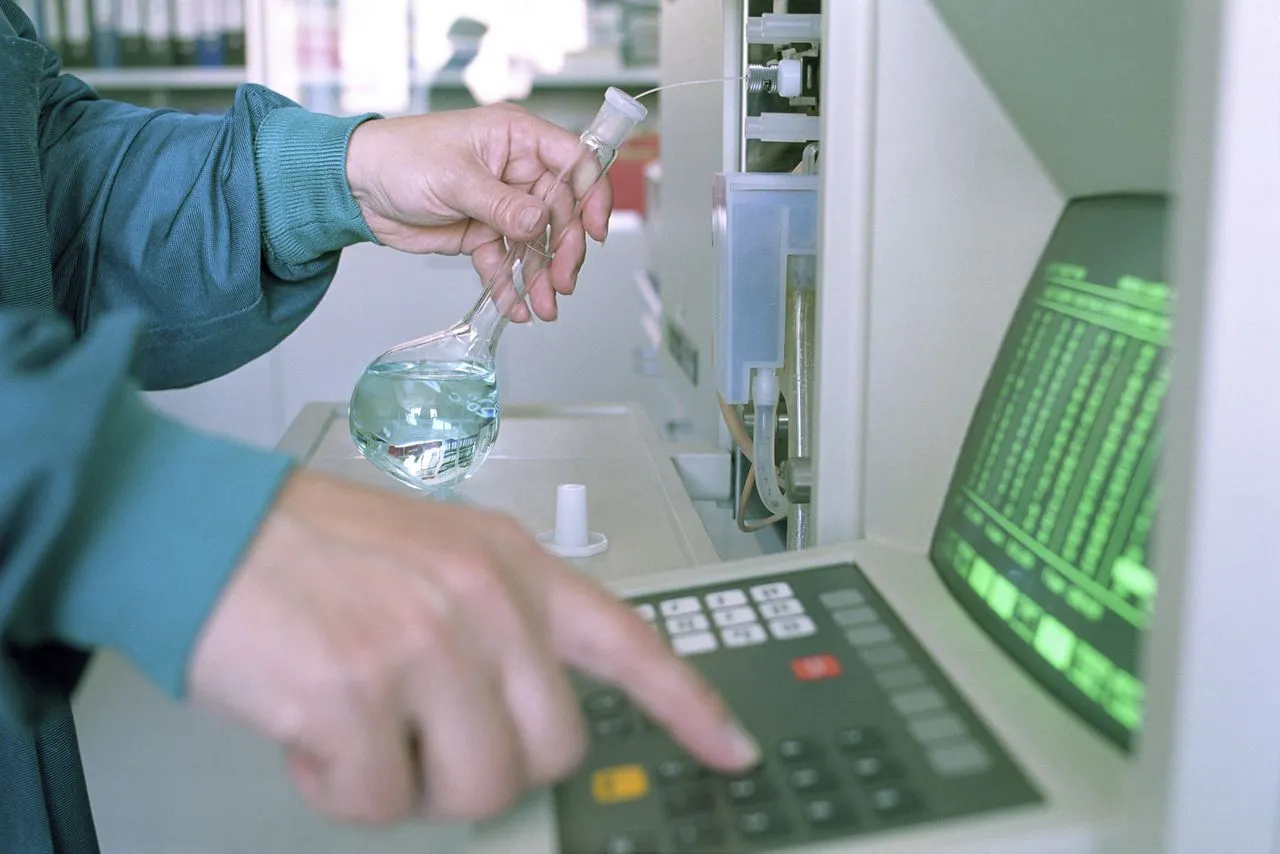
The technology is designed to detect and interpret volatile chemical signatures emitted by grapevines, grape juice and wine. By analyzing these chemical signals, researchers aim to better understand biological processes and identify changes that may affect grape development, wine quality and vineyard health. The initiative combines advanced sensing technology, machine learning and scientific expertise to help winemakers make more informed decisions while preserving the craftsmanship and experience that define premium wine production.
Breakthrough Technology Targets Fresh Mushroom Aroma in Wine
One of the collaboration’s first major achievements focuses on Fresh Mushroom Aroma (FMA), a complex quality challenge for the wine industry. Detecting and managing this characteristic before it develops into a noticeable issue could provide wine producers with a valuable opportunity to protect product quality and consistency.
Researchers at Moët Hennessy’s Robert-Jean de Vogüé Research Center have developed a unique library of samples and associated data to support the initiative. This collection is being used to train machine learning algorithms to recognize chemical signatures associated with Fresh Mushroom Aroma. By identifying these patterns, the technology aims to help researchers recognize potential quality risks earlier in the production process.
The approach represents a shift toward predictive quality management. Rather than relying exclusively on conventional methods or waiting until a quality issue becomes apparent, winemakers could gain access to information that helps them anticipate potential problems and take appropriate action sooner.
The system’s ability to interpret chemical signatures could also deepen understanding of the factors that influence aroma development in grapes and wine. Combining analytical data with machine learning may help researchers identify patterns that are difficult to recognize through traditional assessment alone.
The initial focus on Fresh Mushroom Aroma establishes a practical application for the technology while demonstrating its potential to address other challenges in viticulture and winemaking.
Scalable Platform Could Support Vineyard Health and Climate Resilience
Beyond Fresh Mushroom Aroma, the organizations see the technology as a scalable platform for analyzing living systems. Its broader potential extends to applications in which biological processes produce measurable chemical signatures that can be interpreted and used to guide decisions.
Among the additional applications under investigation are the early detection of vine diseases, soil assessment and identification of other wine quality defects. The research also considers challenges associated with climate change and related environmental events, including wildfires, which can affect vineyard conditions and grape characteristics.
Early identification of vine diseases could help viticulturists recognize potential problems sooner and assess when further investigation or intervention may be necessary. Similarly, chemical signature analysis could contribute to a better understanding of soil conditions and their relationship with vine health and grape development.
Environmental events can introduce additional complexity into grape growing and winemaking. By investigating chemical signals associated with these conditions, the partners hope to develop tools that help producers understand potential risks and respond with better-informed decisions.
These applications remain part of the broader research effort. The long-term objective is to expand the technology’s usefulness across multiple stages of grape growing and wine production, supporting improved quality control and greater resilience throughout the industry.
AI Technology Designed to Support Human Expertise
The partners emphasize that the technology is intended to complement, rather than replace, the knowledge and judgment of viticulturists, researchers and winemakers. Wine production relies on specialized expertise, accumulated experience and careful decision-making. The new platform is designed to provide additional information and context that can strengthen those capabilities.
By delivering earlier insights into chemical changes and potential quality risks, the system could help professionals evaluate conditions more effectively and determine when further analysis or action is appropriate. It is intended to serve as a decision-support tool, giving experts access to information that may not be readily available through conventional observation.
The combination of sensing technology and AI could also help researchers interpret complex chemical information more systematically. As reference libraries and analytical models develop, the platform may support a deeper understanding of relationships between biological processes, environmental conditions and wine characteristics.
This approach seeks to preserve the human expertise central to exceptional winemaking while introducing new analytical capabilities that may improve consistency, quality management and long-term vineyard sustainability.
International Partnership Combines Semiconductor Technology, AI and Wine Science
The collaboration brings together three organizations with complementary capabilities.
Moët Hennessy contributes its expertise as a global leader in premium and super-premium wines and spirits, along with its research capabilities and knowledge of winemaking quality requirements. Its Robert-Jean de Vogüé Research Center plays an important role in developing the sample library and associated data supporting the Fresh Mushroom Aroma research.
Analog Devices contributes semiconductor technology and expertise in connecting the physical and digital worlds through innovations at the Intelligent Edge. Its ADI Health Solutions business unit focuses on developing AI-driven solutions that contribute to the health of people and the planet. Within this collaboration, ADI is advancing the chemical signature detection platform and exploring its potential for applications involving living systems.
The University of California, Davis, adds internationally recognized expertise in viticulture and enology. Its research capabilities and scientific knowledge support the development of methods to understand grape and wine chemistry and translate new analytical findings into practical applications for the sector.
Together, the organizations aim to improve the ability to observe, understand and interpret the complex chemical composition of grapes and wine. By combining technological innovation with applied research and industry experience, the partners hope to create tools that support quality and resilience across wine production.
Partners Explore Broader Industry Benefits
The collaboration could also have implications beyond the participating organizations. Analog Devices intends to make the technology broadly available for future industrial applications, while Moët Hennessy and UC Davis are exploring how shared reference libraries could benefit the wider grape and wine industry.
Reference libraries are important to chemical signature analysis because they provide samples and associated information that can help analytical systems recognize meaningful patterns. Expanding access to relevant reference data could support further research and help establish new applications for the technology.
The potential to use a common analytical platform across different challenges may also create opportunities to investigate other biological and environmental processes. However, additional research will be needed to determine how the technology can be applied across different vineyards, grape varieties, production conditions and quality challenges.
Leadership Highlights the Future of Precision Winemaking
Manuel Reman, member of the Moët Hennessy Executive Committee overseeing research and development and a member of the Comité Champagne, described the initiative as an important step forward for the wine industry.
“This breakthrough marks the beginning of a new chapter for viticulture and winemaking. We can rapidly detect and interpret the chemical language of grapes and wine to anticipate quality risks before they become visible. Beyond a technological achievement, this opens an entirely new way of understanding and working, one that will help us produce exceptional wines while building greater resilience for the future,” Reman said.
Max Shulaker, chief of ADI’s Health Solutions business unit, highlighted the combination of AI-enabled sensing systems and viticulture expertise as a central strength of the partnership.
“This collaboration unites world-class expertise in cutting-edge AI-enabled sensing systems and viticulture to accomplish something previously impossible: reading the chemical language that living systems emit themselves. By recognizing these signatures before conventional methods can, this technology can help winemakers shift from reacting to quality risks to anticipating them. Our first breakthrough addresses Fresh Mushroom Aroma, but it marks the beginning of a much broader platform for understanding living systems, one that can improve quality and resilience in ways that are just now being explored and unlocked,” Shulaker said.
Ben Montpetit, Ph.D., of UC Davis, emphasized the importance of connecting scientific knowledge with practical expertise across the grape and wine sectors.
“In the face of major global challenges, the continued advancement and resilience of the grape and wine sectors will depend on two things: better knowledge and people equipped to put that knowledge into practice. What is especially powerful about this collaboration is that we are advancing both. We are developing technology that can give viticulturists and winemakers the right information at the right time to make informed decisions, while also training the next generation of experts who will know how to interpret and act on those insights,” Montpetit said.
Advancing Wine Quality Through Chemical Intelligence
The partnership between Moët Hennessy, Analog Devices and UC Davis demonstrates how semiconductor innovation, AI and life sciences research can be combined to address complex challenges in wine production. By focusing initially on Fresh Mushroom Aroma and exploring applications such as vine disease detection, soil assessment and climate-related quality risks, the collaboration aims to expand the industry’s ability to identify and interpret chemical changes earlier.
As research continues, the technology could help wine producers make better-informed decisions, improve quality management and strengthen vineyard resilience. The initiative also highlights the potential for advanced chemical sensing to support other industries in which understanding biological processes and their chemical signatures can provide valuable insights.
Through this international effort, the partners are working toward a future in which earlier detection and more detailed chemical analysis complement the experience of growers and winemakers, helping preserve wine quality while supporting the long-term vitality of the grape and wine industry.