

Faraday Future and FFR Launch FF Nova Humanoid Robot for $2,490, Introduce Nova Mini Education Robot and Expand Physical AI Developer Ecosystem
Faraday Future Intelligent Electric Inc. (NASDAQ: FFAI), a California-based global Embodied AI (EAI) ecosystem company, and FF EAI Robotics Ecosystem Inc. (NASDAQ: FFR) have jointly announced the launch of two new humanoid robots as part of their “One Brain, Multi-Forms, Multi-Capabilities” strategy for FF Robot World 2.0. The new products include FF Nova, an entry-level embodied AI humanoid robot priced at $2,490, and FF Nova Mini, a compact humanoid robot designed to introduce children and teenagers to Physical AI education.
Alongside the hardware launches, the companies introduced the “Physical AI Spark Program Curriculum,” a new educational offering intended to support hands-on robotics learning, and the FF Nova Physical AI Reinforcement Learning Developer Program. They also opened a limited, invitation-only recruitment program for the Nova Developer Community to encourage collaboration among developers, educators, researchers, and technology enthusiasts.
The initiatives are designed to expand access to embodied AI technology through affordable robotics products, educational programs, developer tools, and opportunities to create real-world AI applications.
FF Nova Brings Humanoid Robotics and Physical AI Development to a Wider Audience
FF Nova is positioned as an entry-level EAI humanoid robot and a portable Physical AI development laboratory for developers and educational institutions. Priced at $2,490, the robot combines reinforcement learning, autonomous intelligence, model-driven capabilities, a native developer platform, and a Skills Store in a single humanoid system.
The accompanying Developer Skills Package is priced at $390. The platform is intended for independent developers, universities, research laboratories, technology enthusiasts, and educational organizations exploring robotics and embodied intelligence.
FF Nova incorporates an edge-computing platform and a multimodal sensor system that includes LiDAR, wide-angle vision, depth sensing, and a circular microphone array. These components are designed to support environmental perception, movement, navigation, and interaction with people and surrounding objects.
The robot features 20 degrees of freedom across its body and supports several bipedal movements, including walking, turning, waving, and recovering after being knocked over. It offers two movement configurations: walking on two legs for direct interaction and using a detachable base for autonomous navigation.
Nova can connect to a large voice AI model to support natural conversations and voiceprint recognition. It also supports AI agent integration, allowing cloud-based intelligent agents to interact with the physical world through a robotic platform.
For developers, the system includes an open software development kit (SDK), a ROS 2 development workflow, and over-the-air software updates. The company plans to connect Nova with a Sim2Real reinforcement learning pipeline, allowing skills developed in simulated environments to be tested and refined on physical hardware.
A planned Skills Store and developer community will enable developers to share and reuse capabilities, with potential opportunities to distribute and monetize their creations in the future.
Three-Phase Rollout Begins With an Invitation-Only Release
FF Nova will enter the market through a three-phase launch strategy designed to prioritize developers and educational institutions before expanding to consumers.
The first phase is limited to 100 units, with the first 20 units scheduled for immediate delivery. Interested applicants can submit applications through the FF Developer Platform at developer.ff.com. Applications will be reviewed on a rolling basis, and approved applicants will be eligible to place orders.
The initial program targets universities, research laboratories, educational institutions, independent developers, and education innovators. Applications are subject to the company’s stated seven-day application window, after which invitation results will be announced.
Pioneer Edition participants are expected to receive priority delivery, early access to the SDK and developer documentation, sample projects, official technical support, and opportunities to collaborate with the broader developer ecosystem. Selected developer-created Skills may also be considered for inclusion in the FF Skills ecosystem.
The second phase will expand access to developers and educational institutions, with early development results and practical applications expected to demonstrate the platform’s capabilities. The third phase will introduce the robot to the broader consumer market.
FF Nova Mini Targets Physical AI Education for Children and Teenagers
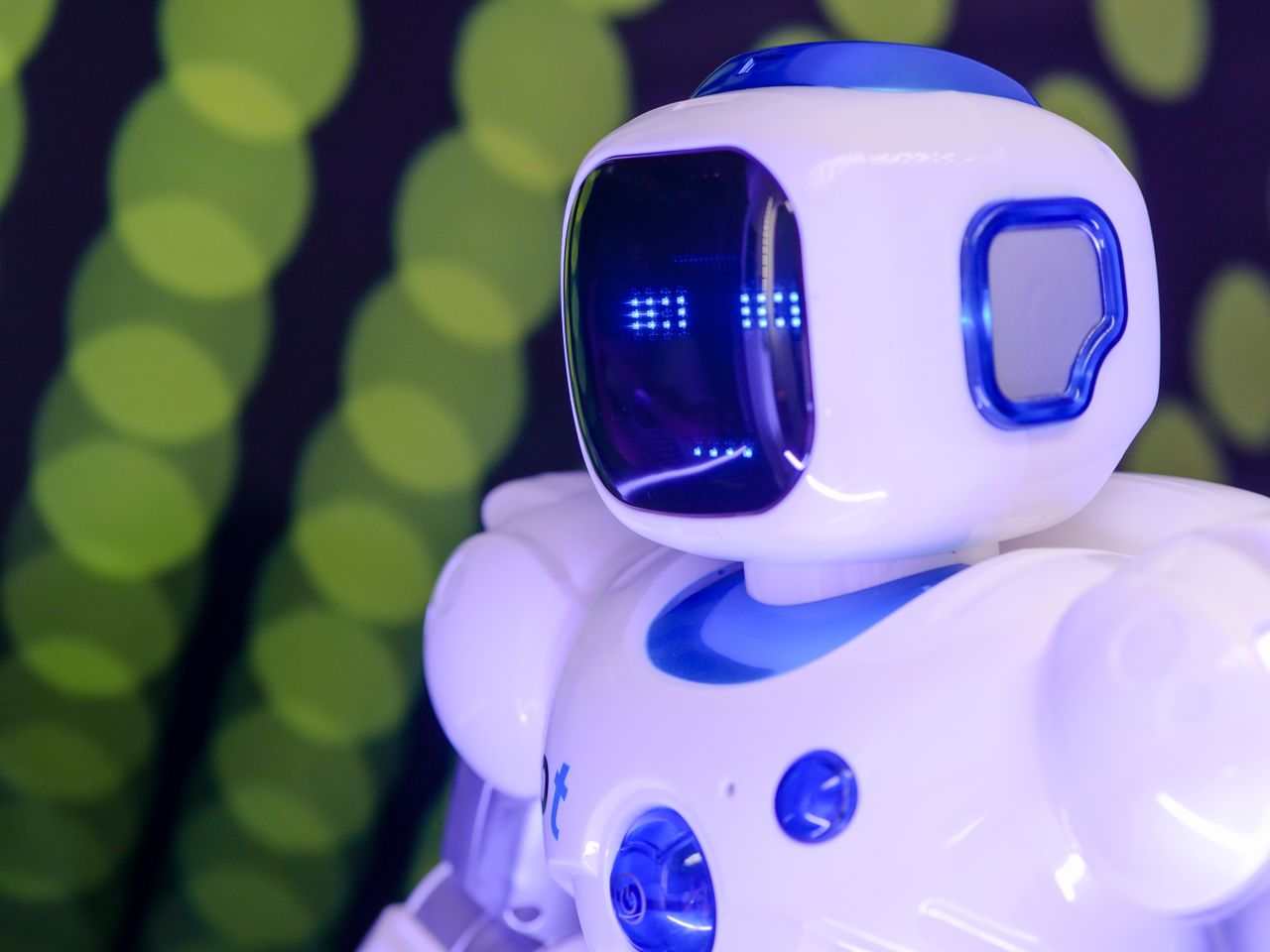
The companies have also introduced FF Nova Mini, a compact bipedal humanoid robot designed to provide an accessible starting point for Physical AI education. The device is priced at $299, while its accompanying curriculum costs $499.
The platform combines a programmable robot with introductory courses and educational resources, helping students explore robotics, programming, motion control, and embodied AI through practical activities.
Weighing less than one kilogram, Nova Mini features an aluminum-alloy frame intended to make it easy to transport and use in classrooms, after-school programs, and home-learning environments.
The robot supports bipedal walking, turning, independent standing, dynamic balance, and forward-roll movements. It also offers visual block-based programming and teaching-by-demonstration capabilities, allowing students to experiment with robot behavior and learn basic programming concepts.
Designed for children and teenagers aged eight and above, Nova Mini is intended for K–12 classrooms, STEM programs, and individual learners. Its educational pathway progresses from voice commands and basic robot movements to block-based programming, artificial intelligence concepts, and motion control.
The broader educational offering is expected to include lesson plans, experiment manuals, classroom kits, and teacher training. FFR also plans to collaborate with Montessori organizations, early childhood education providers, and elementary schools to develop teaching kits, activity cards, and observation and assessment tools.
These initiatives aim to establish a foundational Physical AI education model that educational institutions can adopt and adapt to different learning environments.
Physical AI Spark Program Expands the Robotics Education Ecosystem
FFAI and FFR have jointly launched the FF EAI Education Skills product, known as the “Physical AI Spark Program Curriculum,” to expand their robotics education ecosystem.
The program combines four categories of educational and technical resources: curriculum, cloud services, computing power, and developer platforms and tools. The approach is intended to connect AI-based understanding and decision-making with practical capabilities that students can learn, apply, and develop through hands-on activities.
The offering supports Physical AI learning for educational institutions and families across different age groups and proficiency levels.
The FF Nova Mini Physical AI Foundations Curriculum is priced at $499 and includes 16 live small-group classes delivered over two months. The program emphasizes practical creation, with each lesson introducing a new robot capability or project. Students are expected to build a portfolio of Physical AI projects as they progress through the curriculum.
Customers purchasing the course will also receive an exclusive cash voucher toward the purchase of the $299 Nova Mini device. The voucher amount and applicable conditions will be determined by the company’s official sales policy.
By combining educational content, programmable hardware, and structured learning activities, the companies aim to make Physical AI more accessible to students and educators.
Reinforcement Learning Developer Program Opens Opportunities for Innovation
FFAI and FFR are introducing the Physical AI Reinforcement Learning Developer Program to help developers train robotic skills and move experimental concepts from simulation into physical environments.
The program provides support based on the NVIDIA Isaac platform and is designed to connect simulation training with testing and validation on physical hardware.
Developers can conduct parallel training in simulated environments, adjust reward functions, apply domain randomization, and deploy trained policies to FF Nova for real-world validation and optimization.
The planned workflow includes simulation training, data replay, reward-function configuration, and model evaluation. These capabilities are intended to help developers refine robotic behavior and develop applications that can operate beyond simulated environments.
The companies have also opened limited, invitation-only recruitment for the Nova Developer Community. Applicants can request an invitation through developer.ff.com or receive one from an existing developer.
The community welcomes AI algorithm engineers, robotics developers, educators, maker enthusiasts, and enterprise partners with innovative application ideas. Selected participants may receive access to development tools, technical documentation, training courses, platform capabilities, and technical support.
Additional opportunities may include developer challenges, hackathons, innovation project incubation, and commercial partnerships. Outstanding projects could qualify for support through the Developer Support Program, helping connect software innovation with product sales and broader ecosystem growth.
Robotics Products Expand Through Online and Offline Sales Channels
FFAI and FFR are expanding distribution for their robotics portfolio through online platforms and direct sales channels. Products are expected to be available through FF.com, FF Mall, and the company’s official Amazon store, with purchasing options varying by product and sales policy.
The companies have also launched FF Education Season, featuring Physical AI products, educational courses, and learning packages. Meanwhile, Robot World 2.0’s first year-end shopping season is underway, with limited-time offers planned through the companies’ online channels.
Offline, the direct sales team and business partners intend to serve schools, school districts, universities, research laboratories, vocational education providers, STEM training organizations, businesses, and individual consumers.
Services may include product demonstrations, hands-on experiences, education solutions, pilot programs, and institutional purchasing support. The combined online and offline strategy is designed to expand access to Physical AI products across education, research, and commercial markets.
FFAI and FFR Sign Definitive Agreements for Robotics Business Transaction
On October 12, 2026, FFAI and FFR signed definitive agreements for FFR to acquire FFAI’s robotics assets and business through an all-stock transaction.
The agreement values FFAI’s robotics business at approximately $200 million and FFR at approximately $60 million on a fully diluted basis. FFR will issue shares to FFAI at $2.246 per share, representing a premium of approximately 50% to FFR’s closing share price of $1.50 on the signing date.
Following the transaction’s closing, FFR aims to establish itself as a leading U.S.-listed pure-play company focused on the “Four-Core Full-Stack AI” humanoid and bionic EAI robotics ecosystem. The company has also outlined a goal of maintaining a top-three overall position in the EAI robotics industry over the next five years.
FFR plans to build on synergies between its existing RoboShare business and its robotics operations, including sales, leasing, deployment, and recurring services.
The company has secured up to $10 million in its first private investment in public equity (PIPE) financing round. The financing is described as being priced at market without a discount or warrants, with relatively low associated costs and a structure intended to limit unnecessary equity dilution.
Upon closing, FFAI is expected to own approximately 65.7% of FFR on an as-converted, fully diluted basis. Management and employees are expected to hold approximately 18.2%, PIPE investors approximately 5.5%, and other FFR shareholders approximately 10.7%.
The transaction is expected to provide potential benefits through a simplified capital structure, improved financial visibility, and closer integration of the robotics businesses. These anticipated outcomes remain subject to the transaction’s closing and applicable conditions.
Engineering Symposium Supports Collaboration Across AI and Robotics
FFAI and the American Institute of Aeronautics and Astronautics (AIAA) jointly hosted an engineering and frontier-technology symposium at FFAI headquarters.
More than 50 scholars and professors from leading universities, along with members of the AI community, were invited to discuss data insights, data mining, and other emerging technology topics.
Participants experienced the FF EAI Robotics Education Ecosystem and the company’s “Four-Core Full-Stack AI” ecosystem and products, including the EAI Data Factory. Discussions also covered opportunities to join the FFR Developer Platform and contribute to the development of the broader robotics ecosystem.
The symposium provided a forum for academic and technology professionals to explore potential collaboration in robotics research, AI education, data technologies, and practical applications.
Management Highlights the Company’s Physical AI Strategy
YT Jia, Founder and Global CEO of Faraday Future, described FF Nova as an important step toward lowering the barriers to adopting EAI humanoid robots.
The company’s strategy combines entry-level robots, research and development platforms, educational products, and developer tools intended for use in homes, classrooms, laboratories, and commercial environments.
Through its latest product launches, curriculum initiatives, and developer programs, FFAI and FFR aim to expand participation in Physical AI while creating opportunities for developers, researchers, educators, and learners to contribute to the industry’s development.
The companies plan to continue building their robotics portfolio and supporting ecosystem as they pursue opportunities in the emerging Physical AI market.
Source Link:https://www.businesswire.com/