
Kyocera to Build New Refining Facility in Japan to Recycle Tungsten Carbide From Used Cutting Tools
Kyocera Corporation, led by Shiro Sakushima, has announced plans to construct a new refining facility at one of its plants in Japan to recover tungsten carbide from used cutting tools. The project is designed to strengthen the company’s resource recycling capabilities, support a stable supply of critical minerals, and reduce reliance on imported raw materials. The facility is scheduled to begin operations in fiscal 2030.
The initiative has received certification from Japan’s Ministry of Economy, Trade and Industry (METI) under the “Plan for Securing a Stable Supply of Critical Minerals” program, identified as 2026 Critical Minerals No. 5-1. This recognition highlights the strategic importance of recovering tungsten from used industrial tools and improving the availability of materials essential to manufacturing.
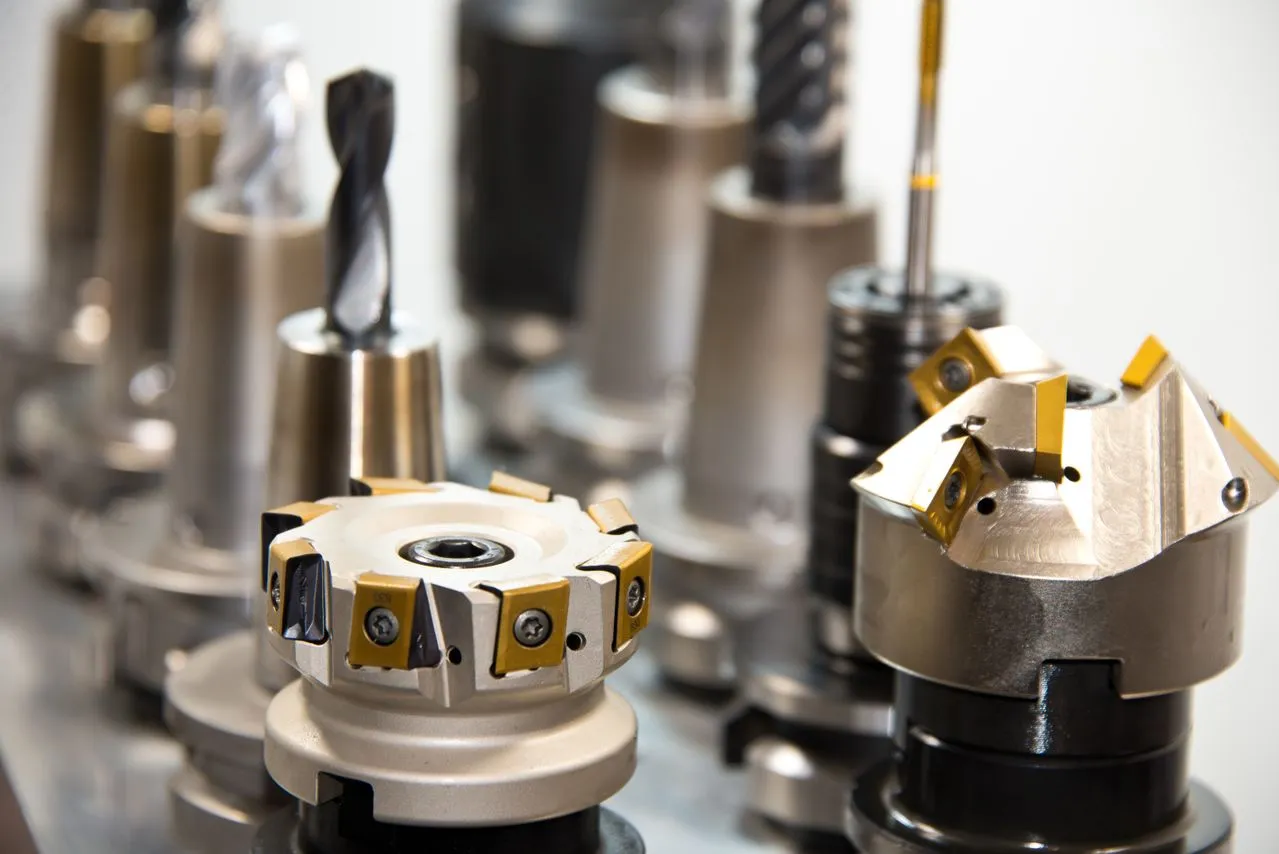
Tungsten carbide is the primary raw material used in cemented carbide, a material widely applied in cutting tools because of its hardness, wear resistance, and suitability for demanding machining operations. These tools are essential across multiple industries, including automotive manufacturing, aerospace production, semiconductor fabrication, and electronic component manufacturing.
By establishing a dedicated refining facility, Kyocera aims to recover valuable tungsten carbide from used cutting tools and return the material to the resource supply chain. The project forms part of the company’s broader efforts to improve resource efficiency, strengthen supply chain resilience, and promote a more sustainable manufacturing industry.
Tungsten Identified as a Critical Mineral for Manufacturing
Tungsten plays an important role in modern industrial production because of its physical properties and its use in high-performance materials. As a key raw material for cemented carbide cutting tools, tungsten supports machining operations used to manufacture components for automobiles, aircraft, industrial machinery, and numerous other products.
The material also has applications in semiconductors and electronic components, further increasing its importance across advanced manufacturing sectors. As demand for industrial equipment, transportation technologies, and electronic products evolves, maintaining access to tungsten remains an important consideration for manufacturers.
Japan depends heavily on imports to meet much of its tungsten consumption. This reliance creates potential supply challenges when international markets experience disruptions, increased demand, or other constraints affecting the availability of critical minerals.
A stable supply of tungsten is particularly important for industries that rely on precision cutting tools to maintain production quality and efficiency. Any disruption in the availability of key raw materials can create challenges for manufacturers seeking to maintain consistent operations and meet customer requirements.
Kyocera’s new refining facility is intended to address part of this challenge by recovering tungsten carbide from used cutting tools. Instead of treating these tools solely as waste after their useful service life, the company plans to recover the valuable material they contain and make it available for further use.
The project supports efforts to diversify material supply sources and improve the circulation of critical resources within the manufacturing ecosystem. By recovering tungsten from existing products, Kyocera aims to help reduce dependence on newly sourced raw materials while contributing to Japan’s broader critical-mineral supply security objectives.
Proprietary Amino Acid-Based Refining Technology
A central element of the project is Kyocera’s proprietary “Amino Acid-Based Streamlined Process,” a refining technology that uses naturally derived amino acids to recover tungsten carbide from used cutting tools.
According to the company, the process reduces the number of steps required for refining, enabling more efficient material recovery. By streamlining the process, Kyocera aims to improve the efficiency of recycling tungsten carbide while reducing the environmental impact associated with the refining operation.
The technology represents an important component of the company’s approach to circular resource use. Cutting tools contain valuable materials that can potentially be recovered after their initial application. Developing efficient recovery processes allows manufacturers to make better use of these materials rather than relying exclusively on newly extracted resources.
The use of naturally derived amino acids is a distinguishing feature of Kyocera’s proprietary process. The company intends to apply this technology at the new facility to recover tungsten carbide from collected used cutting tools.
Efficient recovery is particularly important for industrial materials that are essential to manufacturing but can face supply constraints. By simplifying refining operations, the process is designed to support the practical recovery of tungsten carbide and contribute to a more resource-efficient production system.
The planned facility will provide dedicated infrastructure for implementing the refining process at an industrial scale. Its development will connect Kyocera’s cutting-tool operations with material recovery activities, helping establish a more circular approach to the use of tungsten-containing resources.
New Facility to Strengthen Resource Circulation
The planned refining facility builds on Kyocera’s existing efforts to extend cutting-tool service life and reduce material waste. The company has been working to improve tool longevity, promote reuse through regrinding, and collect used cutting tools for further resource utilization.
Regrinding allows eligible cutting tools to be reused after their cutting performance has declined, helping extend their useful life. However, tools eventually reach a stage when continued reuse is no longer practical. Recovering tungsten carbide from these used tools provides another opportunity to retain valuable materials within the industrial supply chain.
Kyocera’s new facility is intended to strengthen this approach by adding a dedicated recovery stage to its resource management activities. Through the combination of longer tool life, reuse, collection, and refining, the company aims to maximize the value obtained from cutting tools throughout their lifecycle.
This approach supports the principles of a circular economy, in which materials are kept in productive use for as long as possible and recovered for future applications when products reach the end of their useful lives.
For industrial manufacturers, improved material recovery can also help reduce exposure to fluctuations in the availability of virgin raw materials. Establishing more effective recycling systems may provide an additional source of critical resources while reducing the volume of material discarded after industrial use.
Kyocera’s project therefore links cutting-tool manufacturing with resource recovery and supply chain management. The facility is expected to play a role in strengthening the company’s ability to reclaim tungsten carbide and support a more sustainable material cycle.
Government Certification Supports Critical Mineral Supply Security
The Ministry of Economy, Trade and Industry’s certification of the initiative under the “Plan for Securing a Stable Supply of Critical Minerals” program underscores the importance of the project within Japan’s critical-mineral strategy.
Critical minerals are essential to numerous industrial and technological applications, but their supply can be vulnerable to geographic concentration, international market conditions, and disruptions in the global supply chain. Improving the recovery and reuse of these materials can help expand the range of available supply sources.
By certifying Kyocera’s initiative, METI has recognized the project under its designated critical-mineral supply program. The certification provides a policy context for the company’s investment in tungsten carbide recovery and reflects the importance of developing more resilient material supply systems.
The new facility is intended to contribute to this objective by enabling tungsten recovery from used cutting tools. Rather than relying exclusively on imported resources, Kyocera aims to recover material already present in products used by industry.
This strategy may help strengthen domestic resource circulation while supporting manufacturing sectors that depend on tungsten-based cutting tools and other critical-mineral applications.
Operations Planned for Fiscal 2030
Kyocera plans to construct the refining facility at one of its existing plants in Japan, with operations scheduled to begin in fiscal 2030. The facility will focus on recovering tungsten carbide from used cutting tools using the company’s proprietary Amino Acid-Based Streamlined Process.
The investment represents a further step in Kyocera’s efforts to integrate resource recovery into its cutting-tool business. By developing dedicated refining capabilities, the company intends to strengthen the connection between used-tool collection and the reuse of valuable industrial materials.
The project also reflects a broader manufacturing challenge: ensuring that essential materials remain available while reducing the environmental impact associated with industrial production. As manufacturers seek more resilient supply chains and improved resource efficiency, technologies that recover critical materials from existing products are becoming increasingly relevant.
Through the new facility, Kyocera aims to secure a more stable supply of tungsten, strengthen supply chain resilience, and contribute to a sustainable, resource-circulating society. The project combines proprietary refining technology, industrial recycling, and critical-mineral supply planning to support more efficient use of materials across the manufacturing sector.
With operations targeted for fiscal 2030, the facility is expected to become an important part of Kyocera’s ongoing efforts to extend cutting-tool life, increase reuse, and recover valuable resources from used products. By returning tungsten carbide to the material supply chain, the company aims to support both manufacturing continuity and long-term environmental sustainability.