

Logitech Launches Chain Reaction Program to Accelerate Supply Chain Decarbonization and Achieve 2030 Climate Goals
Global Initiative Helps Suppliers Reduce Emissions and Improve Manufacturing Efficiency
Logitech International a global provider of technology products and solutions, has announced the launch of Chain Reaction, a global supply chain decarbonization program designed to help manufacturing partners reduce carbon emissions, improve factory operations, and create shared business growth opportunities. The initiative expands Logitech’s existing climate strategy by providing suppliers with practical resources, technical expertise, and collaborative solutions to develop and implement their own decarbonization roadmaps.
The program supports Logitech’s science-based climate target of halving its Scope 3 greenhouse gas (GHG) emissions by 2030. Scope 3 emissions arise across a company’s value chain, including activities associated with purchased goods and services, transportation, and other upstream and downstream operations. For a global technology company that relies on an extensive manufacturing network, working directly with suppliers is an important component of reducing these emissions.
Chain Reaction is launching with an initial group of 17 key suppliers. Through a structured approach built around affordable clean energy, energy and greenhouse gas evaluations, expert support, and commercial recognition, Logitech aims to help participating manufacturers identify emissions hotspots and implement practical improvements across their facilities.
The initiative reflects the company’s view that supply chain decarbonization can deliver environmental benefits while also supporting operational efficiency, cost management, and long-term business resilience.
Building on Progress Toward Climate Targets
Logitech reported that it had achieved a 33% reduction in its total Scope 3 carbon footprint in fiscal year 2026 compared with its 2021 baseline. Chain Reaction builds on this progress by extending decarbonization efforts directly into supplier operations.
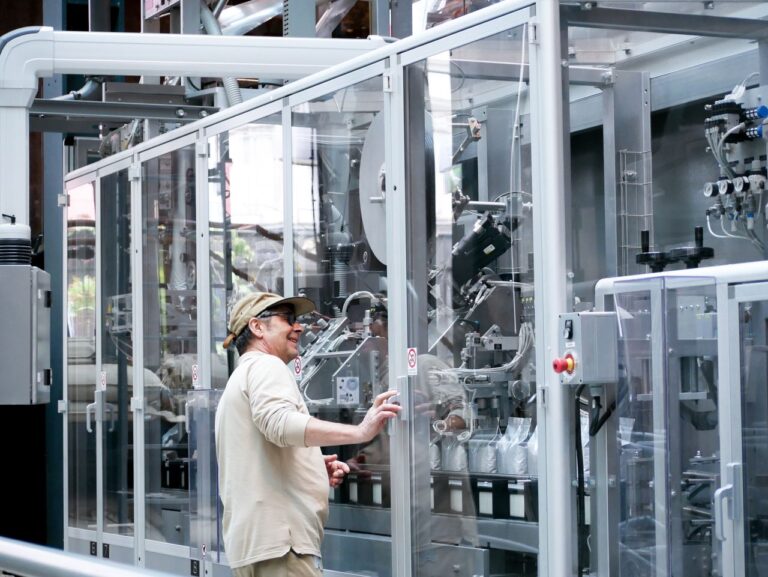
Manufacturing facilities can contribute significantly to supply chain emissions through electricity consumption, heating and other thermal processes, mechanical equipment, and production-related energy requirements. Identifying these sources and introducing targeted improvements can help suppliers reduce emissions while improving the efficiency of their operations.
The new program is intended to support suppliers in developing their own reduction strategies rather than relying exclusively on requirements established by individual customers. By helping manufacturing partners establish emissions baselines, evaluate energy use, and develop practical reduction roadmaps, Logitech aims to encourage improvements that can benefit suppliers across their entire customer base.
This collaborative approach is particularly relevant for manufacturers serving multiple global brands, each of which may have different reporting requirements and climate objectives. Shared tools and consistent measurement practices can help suppliers better understand their environmental performance and identify opportunities for improvement.
Logitech’s initiative also recognizes that decarbonization involves more than purchasing renewable electricity. It can require operational assessments, technical planning, investment decisions, improved reporting systems, and ongoing collaboration between manufacturers and their customers.
Four Core Pillars of the Chain Reaction Program
Chain Reaction is structured around four pillars designed to address different barriers that suppliers may encounter when reducing emissions.
1. Affordable Clean Energy
The first pillar focuses on improving supplier access to renewable energy through collective purchasing opportunities.
Logitech plans to bring participating suppliers together to aggregate purchasing power and collectively procure high-standard renewable energy instruments. By coordinating demand, the program seeks to help suppliers secure clean electricity at competitive prices while reducing exposure to long-term energy price volatility and related risks.
Access to affordable renewable energy can be an important challenge for manufacturers operating across different countries and electricity markets. Individual suppliers may have limited purchasing leverage or face difficulties identifying suitable renewable energy options.
A coordinated approach can help participating companies explore procurement opportunities that may be more difficult to access independently. Increasing the use of renewable electricity can also support reductions in emissions associated with factory operations, depending on the energy sources being replaced and the applicable accounting methodology.
Through this pillar, Logitech aims to make clean energy procurement a more accessible component of supplier decarbonization plans.
2. Energy and Greenhouse Gas Evaluations
The second pillar supports supplier-led assessments of factory energy consumption and greenhouse gas emissions.
These evaluations are designed to identify opportunities to improve energy, thermal, and mechanical efficiency. By examining how energy is used across manufacturing facilities, suppliers can identify areas where equipment upgrades, process adjustments, or operational changes may reduce consumption and associated emissions.
The assessments are intended to help participating manufacturers establish emissions baselines, define reduction targets, and develop practical roadmaps for achieving measurable improvements.
A clear baseline allows companies to understand their starting point and track progress over time. It can also help them prioritize investments by identifying areas with the greatest potential for energy savings or emissions reductions.
Importantly, the resulting roadmaps are intended to serve suppliers across their entire customer base rather than being limited to Logitech-related production. This approach could help participating manufacturers establish more consistent environmental management practices throughout their operations.
3. Expert Support and Guidance
The third pillar provides technical assistance, knowledge sharing, and reporting resources to help suppliers implement their decarbonization strategies.
The program includes technical workshops, roundtable discussions, and innovation sessions. These activities are intended to connect suppliers with relevant expertise, encourage collaboration, and help manufacturers understand practical approaches to reducing emissions.
Logitech will also provide co-developed reporting tools designed to streamline carbon accounting and reduce administrative workloads. Accurate emissions reporting is essential for measuring progress, identifying priorities, and communicating results to business partners.
However, collecting and managing environmental data can require significant time and resources, particularly for suppliers that operate multiple facilities or serve customers with different reporting expectations.
By providing shared tools and direct access to subject matter experts, Chain Reaction aims to help suppliers improve their reporting processes while focusing more resources on operational improvements.
Participating facilities will also receive technical workshops on establishing greenhouse gas baselines and opportunities to explore emerging solutions through Logitech’s Future Positive Challenge. The challenge provides a pathway for suppliers to pilot innovative approaches that could support environmental progress and operational transformation.
4. Commercial Recognition
The fourth pillar links carbon transparency and decarbonization progress with Logitech’s commercial engagement with suppliers.
The company plans to incorporate these factors into regular business reviews and new business awards. This approach is intended to give manufacturing partners greater executive visibility and recognition for measurable progress in reducing emissions.
By integrating environmental performance into commercial discussions, Logitech aims to strengthen the connection between sustainability and business development.
Suppliers that invest in emissions reduction, improve energy efficiency, and increase transparency can demonstrate their commitment to the company’s climate objectives. Recognizing these efforts within business relationships may also encourage broader participation in decarbonization initiatives.
This pillar reflects Logitech’s intention to treat climate progress as an element of its supplier relationships rather than as a separate reporting exercise.
Leadership Emphasizes Factory-Level Action
Elaine Laird, chief people and sustainability officer at Logitech, emphasized the importance of supporting suppliers directly where manufacturing activities take place.
“Real value-chain decarbonization happens directly on the factory floor,” Laird said. “Our suppliers understand their operations best. Chain Reaction helps our manufacturing partners access the practical tools, technical evaluations and clean energy solutions they need to optimize their operations and lead their own decarbonization roadmaps.”
Her comments highlight the program’s focus on supplier knowledge and practical implementation. Manufacturers have detailed understanding of their equipment, production processes, energy requirements, and operational constraints. Providing them with technical resources and clean energy options can help translate climate objectives into facility-level improvements.
Sree Chenincherry, chief supply chain operations officer at Logitech, also emphasized the relationship between decarbonization and commercial performance.
“By integrating carbon transparency and decarbonization progress into our commercial metrics, we are enabling more value for our suppliers to grow with Logitech,” Chenincherry said.
He added that reducing emissions and improving operational efficiency can reinforce one another, explaining that reducing energy waste and transitioning to clean power can create structural cost savings, mitigate long-term volatility, and strengthen the shared value chain.
These statements reflect Logitech’s approach of linking environmental progress with operational performance and supplier development.
Connecting Sustainability With Operational Efficiency
Chain Reaction is designed to address both environmental and business considerations. Reducing energy consumption can lower operating expenses, while renewable electricity procurement may help suppliers manage exposure to conventional energy markets. Improved reporting and emissions measurement can also support better-informed investment decisions.
For manufacturers, the ability to identify energy-intensive processes and prioritize improvements may create opportunities to reduce waste and improve production efficiency. These benefits can support long-term competitiveness while contributing to customers’ climate targets.
The initiative’s collaborative structure is also intended to create value beyond Logitech’s direct operations. By helping suppliers develop roadmaps that can be applied across their customer relationships, the company aims to encourage more consistent decarbonization practices throughout the manufacturing ecosystem.
Although the program begins with 17 key suppliers, its four-pillar structure provides a framework for addressing several common challenges associated with industrial decarbonization: access to clean energy, technical assessment, emissions reporting, and commercial incentives.
Advancing Logitech’s 2030 Climate Goals
The launch of Chain Reaction marks a further step in Logitech’s efforts to reduce its value-chain emissions and advance its science-based target of cutting Scope 3 greenhouse gas emissions by 50% by 2030.
Building on the 33% reduction in its total Scope 3 carbon footprint reported for fiscal year 2026 against the 2021 baseline, the company is now placing additional emphasis on direct supplier engagement and factory-level improvements.
Through affordable clean energy procurement, operational evaluations, expert guidance, and commercial recognition, Logitech aims to help manufacturing partners implement measurable emissions reductions while improving efficiency and business resilience.
The program underscores the growing role of supplier collaboration in corporate climate strategies. As global manufacturers face increasing pressure to reduce emissions and improve environmental transparency, initiatives that combine technical support with commercial incentives may help turn climate commitments into practical operational changes.
With Chain Reaction, Logitech is seeking to align supplier development, manufacturing efficiency, and emissions reduction within a coordinated global program. Its progress will depend on implementation across participating facilities and the measurable results achieved as suppliers put their decarbonization roadmaps into practice.