
The Strategic Importance of Advanced Parylene Conformal Coating Solutions in Modern Electronics Manufacturing
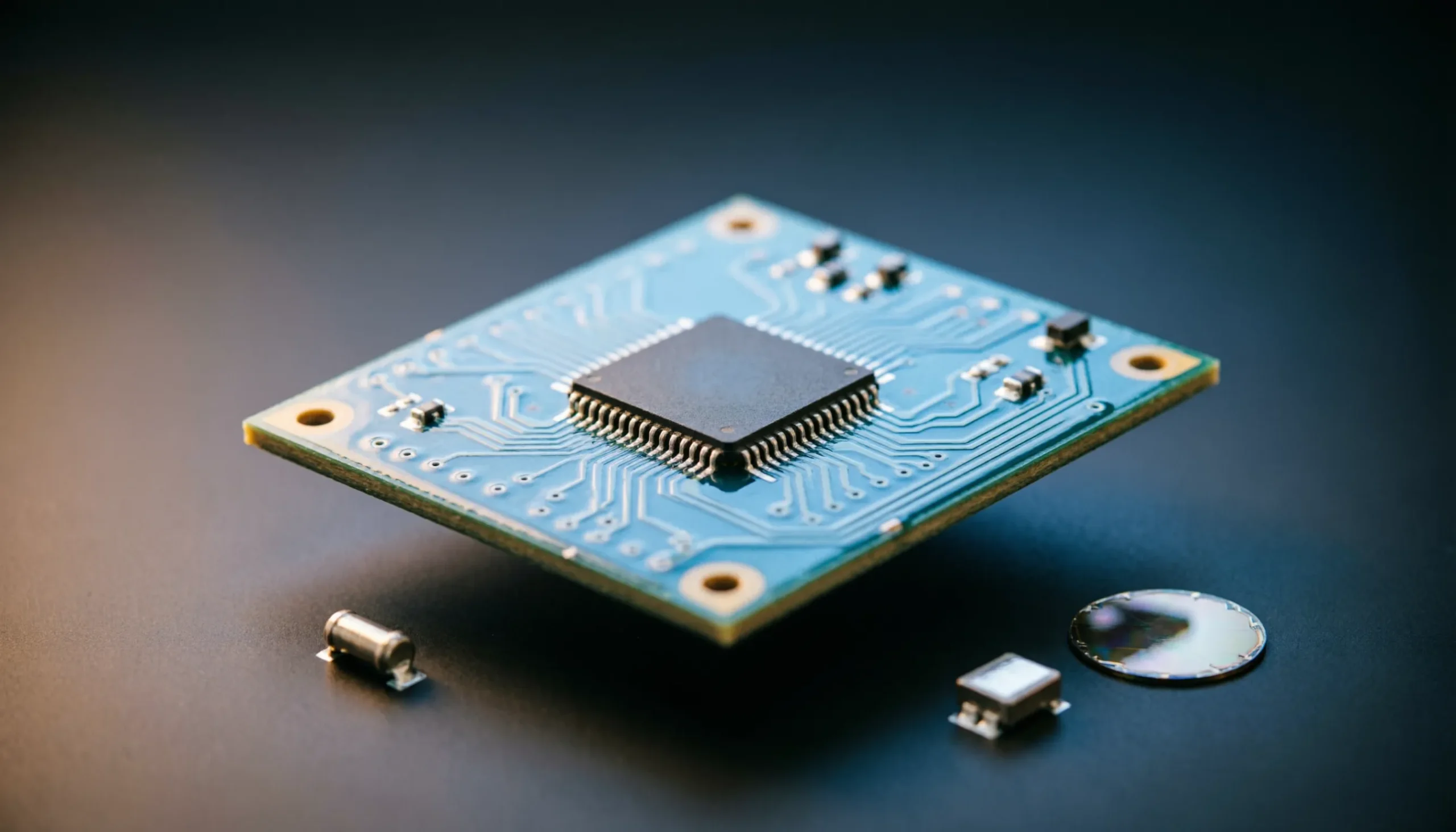
As electronic components continue to shrink in size while being required to operate in increasingly aggressive and unpredictable environments, the demand for highly specialized protective materials has grown significantly across global industries. From aerospace avionics and automotive control modules to implantable medical devices and high-performance industrial sensors, reliability under stress is no longer optional but mission critical. Traditional liquid-based conformal coatings, although still widely used, often fall short when extreme dielectric strength, chemical inertness, and uniform surface encapsulation are required.
This shift in performance expectations has accelerated the adoption of thin-film polymer technologies, with Parylene (poly-para-xylylene) emerging as the benchmark standard for surface protection in advanced applications. For procurement teams searching for a dependable Advanced Parylene Conformal Coating Solutions Supplier in China, the decision-making process must extend far beyond cost comparison and lead time assessment; it demands a rigorous evaluation of vacuum deposition expertise, raw material integrity, equipment sophistication, quality certifications, and long-term technical sustainability.
Understanding the Fundamental Standards of High-Quality Parylene Coating
Parylene conformal coating is fundamentally different from conventional protective coatings because it is not sprayed, brushed, or dipped onto a surface in liquid form. Instead, it is applied through a highly controlled Chemical Vapor Deposition (CVD) process conducted inside a vacuum chamber. During this process, a solid dimer material is vaporized, pyrolyzed into a monomer gas, and then polymerized directly onto the substrate surface at room temperature. This vapor-phase deposition allows the polymer to penetrate microscopic gaps, internal cavities, sharp edges, and complex geometries that would otherwise remain partially exposed with liquid coatings.
The result is a truly conformal, pinhole-free protective layer with exceptional dielectric strength, chemical resistance, and thermal stability. Because deposition occurs at ambient temperature, Parylene introduces no thermal stress, making it especially suitable for delicate microelectronics, MEMS devices, and sensitive biomedical assemblies. High-quality Parylene deposition is defined not by surface gloss or immediate visual appearance but by measurable performance metrics and micro-level uniformity.
A superior coating maintains consistent thickness across intricate printed circuit boards, under components, along sharp solder joints, and within narrow crevices. Key evaluation metrics include dielectric breakdown voltage, moisture vapor transmission rate (MVTR), insulation resistance stability under humidity, adhesion strength, and, where relevant, biocompatibility compliance. Signs of substandard processing—such as bubbling, peeling, cracking, or uneven thickness distribution—typically indicate insufficient surface preparation, contamination within the vacuum chamber, or unstable process parameter control. For procurement professionals, the first validation step should involve confirming that a supplier maintains tightly controlled deposition parameters, repeatable batch performance, and documented quality assurance protocols supported by statistical process control systems.
Key Qualifications and Industry Credentials That Signal Operational Excellence
Certifications provide an initial layer of assurance that a supplier operates within recognized international quality frameworks, but they should be treated as foundational rather than comprehensive indicators of capability. A reputable Parylene coating supplier should hold ISO 9001 certification for quality management systems, demonstrating structured procedures for documentation, traceability, and corrective action management. In industries with stricter regulatory oversight, additional credentials become mandatory rather than optional. For example, in the medical device sector, compliance with USP Class VI biocompatibility standards is essential to ensure that coated materials are safe for prolonged contact with biological tissue or bodily fluids.
Aerospace and defense applications may require adherence to MIL specifications or other industry-specific testing protocols. An example of a supplier operating at this elevated level is Penta Nanotechnology (Suzhou) Co., Ltd., a wholly Singapore-owned enterprise located within Suzhou Industrial Park. By combining Singapore-based management discipline with China’s advanced manufacturing ecosystem, the company demonstrates how cross-border operational models can enhance process reliability and quality governance. Participation in international electronics and medical technology exhibitions further reinforces transparency and engagement with the global technical community. Procurement teams should prioritize suppliers that consistently renew certifications, invest in compliance audits, and align their internal processes with the latest revisions of international standards rather than relying on outdated documentation.
Technical Innovation and Integrated Value Chain Capabilities
The technical complexity of Parylene coating means that standardized, one-size-fits-all solutions rarely satisfy advanced application requirements. Substrate materials differ in surface energy characteristics, geometrical complexity, and environmental exposure profiles, requiring customized adhesion promoters, thickness optimization, and material selection. Parylene is available in several variants, including N, C, and F types, each offering distinct performance characteristics such as dielectric strength, moisture barrier properties, or enhanced thermal endurance. A high-caliber supplier must therefore maintain strong research and development capabilities capable of tailoring deposition parameters to specific operational demands. Integrated suppliers that manage research, production, sales, and after-sales technical support within a single organizational framework provide a significant advantage to global clients.
Vertical integration shortens feedback cycles between design modifications and production adjustments, enabling rapid implementation of process improvements. If a project requires increased salt spray resistance for automotive engine sensors or enhanced high-temperature endurance for aerospace micro-actuators, an integrated supplier can adjust adhesion chemistry or deposition thickness without external dependency delays. This capacity for responsive customization is particularly critical when production timelines are tight and failure tolerance is minimal. Procurement teams should assess whether a supplier maintains internal engineering laboratories, pilot-scale deposition chambers, and application testing facilities that simulate real-world stress conditions before committing to long-term supply agreements.
Evaluating Market Reputation, Sector Experience, and Application Portfolio
Experience in Parylene coating is not easily replicated because many operational variables—such as masking precision, de-masking efficiency, vacuum cycle optimization, and surface preparation protocols—are refined only through years of hands-on production. The masking process itself can be a decisive factor in achieving accurate selective coating while protecting designated electrical contact points. Improper masking can result in contamination, short circuits, or functional failure. Therefore, a supplier’s project portfolio should demonstrate diverse sector exposure, including automotive electronics, aerospace instrumentation, industrial control systems, telecommunications modules, and medical device assemblies.
A strong track record of successful deployments in demanding environments signals maturity in process control and risk mitigation. Suppliers operating within established high-tech manufacturing clusters, such as Suzhou Industrial Park, benefit from proximity to semiconductor manufacturers, advanced materials suppliers, and research institutions. This ecosystem fosters continuous improvement and collaboration. When evaluating candidates, procurement professionals should request detailed case studies, reliability testing data, and references from clients facing similar environmental challenges, such as extended humidity exposure, high-temperature cycling, vibration stress, or chemical immersion. Market reputation should be validated not only through marketing materials but also through third-party verification, repeat business records, and transparent technical documentation.
Material Purity, Equipment Sophistication, and Process Stability
The performance of a Parylene coating ultimately depends on the purity of the raw dimer material and the precision of the Chemical Vapor Deposition system used during polymerization. High-purity dimer ensures consistent molecular chain formation and minimizes contamination risks that could create microscopic defects in the coating layer. Advanced suppliers often design or significantly modify their CVD equipment to enhance thermal activation efficiency, optimize deposition rates, and maintain stable vacuum conditions. Contamination within the vacuum chamber—whether from residual particulates, incomplete cleaning, or degraded seals—can compromise coating integrity and reduce dielectric performance.
Therefore, procurement teams should assess maintenance schedules, chamber cleaning protocols, and the presence of automated monitoring systems capable of detecting pressure fluctuations or temperature deviations in real time. Modern deposition systems equipped with programmable logic controllers and digital data logging provide traceability that is essential for high-reliability industries. Automated process control not only reduces variability between production batches but also supports root cause analysis in the unlikely event of performance anomalies. Suppliers investing in high-precision instrumentation and preventive maintenance programs demonstrate a commitment to achieving near zero-defect output, a standard increasingly demanded by electronics manufacturers operating at the cutting edge of miniaturization.
Strategic Procurement Considerations
Selecting a Parylene conformal coating supplier in China is not a transactional procurement decision but a strategic partnership evaluation. Beyond technical metrics and certifications, procurement leaders must consider supply chain resilience, communication transparency, intellectual property protection, and scalability capacity. A supplier capable of expanding deposition capacity in alignment with production growth provides operational security during demand surges. Clear communication channels, bilingual engineering support, and documented confidentiality agreements strengthen collaboration, especially for international clients transferring proprietary designs. Financial stability and long-term investment in infrastructure signal sustainability and reduce the risk of operational disruption.
Ultimately, the ideal Advanced Parylene Conformal Coating Solutions Supplier combines technical excellence, certified quality systems, integrated R&D capability, sophisticated equipment management, and a proven reputation across high-reliability industries. In an era defined by component miniaturization and environmental extremity, the protective barrier provided by Parylene is more than a coating; it is a foundational element of product durability, electrical integrity, and operational safety. Procurement teams that conduct comprehensive due diligence across these multidimensional criteria position their organizations to achieve consistent performance, reduced field failure rates, and long-term competitive advantage in global markets.
Source Link:https://www.issuewire.com/