
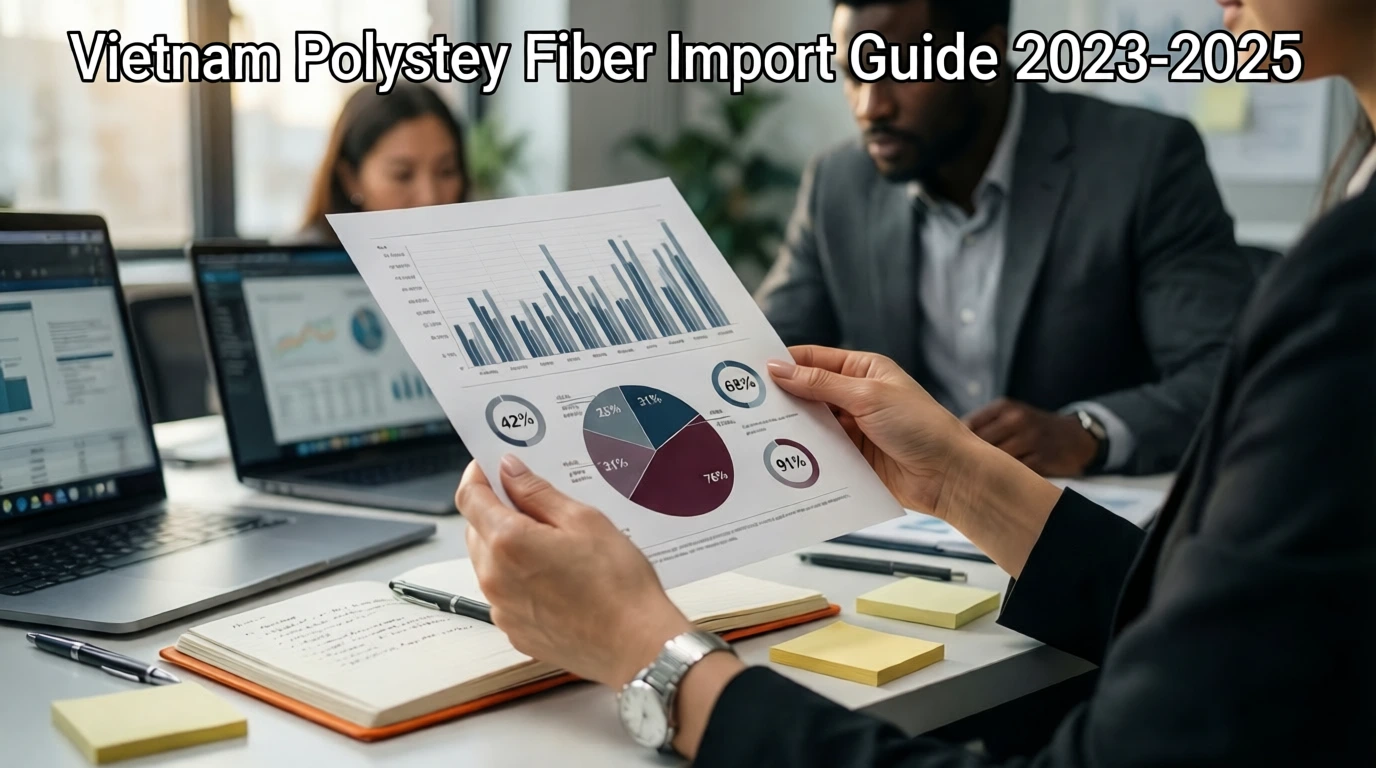
Vietnam Polyester Fiber Import Guide 2023-2025
The “Vietnam Polyester Fiber Import Guide 2023–2025” has been added to ResearchAndMarkets.com’s portfolio, offering a practical and data-driven resource for global polyester fiber manufacturers, exporters, and related suppliers seeking to enter or expand within the Vietnamese market.
Developed to support efficient market entry, the guide delivers a comprehensive overview of Vietnam’s polyester fiber industry, its import landscape, and detailed profiles of key importing companies over the 2023–2025 period. It is designed to help international suppliers better understand market structure, demand patterns, and competitive dynamics, while identifying actionable opportunities for growth.
Vietnam’s polyester fiber import market is served by a diverse range of companies, including textile manufacturers, trading firms, knitting operations, and clothing and fabric producers. The guide highlights the top 10 importing companies, presenting in-depth company profiles along with contact details and critical trade data. This includes import volumes, values, pricing trends, sourcing countries, and major suppliers, supported by Excel-based datasets for the 2023–2025 timeframe.
By publishing the Vietnam Polyester Fiber Import Guide 2023–2025, the analyst aims to equip polyester exporters with precise customer acquisition pathways, enabling faster and more effective expansion into Vietnam. The guide also serves international trading firms and investment institutions by providing strategic insights to support regional supply chain optimization, risk mitigation, and informed decision-making in a fast-growing market.
Industry Overview
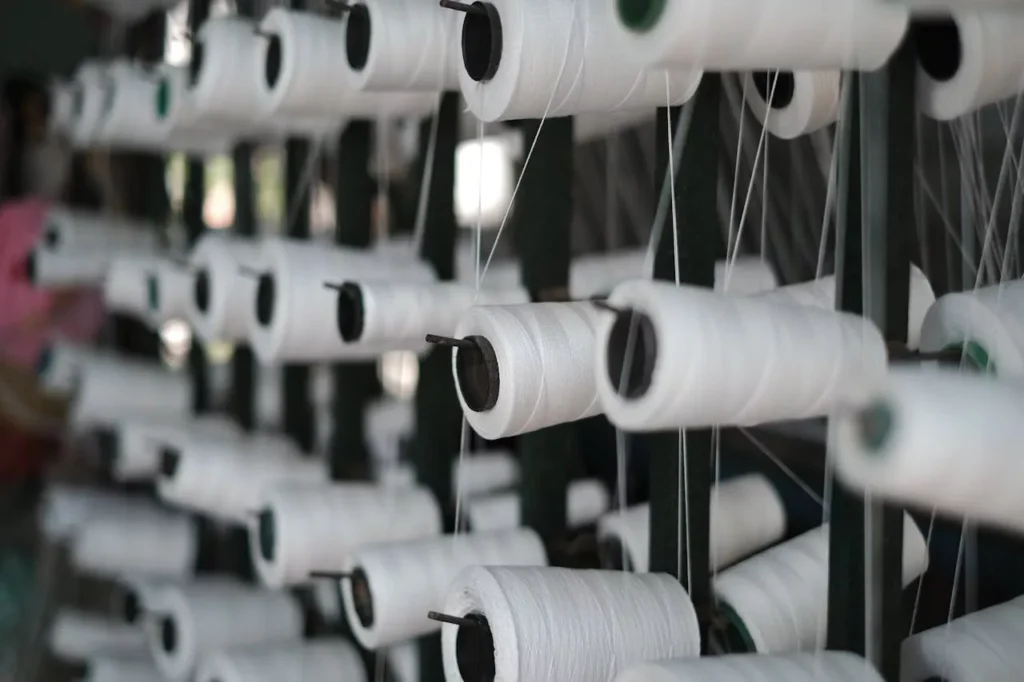
Vietnam’s polyester industry has demonstrated steady growth in recent years and represents a key segment of the country’s broader chemical fiber and textile value chain. Production is mainly concentrated among a limited number of large enterprises, including facilities located in Nam Dinh, Hai Phong, and Binh Duong.
Despite this domestic base, Vietnam’s local polyester fiber production capacity remains constrained, particularly in high-end and differentiated categories. As a result, the country continues to rely heavily on imports to meet demand. Polyester plays a vital role as a core raw material for Vietnam’s textile and garment export industry, where the country ranks as the world’s third-largest exporter.
Rising exports of functional fabrics, sportswear, and home textiles are driving strong demand for products such as polyester staple . In response, the industry is gradually shifting toward higher value-added production, with increased emphasis on environmental sustainability, localization, and innovation. Government policies actively encourage technology transfer and foreign investment, particularly in differentiated fibers, functional fibers, and recycled projects. Looking ahead, the next five to ten years are expected to offer substantial investment potential in capacity expansion, international cooperation, and green material development.
Overview of Foreign Investment
Vietnam’s textile and garment sector is one of the country’s most important export pillars, with demand for polyester staple fiber, filament, and recycled fiber continuing to rise. However, domestic supply has not kept pace with this growth, resulting in continued dependence on imported raw materials such as PET chips and polyester fibers.
To address this imbalance, the Vietnamese government is actively promoting foreign investment in polyester fiber manufacturing facilities. These efforts aim to strengthen supply chain localization, reduce import reliance, and increase overall value creation within the textile industry, creating attractive opportunities for international investors.
Vietnam offers several advantages for foreign investment, including political stability, consistent economic policies, and a strong focus on long-term development. Labor costs remain relatively competitive, and the country’s strategic geographic location—featuring a 3,260-kilometer coastline and well-developed port infrastructure—supports efficient logistics and trade. Additionally, Vietnam maintains relatively flexible regulatory frameworks, comprehensive legal protections, and favorable incentive policies for foreign investors.
With a high level of economic openness, Vietnam has signed or is negotiating 19 free trade agreements, enabling investors to leverage frameworks such as RCEP and the China–ASEAN Free Trade Area to access broader regional and global markets.
Under Vietnam’s updated investment law, foreign participation in the polyester fiber industry is permitted through various models, including wholly foreign-owned enterprises, joint ventures, mergers and acquisitions, and other direct or indirect investment structures.
Import Market Overview
Demand for polyester fiber in Vietnam continues to grow rapidly, while local production capacity remains limited, resulting in a high reliance on imports. Polyester fiber is the most widely used textile raw material globally and is essential to Vietnam’s expanding textile, knitting, and apparel manufacturing sectors.
According to analyst estimates, approximately 416 companies in Vietnam imported polyester fiber in 2024, with total import value reaching US$436 million. China remained the dominant supplier, accounting for around 65% of import value, followed by Thailand at 14% and South Korea at 8%. Total polyester fiber imports were expected to rise by approximately 12% year-on-year in 2024, reflecting sustained demand growth. With continued expansion in Vietnam’s textile and apparel industries, the polyester staple fiber import market is projected to grow even further in the coming years.
Guide Highlights
The guide provides comprehensive coverage of Vietnam’s major polyester fiber importers, spanning textile manufacturers, traders, knitting companies, and garment and fabric producers. It offers detailed importer profiles, including contact information, import quantities, values, pricing, sourcing countries, and key suppliers.
Using a data-driven, market-oriented approach, the publication delivers in-depth analysis of Vietnam’s import policies, demand trends, and supply sources. Its structured format and included Excel datasets enable efficient screening, segmentation, and batch outreach, allowing global suppliers to connect with Vietnamese buyers more effectively.
In addition to importer data, the guide presents a clear overview of Vietnam’s polyester fiber industry and import market dynamics, helping suppliers identify opportunities, anticipate risks, and position themselves strategically within the market.
Companies Featured
Key companies profiled in the guide include Han Young Vietnam Co. Ltd., Tainan Spinning Co. Ltd. Vietnam, and Mei Sheng Textiles Viet Nam Company Ltd.
Source link:https://www.businesswire.com/