
CES 2026 Highlights Perception as the Cornerstone of Robotic Autonomy
As robots transition from experimental tools to essential infrastructure across factories, warehouses, hospitals, and public spaces, one message is resonating across the show floor: advanced visual perception is becoming the foundation of autonomy in robotics.
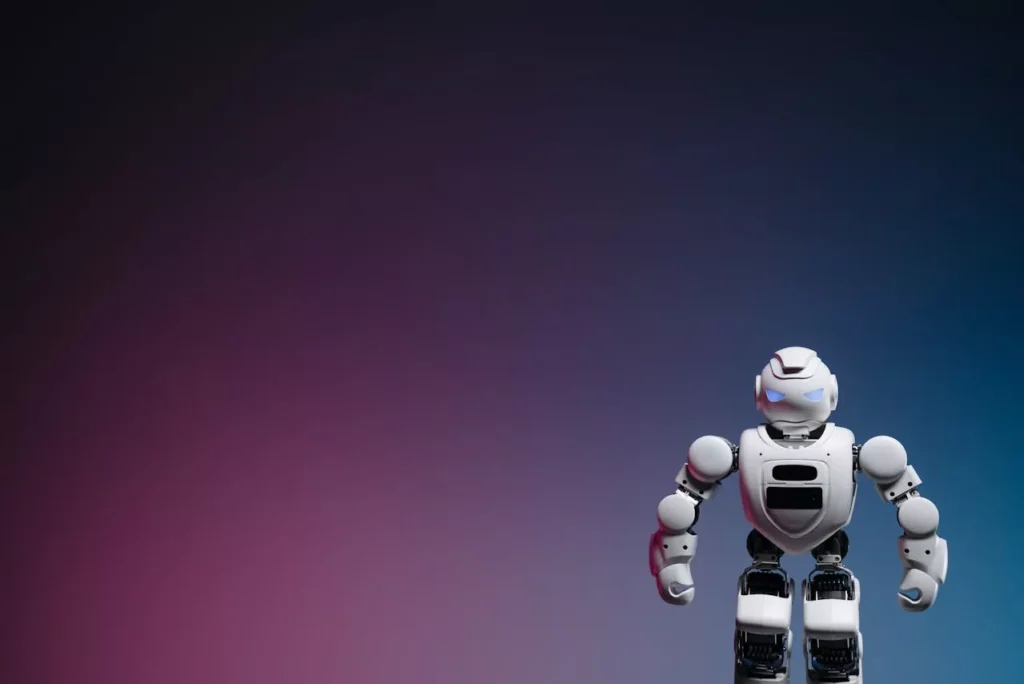
From autonomous mobile robots (AMRs) to humanoids and industrial inspection systems, robotic platforms are converging on a shared challenge—operating safely, intelligently, and continuously in complex, human-centered environments.
We’re moving from isolated automation to shared autonomy,” said Nadav Orbach, CEO of RealSense. “Robots are no longer executing scripts; they’re being asked to understand intent, navigate uncertainty, and collaborate. That only works if they can perceive the world with confidence.”
Drawing on real-world deployments showcased at CES—including demonstrations from Unitree, LimX Dynamics, Mobile Industrial Robots (MiR), and Intel Foundry with Boston Dynamics—RealSense outlines five trends shaping the future of robotics in 2026. The company, a leader in robotic depth perception, powers approximately 60% of the global AMR market and 80% of humanoid robotics platforms.
Perception Becomes the Bedrock of Physical AI
As robots move into unstructured, real-world settings, perception is no longer optional—it is foundational. Depth sensing, sensor fusion, and real-time spatial awareness underpin safe and intelligent behavior. Reliable calibration and motion awareness over time are critical to sustaining autonomy in production environments.
Perception now supports the full autonomy lifecycle, from teleoperation and data collection to training, simulation, and fully independent operation.
Robots Evolve from Scripts to Missions
Robotics is shifting away from rigid, pre-programmed actions toward goal-driven autonomy enabled by vision-language-action (VLA) models. Instead of defining every movement, developers assign high-level objectives such as inspecting facilities, transporting materials, or retrieving items. Robots must interpret context, plan dynamically, recognize objects, and adapt in real time.
This transition allows robots to learn through experience, gradually progressing from human-guided operation to mission-level autonomy.
Humanoid Robots Accelerate—Vision Determines Success
Humanoid robots are gaining momentum due to their ability to operate in environments designed for people. However, their real-world viability depends on robust perception systems that enable safe interaction, balance, manipulation, and continuous learning.
Low-latency, reliable vision is essential for humanoids to function autonomously alongside humans and integrate into broader robotic fleets.
Autonomy Scales Through Ecosystems
The industry is moving beyond standalone machines toward interconnected robotic ecosystems. Scaling autonomy now requires seamless integration of sensing, compute, and AI across platforms, supported by workflows that connect perception data, simulation, and deployment.
This ecosystem-driven approach is reducing integration complexity, accelerating iteration, and enabling global scalability.
Automation Becomes Invisible
Automation economics have reached a tipping point. In 2026, autonomous robots are increasingly deployed to operate continuously from day one. As systems mature, the technology itself fades into the background, while intelligent robots quietly transform how work is performed.
Looking Ahead
As robotics enters its next phase, success will depend on trust, safety, and real-world reliability. Intelligent perception is the key enabler, allowing robots to collaborate with people, coordinate with each other, and operate confidently at scale.
When robots can see their world and understand their role within it,” Orbach said, “autonomy becomes cooperative—and the physical world becomes programmable at system scale.”
About RealSense
RealSense delivers industry-leading depth cameras and vision technology used in autonomous mobile and humanoid robots, access control, industrial automation, healthcare and more. With a mission to deliver world-class perception systems for Physical AI and safely integrate robotics and AI into everyday life, RealSense provides intelligent, secure and reliable vision systems that help machines navigate and interact with the human world. The company is headquartered in Cupertino, California, with operations worldwide.