
Boeing Affirms Commitment to NASA Safety Standards and Progress on Starliner Program Following Comprehensive Investigation
Boeing expressed its appreciation to NASA for conducting a detailed and methodical investigation following the company’s recent Starliner test flight, emphasizing that the review process provided valuable insights that will further strengthen mission assurance and operational excellence across the Commercial Crew Program. The company acknowledged the significance of NASA’s independent assessment and welcomed the opportunity to actively contribute technical data, engineering analysis, and organizational feedback throughout the investigative process. Boeing underscored that collaboration with NASA remains central to its approach, particularly as both organizations continue working toward the shared objective of ensuring the highest possible levels of crew and mission safety in human spaceflight operations.
Eighteen Months of Technical Improvements and Engineering Corrections
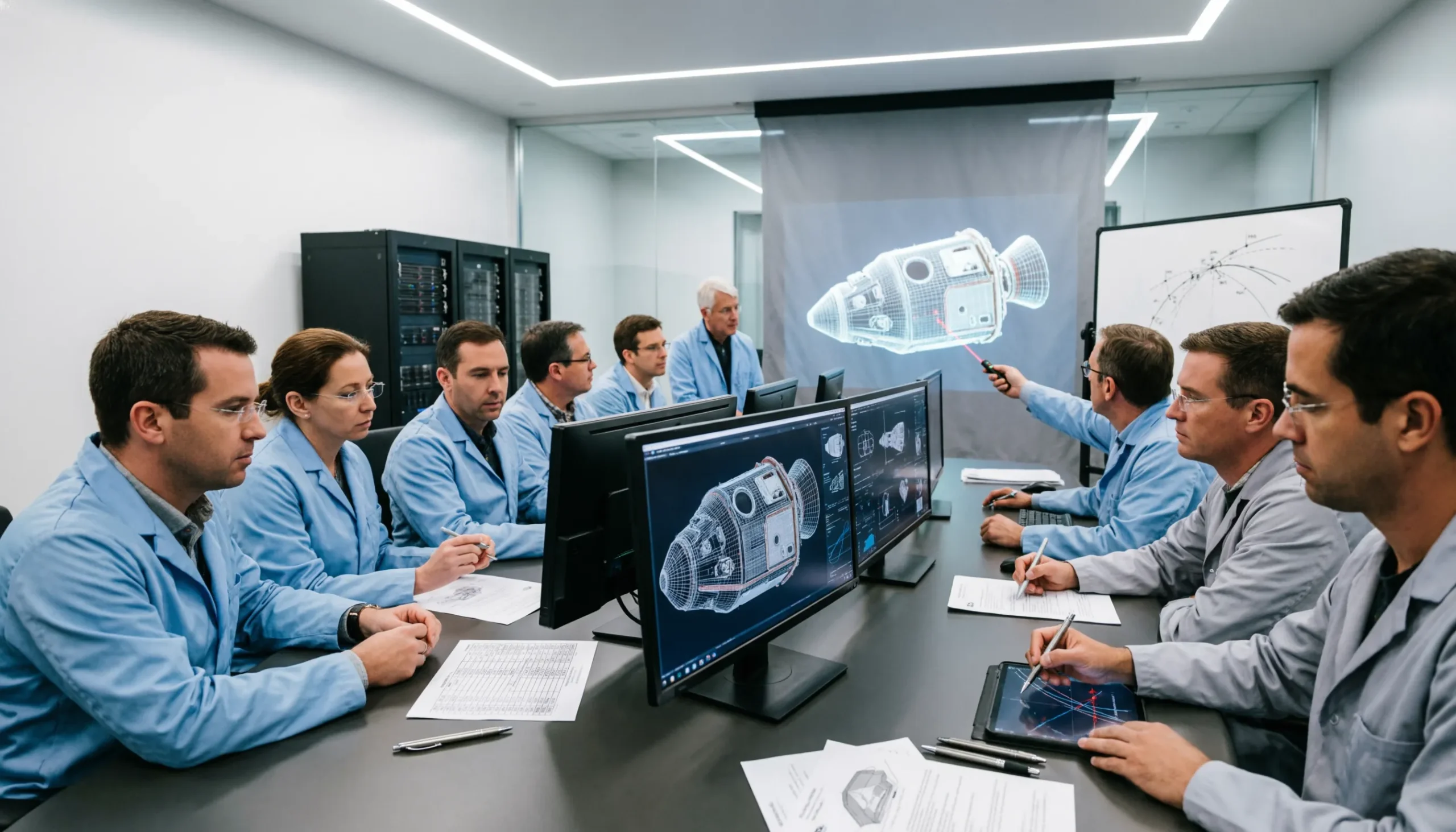
In the 18 months since the test flight, Boeing has undertaken a broad series of corrective actions to address the technical challenges encountered during the mission. These efforts have included detailed hardware evaluations, software updates, expanded system-level simulations, propulsion system refinements, and enhanced verification and validation procedures. Engineering teams conducted comprehensive reviews of spacecraft subsystems, incorporating lessons learned from flight data to improve redundancy, reliability, and fault tolerance. The company also strengthened its testing protocols, implementing more rigorous pre-flight analysis and end-to-end mission simulations to better anticipate potential anomalies before launch. These measures were designed not only to correct previously identified issues but also to proactively mitigate risks in future missions.
Strengthening Systems, Processes, and Verification Protocols
Boeing reported that improvements extend beyond component-level fixes and into broader systems engineering practices. The organization enhanced cross-functional integration between propulsion, avionics, software, and mission operations teams to ensure more seamless coordination during mission planning and execution. Internal review boards were reinforced to provide additional oversight at key development milestones, while data-sharing mechanisms with NASA were expanded to support real-time transparency. The company emphasized that safety-driven decision-making now incorporates deeper analytical modeling and scenario-based stress testing, ensuring that even low-probability events receive thorough evaluation. These steps reflect Boeing’s recognition that human spaceflight demands not only technical precision but also disciplined program management and uncompromising adherence to safety standards.
Cultural Transformation and Organizational Accountability
Beyond engineering solutions, Boeing highlighted significant cultural changes implemented within the Starliner program team. Leadership initiated initiatives aimed at fostering open communication, encouraging the reporting of concerns, and strengthening accountability at every organizational level. Employees were empowered to escalate safety-related issues without hesitation, reinforcing a culture where mission assurance takes precedence over schedule pressures. Boeing stated that these cultural shifts align directly with the findings outlined in NASA’s report, which emphasized the importance of transparency, rigorous oversight, and continuous improvement in commercial crew development programs. The company noted that sustained cultural evolution is essential for long-term success and that safety must remain embedded in daily operations, not simply addressed in response to isolated events.
Alignment With NASA’s Findings and Ongoing Collaboration
NASA’s investigative report, according to Boeing, serves as a constructive reinforcement of the company’s ongoing reform initiatives. The organization views the report not as a conclusion but as a catalyst for further enhancement. Boeing confirmed that it is working closely with NASA engineers and program managers to integrate the report’s recommendations into updated mission readiness plans. This partnership involves joint reviews, technical interchange meetings, and collaborative risk assessments to ensure that all corrective measures are validated prior to future crewed flights. The company reaffirmed that its relationship with NASA remains built on trust, transparency, and shared responsibility for astronaut safety.
Commitment to Crew and Mission Safety as a Core Priority
Boeing reiterated that crew and mission safety represent the highest and non-negotiable priorities within the Starliner program. The company emphasized that all future milestones, including hardware integration, flight readiness reviews, and operational simulations, will be measured against strict safety benchmarks established in partnership with NASA. By embedding safety metrics into every stage of development, Boeing aims to ensure that technical performance and risk mitigation are inseparable components of mission planning. The organization underscored that human spaceflight inherently carries complex challenges, but through disciplined engineering, rigorous oversight, and continuous learning, those challenges can be responsibly managed.
Preparing for Future Starliner Missions
Looking ahead, Boeing confirmed that preparations are underway to support future Starliner missions once readiness criteria are fully satisfied. The company is conducting additional integrated system tests and validation exercises designed to confirm spacecraft reliability under a wide range of operational conditions. Mission planning teams are coordinating closely with NASA to align launch timelines with technical preparedness, ensuring that flight decisions are grounded in comprehensive readiness evaluations. Boeing emphasized that it will not proceed with crewed missions until all agreed-upon requirements are met and verified through collaborative review processes.
Supporting NASA’s Vision for Dual Commercial Crew Providers
Boeing reaffirmed its strong commitment to NASA’s strategic objective of maintaining two independent commercial crew transportation providers to support missions to the International Space Station and beyond. The company emphasized that redundancy in crew transportation capabilities enhances national resilience, operational flexibility, and long-term sustainability in low Earth orbit. By continuing to develop and refine the Starliner spacecraft, Boeing seeks to contribute meaningfully to this dual-provider framework, ensuring that NASA retains multiple pathways for astronaut transportation. The company stated that it remains dedicated to fulfilling its role within this vision and to delivering a reliable, safe, and fully certified commercial crew system.
Continuous Improvement as the Path Forward
Boeing concluded by affirming that the lessons learned from the test flight and subsequent investigation have strengthened both its technical processes and organizational culture. The company views the past 18 months as a period of focused transformation, during which corrective actions, cultural reforms, and collaborative engagement with NASA have collectively advanced the Starliner program. By integrating NASA’s findings into ongoing development efforts, Boeing aims to build greater resilience, reliability, and operational confidence into every future mission. The organization emphasized that mission assurance in human spaceflight demands unwavering vigilance and a commitment to continuous improvement, principles that will guide all future work within the Commercial Crew Program.
Source Link:https://boeing.mediaroom.com/