
Dynamics Square USA Modernizes South Carolina Recycling Operations With Microsoft Dynamics 365 Business Central
Dynamics Square USA has completed the implementation of Microsoft Dynamics 365 Business Central for a South Carolina-based recycling and materials recovery organization, replacing an aging Dynamics NAV 2018 system that was no longer supported by its vendor. The project is designed to give the organization a more unified, cloud-based operating environment while improving visibility across finance, inventory, purchasing, warehouse management, and sales.
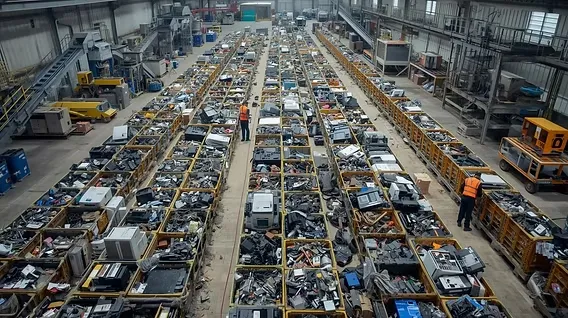
The recycling and materials recovery organization handles a diverse range of recyclable materials, including scrap metal, electronics, vehicles, and consumer recyclables. Its operations depend on daily drop-offs as well as commercial shipments, creating a need for accurate information about incoming materials, inventory levels, purchasing activity, sales, and financial performance.
Before the implementation, the organization was operating its core financial, inventory, and purchasing processes through Dynamics NAV 2018. As the legacy platform moved beyond vendor support, the company faced limitations in reporting and system maintenance. It also relied heavily on a single external consultant for ongoing technical support, creating an operational dependency and making it more difficult to maintain a flexible technology environment.
To address these challenges, Dynamics Square USA migrated the organization to Microsoft Dynamics 365 Business Central through a software-as-a-service model. The implementation brought key business functions together on a single cloud platform, providing a more connected foundation for day-to-day operations and future digital initiatives.
Replacing a Legacy ERP Environment
The transition from Dynamics NAV 2018 to Business Central represents a significant technology modernization for the recycling organization. Legacy enterprise resource planning systems can become increasingly difficult to maintain as vendors end support and organizations require more advanced reporting, collaboration, and integration capabilities.
By moving to Business Central, the organization can operate its finance, procurement, inventory, warehouse, and sales processes within one centralized environment. Instead of relying on disconnected information sources, employees can work with shared business data across departments.
The cloud-based model also reduces the organization’s dependence on traditional infrastructure and provides a platform that can be accessed and managed as part of a modern software-as-a-service environment.
For a recycling and materials recovery business, centralized data can be particularly valuable because material volumes and inventory conditions can change frequently. The organization needs to track material intake, movement through its operations, purchasing requirements, and sales activity while maintaining an accurate view of its financial position.
Improving Visibility Across Operations
One of the primary outcomes of the implementation is improved visibility into business operations. Business Central gives leadership access to unified information covering material intake, inventory movement, and financial performance.
Previously, limitations associated with the unsupported NAV environment affected the organization’s reporting capabilities. With Business Central, the company now has a more structured foundation for collecting and managing operational data.
The implementation also introduced structured approval workflows, helping establish more consistent processes around business activities that require management authorization. Standardized workflows can help organizations create greater accountability while reducing reliance on informal or manual approval processes.
Microsoft 365 alignment was another component of the modernization effort. Integrating business processes with the broader Microsoft ecosystem can provide employees with a more familiar technology environment and support collaboration across teams.
The new platform also establishes the groundwork for Power BI reporting in a planned second phase. This future development could allow the organization to build more advanced data visualization and analytics capabilities on top of the Business Central environment.
Supporting a Fast-Moving Recycling Industry
Recycling operations often require businesses to manage constantly changing material volumes and market conditions. Scrap metal, electronics, vehicles, and other recyclable materials can enter facilities through different channels, including individual drop-offs and commercial shipments.
These characteristics make accurate operational information important for decision-making. Management needs to understand what materials are coming into the organization, how inventory is moving, what is being purchased or sold, and how those activities affect financial performance.
The Business Central implementation provides the organization with a centralized technology foundation intended to support these requirements. By consolidating core processes into a single cloud platform, the company can reduce fragmentation and establish a clearer connection between operational and financial information.
The modernization also gives the organization a foundation for future growth. Rather than continuing to build processes around an aging ERP platform, the company now has access to a current Microsoft business-management environment that can evolve alongside its requirements.
Part of a Broader Business Central Modernization Trend
The South Carolina recycling implementation is part of a broader portfolio of Business Central projects completed by Dynamics Square USA this year.
Among those projects was an implementation for a Florida medical supplies manufacturer that replaced QuickBooks with Microsoft Dynamics 365 Business Central along with Dynamics 365 Sales and Customer Service. That project expanded the company’s business-management capabilities by connecting its financial and customer-facing operations.
Dynamics Square USA also worked with a national eyecare services platform that used Business Central’s native consolidation capabilities to unify reporting across multiple entities. Consolidated reporting can provide organizations with a more consistent view of financial information when operations span different business entities.
Another project involved a Niagara Falls-area manufacturer of hydraulic components for the aviation industry. The company moved from Dynamics NAV 2013 to Business Central on-premises, demonstrating another pathway for organizations seeking to modernize older Dynamics environments.
Together, these projects highlight the range of scenarios in which organizations are moving away from legacy accounting and enterprise resource planning platforms. Businesses can have different starting points, from older versions of Dynamics NAV to systems such as QuickBooks, but a common objective is the creation of a more connected operating environment.
Building a Foundation for Future Growth
For the South Carolina recycling organization, the Business Central implementation is more than a replacement of an unsupported ERP system. It establishes a foundation for broader digital transformation.
The initial project brings finance, procurement, inventory, warehouse operations, and sales together within one cloud-based platform. Structured workflows and Microsoft 365 alignment further strengthen the organization’s operating model.
The planned second phase involving Power BI reporting could extend those capabilities by enabling more sophisticated analysis of business information. With data centralized in Business Central, the organization has a foundation from which it can develop additional reporting and analytics capabilities.
This staged approach allows the company to modernize its core systems while creating opportunities for additional improvements over time.
“Recycling operations run on tight margins and material prices that change daily, so the systems behind them have to keep pace,” said Arish Siddiqui, Senior Manager, Business Development at Dynamics Square USA. “Moving this organization onto Business Central gave the team a platform built for that pace, with the visibility and stability to support the next stage of growth.”
Dynamics Square USA’s Microsoft Dynamics Expertise
Dynamics Square is a Microsoft Dynamics 365 partner providing implementation, migration, upgrade, and support services for organizations using Microsoft business-management technologies.
The company supports Business Central as well as Dynamics 365 Finance and Operations, helping organizations modernize legacy systems, transition to newer platforms, and maintain their business applications.
Its work with organizations across industries demonstrates the different approaches businesses can take when replacing older enterprise systems. Some organizations transition from legacy Dynamics NAV platforms, while others move from accounting software or consolidate multiple entities and reporting environments.
For companies evaluating a move away from Dynamics NAV or another aging business-management system, the South Carolina recycling project illustrates how Business Central can serve as a centralized cloud platform for finance, procurement, inventory, warehouse, and sales operations.
As organizations increasingly seek modern systems that can support connected data, reporting, collaboration, and future analytics initiatives, cloud-based ERP platforms are becoming an important component of broader technology modernization strategies. The completed implementation gives the South Carolina recycling organization a current platform designed to support its operational needs while creating a pathway toward additional reporting and digital capabilities.
If you want, I can also make this more SEO-focused with a stronger headline, H3/H4 headings, and a 1,000-word press-release/news style.
Source link:https://www.businesswire.com/