

Oasis Management Company Ltd., a long-term shareholder of Kyocera Corporation, has intensified its campaign for sweeping reforms at the Japanese electronics manufacturer ahead of the company’s June 2026 Annual General Meeting (AGM). Oasis, which has been actively engaging with Kyocera since 2015, argues that the company’s weak financial performance, poor capital efficiency, and outdated governance structure have significantly damaged shareholder value over the past decade. Through its “A Better Kyocera” campaign, Oasis is urging shareholders to support a series of proposals aimed at reshaping the company’s leadership and strategic direction.
The investment firm believes Kyocera has failed to adapt to modern corporate governance standards and continues to operate with an inefficient business structure. While the company has recently introduced some reforms, Oasis maintains that these changes are too limited and lack the urgency needed to restore Kyocera’s competitiveness in Japan’s electronics industry.
At the center of Oasis’s campaign are three major shareholder proposals. The first proposal calls for Kyocera to conduct a ¥350 billion share buyback during the fiscal year ending March 2027. Oasis argues that the company’s existing plan to repurchase up to ¥500 billion worth of shares over two years is insufficient given the company’s enormous balance sheet and low returns on equity (ROE). Kyocera reportedly holds approximately ¥3.3 trillion in equity and maintains a strong net cash position, along with valuable assets such as its holdings in KDDI shares. According to Oasis, the company has more than enough financial capacity to carry out a larger share repurchase program without harming investments in research, development, or future growth opportunities.
Oasis contends that Kyocera’s current capital allocation strategy reflects an overly conservative approach that has prevented shareholders from receiving adequate returns. The firm believes a larger buyback would improve capital efficiency and demonstrate stronger commitment to shareholder interests. It also argues that Kyocera’s low ROE target signals a continuation of underperforming financial management practices.
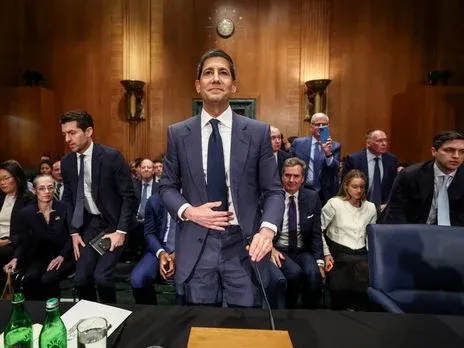
The second proposal focuses on corporate leadership and seeks the removal of Chairman Goro Yamaguchi from the board. Oasis strongly criticizes Yamaguchi’s leadership, highlighting that he has served as President since 2013 and Chairman since 2017. During his tenure, Kyocera’s average ROE reportedly remained around 4.2%, dropping to just 0.8% in 2025. Oasis describes this performance as evidence of severe value destruction and governance failure.
According to Oasis, Chairman Yamaguchi cannot avoid responsibility for the company’s weak performance because he has held significant authority over management decisions and board oversight for many years. The firm also points out that Yamaguchi chaired important committees, including the Nomination and Compensation Committees, which further strengthens his accountability for the company’s direction and results.
Shareholder dissatisfaction with Yamaguchi has already become visible in previous votes. At last year’s AGM, he reportedly received only 63.8% shareholder support, a figure considered unusually low for director elections in Japan. Proxy advisory firms ISS and Glass Lewis also recommended voting against his reappointment, citing concerns over weak capital allocation and poor returns. Oasis argues that retaining Yamaguchi despite these warning signs demonstrates a disregard for shareholder concerns and good governance practices.
The activist investor also criticized Kyocera’s decision to keep former President Tanimoto as a Special Executive Advisor. Oasis argues that such advisory roles allow former executives to continue influencing company decisions without proper accountability to shareholders. The firm referenced concerns raised by Japan’s Ministry of Economy, Trade and Industry, which has warned that influential advisors can create governance risks within corporations.
Although Kyocera has recently transitioned to a company structure with an Audit and Supervisory Committee and increased the number of independent directors, Oasis believes these improvements are undermined by the continued influence of long-serving executives. The firm insists that meaningful reform requires a complete break from past leadership and the empowerment of a new generation of executives capable of implementing bold structural changes.
The third proposal from Oasis involves the appointment of Kotaro Okamura as an external director. Oasis believes Kyocera urgently needs truly independent oversight from directors with expertise in capital policy, mergers and acquisitions, and portfolio restructuring. The company currently faces major challenges, including an overly diversified business portfolio and persistently weak capital efficiency.
Oasis argues that the current board has failed to provide adequate strategic guidance or push for necessary reforms. In contrast, Kotaro Okamura is presented as a candidate with extensive international experience in investment banking and corporate operations. He has also served as an external director at Sapporo Holdings, where he contributed to efforts aimed at improving capital efficiency and transforming the company’s business portfolio.
The proposal suggests appointing Okamura either as an external director serving on the Audit and Supervisory Committee or, if that fails, as a regular external director. Oasis believes his expertise would strengthen board discussions on management strategy and capital allocation while also providing independent oversight of executive decisions.
Overall, Oasis argues that Kyocera remains far from achieving the level of transformation necessary to restore investor confidence and maximize long-term corporate value. While the company claims its recent executive appointments represent progress in structural reforms, Oasis insists the pace of change has been too slow and insufficiently ambitious.
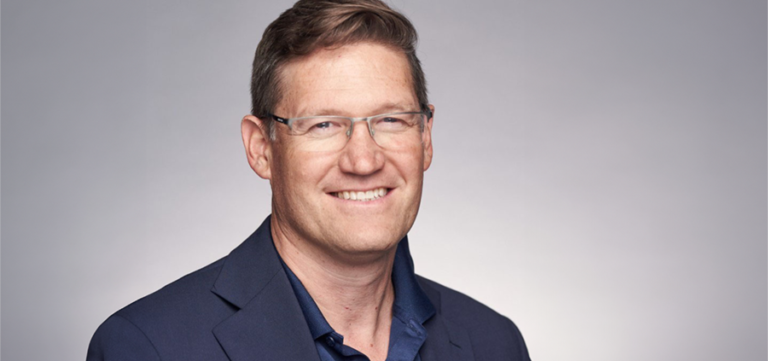
Seth Fischer, Founder and Chief Investment Officer of Oasis, emphasized the importance of accountability in corporate governance. He argued that retaining senior leadership responsible for years of weak performance contradicts the principles of effective management and governance. According to Fischer, Kyocera can only rebuild trust by addressing management accountability directly and embracing major leadership changes.
Oasis also called on shareholders to prioritize accountability rather than maintaining comfortable relationships with existing management. The firm stressed that meaningful reform is necessary for Kyocera to reclaim a leading position in Japan’s electronics components industry and unlock its full potential.
In addition to outlining its proposals, Oasis included several legal disclaimers clarifying that it is not attempting to coordinate voting activities with other shareholders under Japanese securities laws. The firm stated that the document reflects only its own opinions and analyses as an investment advisor to the Oasis funds, which currently hold investments in Kyocera and may continue to do so in the future.
Founded in 2002 by Seth Fischer, Oasis Management Company Ltd. manages private investment funds across multiple asset classes and markets. The firm says it follows Japan’s Stewardship Code by actively engaging with companies in which it invests to promote long-term shareholder value and stronger corporate governance.
Source link:https://www.businesswire.com/