
Mercedes-Benz Arocs Powers Snow Operations at the 2026 Biathlon World Cup, Oberhof
When elite biathletes from across the globe gathered at the Arena am Rennsteig in January 2026, much of the spotlight naturally focused on the intense competition unfolding on the snow-covered tracks of Oberhof, Thuringia. Yet behind the scenes, a different kind of performance was taking place—one defined not by skis and rifles, but by engineering precision, logistical coordination, and heavy-duty machinery. Mercedes-Benz trucks once again played a crucial supporting role, ensuring that the venue remained safe, accessible, and fully operational throughout the Biathlon World Cup and the youth and student competitions that followed.
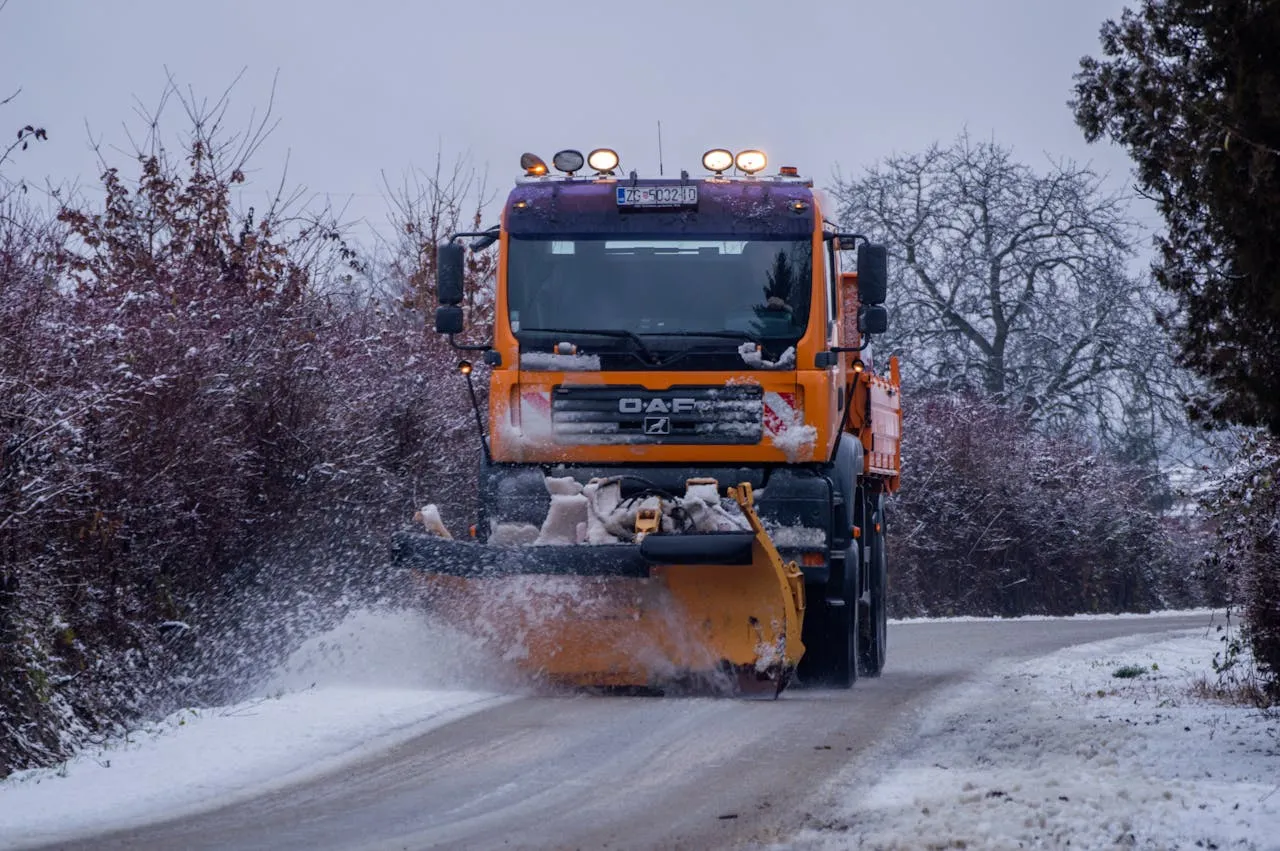
To maintain optimal conditions at the arena and surrounding infrastructure, Mercedes-Benz Arocs dump trucks from the CharterWay rental fleet were deployed for extensive winter service operations. Their primary responsibilities included clearing snow from key traffic routes, relocating large snow volumes within the venue, and transporting excess snow away from high-activity zones. Even after the World Cup competitions concluded, the trucks continued operating in support of subsequent sporting events, demonstrating the sustained logistical demands associated with hosting winter sports at an international level.
The scale of the Oberhof event highlights why such robust support systems are essential. Approximately three hundred athletes representing twenty-seven nations registered to compete, accompanied by coaches, technical teams, officials, media personnel, and thousands of spectators. Maintaining safe and efficient movement across the venue required constant snow management, especially given the unpredictable and often severe winter weather typical of the region. Pathways for athletes, service vehicles, emergency access routes, spectator areas, and broadcast infrastructure all had to remain reliably accessible—tasks that demanded both precision planning and dependable equipment.
Heavy-Duty Engineering Built for Winter Challenges
The Mercedes-Benz Arocs is specifically designed for demanding off-road and construction-site environments, making it particularly well suited to large-scale winter operations like those required in Oberhof. Its rugged frame construction, powerful drivetrain configurations, and adaptable chassis options enable the truck to perform reliably in snow-covered, icy, and uneven terrain. High-traction drive systems, multiple differential locks, and specialized off-road features allow operators to maintain stability and control even on steep gradients or slippery forest paths surrounding the arena.
Such capabilities become especially valuable in confined or technically challenging environments. Narrow access roads, tight maneuvering spaces within stadium infrastructure, and variable ground conditions require vehicles that combine strength with agility. The Arocs addresses these demands through responsive steering, precise handling, and ergonomically optimized driver controls designed for long operational shifts. These characteristics not only improve efficiency but also enhance safety for drivers and event personnel working in harsh winter conditions.
Operational endurance is another defining factor. Winter maintenance during a global sporting event is rarely a short-term task; instead, it involves continuous monitoring and repeated intervention as snowfall, temperature fluctuations, and heavy foot traffic reshape the terrain. The durability and reliability engineered into the Arocs platform allow crews to sustain round-the-clock operations without compromising performance—an essential requirement when competition schedules and broadcast timelines leave little room for disruption.
CharterWay’s Flexible Rental Model
The Arocs trucks deployed in Oberhof were supplied through Mercedes-Benz CharterWay, the rental and service division operated by Daimler Truck Financial Services. CharterWay manages a nationwide fleet of roughly 6,000 commercial vehicles and provides customers with flexible mobility solutions tailored to varying operational needs. These solutions range from short-term rentals for temporary projects or seasonal requirements to long-term arrangements that support ongoing logistics and infrastructure work.
For event organizers, this flexibility is particularly valuable. Major sporting events often require specialized equipment for limited timeframes, making outright vehicle ownership impractical. CharterWay’s rental model allows organizers to access modern, fully serviced trucks precisely when needed, reducing both financial risk and administrative complexity. Maintenance, servicing, and fleet management are integrated into the offering, enabling event teams to focus on operational execution rather than vehicle upkeep.
In addition to conventional diesel-powered vehicles, CharterWay’s portfolio increasingly includes battery-electric trucks. Around 150 electric units are already part of the fleet, reflecting a broader strategic shift toward low-emission transport solutions. Models such as the Mercedes-Benz eActros 600 illustrate how heavy-duty logistics can evolve toward greater sustainability without sacrificing capability. The continued expansion of electric offerings positions CharterWay as a comprehensive “Truck-as-a-Service” provider aligned with the transport sector’s long-term decarbonization goals.
Logistics Behind a Global Sporting Event
The Biathlon World Cup in Oberhof is organized in collaboration with Oberhofer Sport und Event GmbH (OSE), which oversees planning, infrastructure, and operational coordination. From snow preparation and spectator management to media broadcasting and athlete services, the event represents a complex logistical ecosystem. Reliable transport and snow-clearing capacity are fundamental components of this system, ensuring that competition schedules proceed smoothly and that safety standards are consistently maintained.
International television coverage and strong on-site attendance further amplify the importance of flawless execution. Any disruption—whether caused by blocked access routes, unsafe walking surfaces, or delayed logistics—could quickly impact athletes, spectators, and global audiences alike. By supporting continuous snow management and transport operations, the Mercedes-Benz Arocs fleet contributes directly to the seamless experience expected of a premier winter sports event.
Beyond the World Cup itself, Oberhof’s role as a venue for youth and student competitions underscores the lasting value of such infrastructure support. Maintaining high-quality conditions for emerging athletes helps nurture the next generation of biathlon talent while reinforcing the region’s reputation as a dependable host for international sport. Continued deployment of the trucks after the headline competitions demonstrates how logistical planning extends well beyond the main event window.
Engineering, Service, and Sport in Partnership
The collaboration between event organizers, logistics providers, and vehicle manufacturers illustrates how modern sporting events depend on integrated technical ecosystems. Athletic excellence may capture public attention, but it is supported by layers of engineering, planning, and operational expertise working quietly in the background. Trucks like the Mercedes-Benz Arocs exemplify this hidden infrastructure—machines engineered not for spectacle, but for reliability under pressure.
At the same time, the presence of advanced commercial vehicles at high-visibility international events highlights broader trends within the transport and manufacturing sectors. Increasing emphasis on sustainability, service-based mobility models, and adaptable engineering solutions reflects changing expectations across industries. Winter sports logistics, with their demanding environmental conditions and precise timing requirements, provide a real-world testing ground for these innovations.
As the 2026 Biathlon World Cup in Oberhof demonstrated, success in global sport is not determined solely by the athletes competing on the course. It also depends on the unseen systems that keep venues functioning, spectators safe, and schedules intact. Through durable engineering, flexible service solutions, and ongoing technological evolution, Mercedes-Benz trucks once again proved their value in this critical supporting role—ensuring that when the world’s best biathletes take aim, everything around them runs exactly as it should.
Source Link:https://www.daimlertruck.com/