
Kautex Textron Achieves Recognition for Climate Leadership and Water Stewardship
Kautex Textron has reached an important sustainability milestone by earning recognition for its climate leadership performance while simultaneously improving its standing in global water stewardship assessments, signaling continued progress in environmental responsibility across its manufacturing and operational footprint. The achievement reflects years of targeted investment in emissions reduction strategies, resource efficiency programs, and transparent environmental reporting aligned with internationally recognized disclosure frameworks. As sustainability expectations intensify across the automotive and industrial supply chains, recognition from leading environmental benchmarking organizations demonstrates the company’s commitment to measurable progress rather than aspirational pledges, reinforcing confidence among customers, regulators, and investors seeking credible environmental performance.
Strengthening Environmental Transparency Through CDP Evaluation
Central to this recognition is the company’s performance in the CDP assessment process, widely regarded as one of the most influential global disclosure systems for corporate environmental impact, climate risk management, and water resource governance. Participation in CDP requires detailed reporting on greenhouse gas emissions, energy consumption, climate transition planning, water usage, and risk mitigation strategies, all evaluated against rigorous scoring methodologies designed to compare companies across industries and geographies. By improving its scores and earning climate leadership acknowledgment, Kautex Textron demonstrates not only operational improvements but also enhanced governance structures, data accuracy, and strategic alignment with global climate goals, positioning the organization among manufacturers that are proactively managing environmental risk rather than reacting to regulatory pressure.
Emissions Reduction and Energy Efficiency Initiatives
A major contributor to the improved climate performance has been the expansion of emissions reduction initiatives across production facilities, logistics networks, and supplier engagement programs. The company has implemented energy-efficient manufacturing technologies, optimized process controls, and increased the share of renewable or lower-carbon energy sources supporting operations where feasible. Continuous monitoring of energy intensity and emissions per unit of production enables targeted efficiency gains, ensuring sustainability improvements align with operational productivity rather than compromising competitiveness. Such integration of environmental and economic performance is increasingly essential within the automotive components sector, where customers demand lower lifecycle emissions while maintaining strict cost and quality expectations.
Advancing Water Stewardship and Resource Management
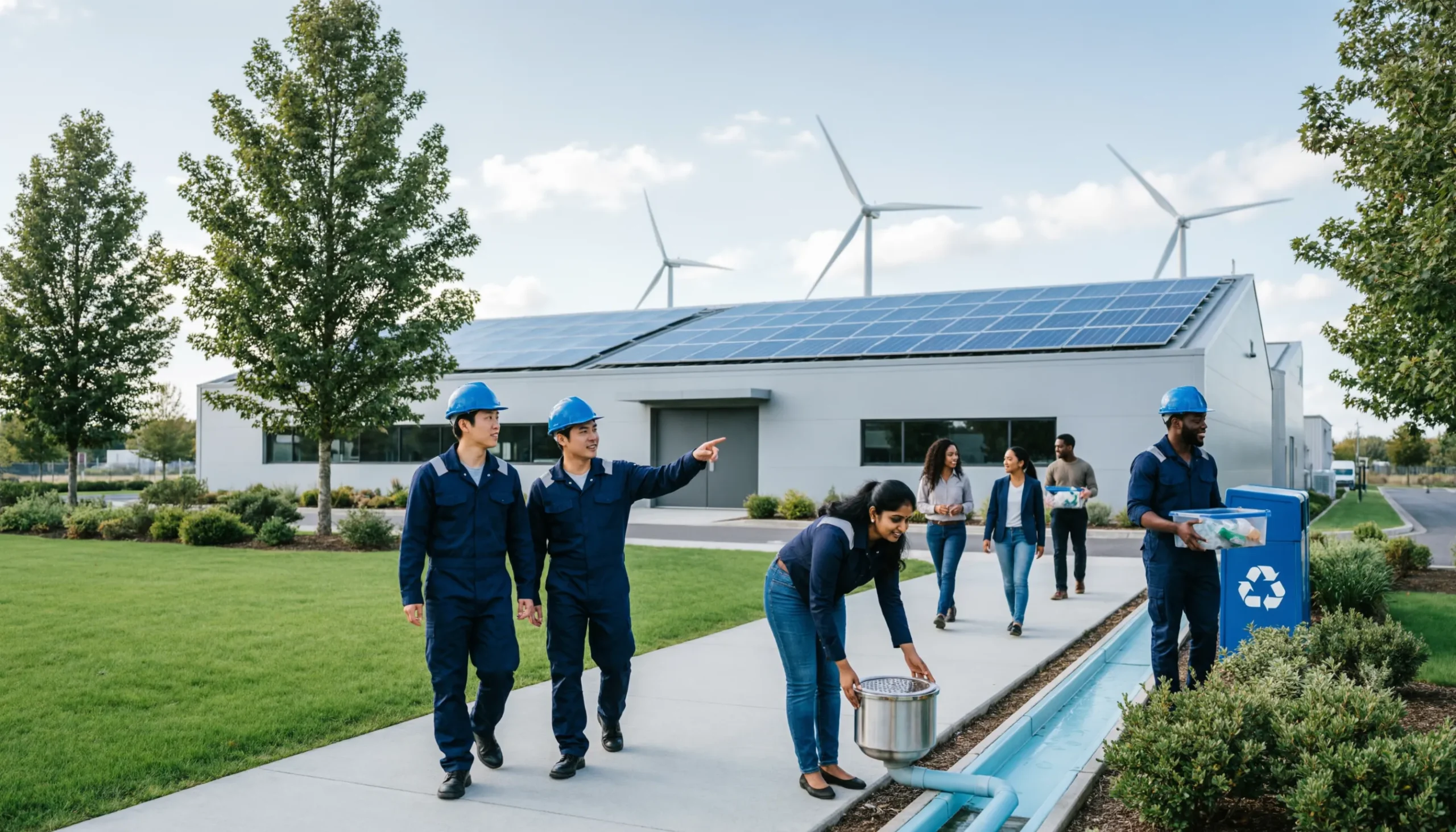
In parallel with climate leadership progress, Kautex Textron has strengthened its approach to water stewardship, resulting in a higher score within CDP’s water security evaluation. Manufacturing operations, particularly in plastics processing and component production, rely on consistent water availability for cooling, processing, and cleaning functions, making responsible water management both an environmental and operational priority. The company has advanced water recycling systems, leak detection technologies, and site-specific conservation strategies tailored to local watershed conditions, helping reduce withdrawal intensity and improve discharge quality. Enhanced risk assessments related to water scarcity, flooding, and regulatory change further support long-term resilience, ensuring facilities remain sustainable even in regions experiencing growing water stress linked to climate change.
Governance, Accountability, and Sustainability Integration
Improved CDP performance also reflects stronger governance frameworks embedding sustainability into executive oversight, operational decision-making, and enterprise risk management. Environmental targets are increasingly integrated with broader corporate strategy, supported by internal monitoring systems, cross-functional accountability, and transparent public disclosure. This governance evolution indicates a shift from compliance-driven sustainability toward value-creating environmental stewardship, where emissions reduction, resource efficiency, and circular economy principles contribute directly to long-term competitiveness. Stakeholders across the automotive ecosystem, including OEM customers and institutional investors, increasingly evaluate suppliers based on such governance maturity, making sustainability leadership a differentiating factor in commercial relationships.
Alignment with Automotive Industry Decarbonization Trends
Kautex Textron’s recognition occurs amid accelerating decarbonization across the global automotive industry, where electrification, lightweight materials, and circular manufacturing are reshaping supplier expectations. Component manufacturers must now demonstrate credible pathways to reduce Scope 1, Scope 2, and increasingly Scope 3 emissions while supporting vehicle platforms designed for lower environmental impact. By strengthening climate disclosures and operational performance, the company aligns with these evolving requirements, positioning itself as a partner capable of supporting customers’ science-based climate targets and sustainability reporting obligations. This alignment is particularly critical as regulatory frameworks in major markets tighten emissions standards and require greater transparency across value chains.
Operational Innovation Supporting Sustainability Progress
Technological innovation has played a key role in enabling measurable environmental improvements, including advanced process automation, digital monitoring of resource consumption, and material optimization strategies that reduce waste generation. Data-driven manufacturing allows facilities to identify inefficiencies in real time, accelerating corrective actions that lower both environmental footprint and operating cost. Integration of recycled or bio-based materials where technically feasible further contributes to lifecycle emissions reduction, reflecting broader industry movement toward circular material flows. These innovations illustrate how sustainability progress increasingly depends on engineering advancement and operational intelligence rather than standalone environmental programs.
Employee Engagement and Organizational Culture
Behind technical and governance improvements lies growing employee engagement in sustainability initiatives, with workforce participation supporting energy conservation, waste reduction, and environmental compliance at the facility level. Training programs, internal awareness campaigns, and performance incentives help embed sustainability thinking into everyday operational behavior, ensuring progress is sustained beyond individual projects or reporting cycles. Such cultural integration is often a defining factor separating temporary environmental gains from durable transformation, as consistent employee involvement strengthens accountability and innovation across global operations.
Implications for Customers, Investors, and Communities
Recognition for climate leadership and enhanced water stewardship carries meaningful implications beyond corporate reporting, influencing relationships with customers seeking low-carbon supply chains, investors prioritizing environmental risk management, and communities concerned about industrial environmental impact. Demonstrated improvement in globally recognized assessments can support preferred supplier status, access to sustainable finance mechanisms, and strengthened social license to operate in environmentally sensitive regions. As sustainability performance becomes increasingly material to financial valuation and procurement decisions, companies achieving credible progress may gain competitive advantages extending well beyond compliance.
Continuing the Path Toward Long-Term Sustainability Goals
While the latest recognition marks significant progress, it also represents a step within a longer sustainability journey requiring continuous improvement, innovation, and transparency. Future priorities are likely to include deeper emissions reductions aligned with global climate pathways, expanded renewable energy adoption, enhanced circular material strategies, and further strengthening of water resilience across high-risk regions. Ongoing participation in disclosure frameworks such as CDP will remain essential for benchmarking progress, identifying gaps, and maintaining stakeholder trust. Through sustained commitment to measurable environmental performance, Kautex Textron positions itself to navigate the complex intersection of industrial growth, climate responsibility, and resource stewardship shaping the future of advanced manufacturing.
Source Link:https://investor.textron.com/