

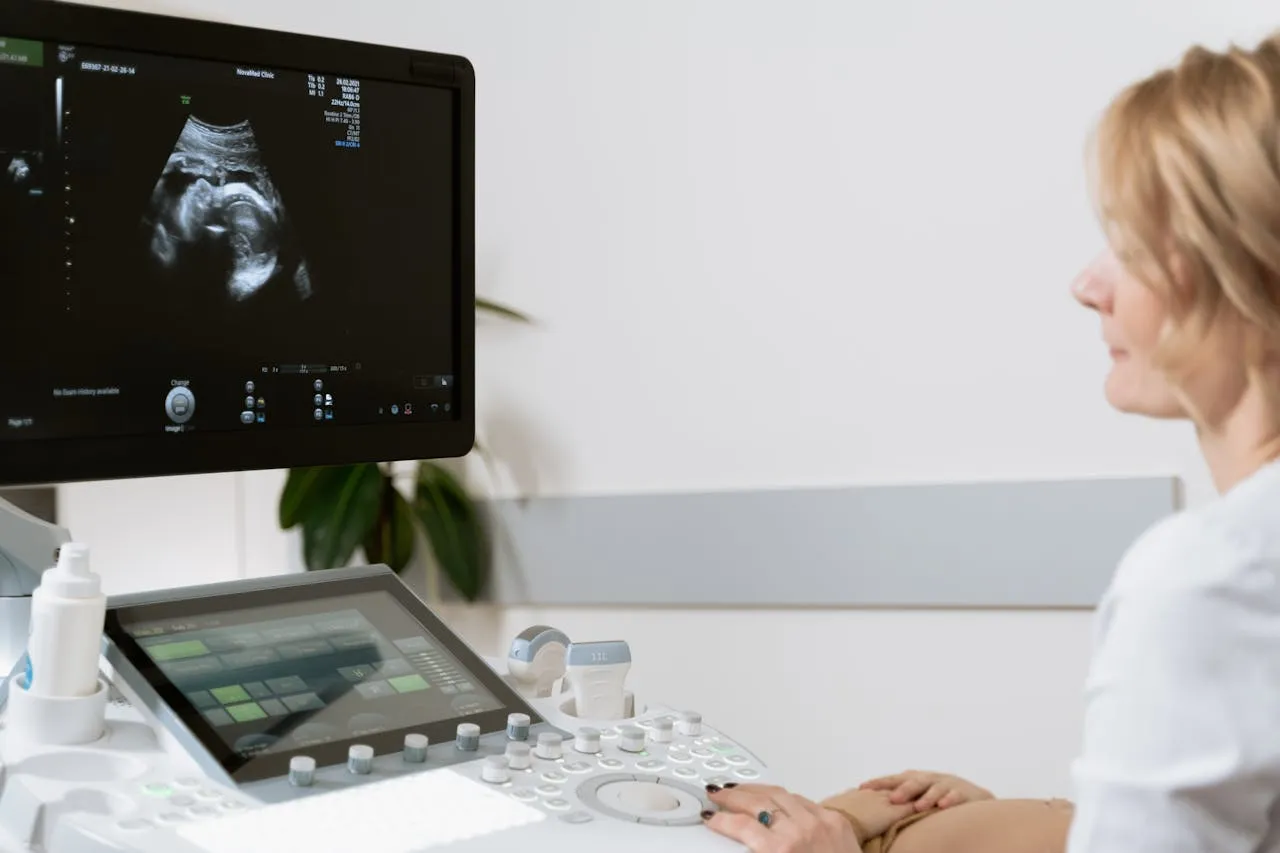
GE HealthCare has unveiled a significant update to its Imaging 360 platform, introducing a series of sophisticated artificial intelligence (AI) enhancements designed to transform the operational efficiency of modern radiology departments. As imaging volumes rise and staffing shortages continue to challenge healthcare systems worldwide, the company’s AI-driven upgrades aim to relieve administrative strain, improve workflow consistency, and help hospitals deliver higher-quality care without requiring additional resources. This latest evolution of Imaging 360 underscores GE HealthCare’s long-standing commitment to integrating advanced software intelligence with its medical imaging hardware portfolio.
At the heart of the upgrade is AI Discoveries, a new suite of analytical and automation capabilities embedded within Imaging 360. These features use machine learning and data intelligence to identify patterns in resource usage, highlight workflow bottlenecks, and surface opportunities to optimize radiology operations. By balancing device utilization across a hospital’s imaging fleet, recommending improvements to scheduling slot times, and promoting standardized protocol execution, the platform is designed to give clinicians and hospital leaders actionable insights that can be implemented immediately. GE HealthCare emphasizes that the ultimate goal of these AI features is not merely efficiency for its own sake—it is about returning time, focus, and energy to clinicians so they can spend more time with patients.
The company’s updated platform is built on a robust technical foundation that combines advanced machine learning models, clustering algorithms, predictive statistical analyses, and decision-tree logic. Together, these tools allow Imaging 360 to interpret vast amounts of imaging data and operational metrics in real time. The system then translates those findings into clear, practical recommendations that are easy for radiology departments to adopt. GE HealthCare describes this AI-powered evolution as a “deliberate innovation” that fully aligns with its broader mission: delivering integrated digital and hardware solutions that enhance the lifetime value of imaging equipment while supporting clinical decision-making and day-to-day workflow management.
Scott Miller, CEO of Solutions for Enterprise Imaging at GE HealthCare, highlighted the meaningful impact the expanded platform is expected to have. “Imaging 360 continues to advance to address the evolving operational challenges of radiology departments. Our latest AI-powered release is designed to streamline repetitive tasks, reduce administrative burden, and help alleviate staff fatigue—so clinicians can dedicate more time to patient care,” he noted. His remarks emphasize a core truth of the modern healthcare landscape: operational improvements are inseparable from clinical improvements.
Centralized Insight and Fleetwide Optimization
One of the most significant advantages of Imaging 360 powered by AI is the unified view it provides across a hospital’s entire imaging fleet. Instead of relying on scattered data sources or manual tracking, radiology leaders can now assess fleet performance, utilization patterns, and workflow health from a single access point. This comprehensive visibility allows hospitals to:
- Detect and prevent machine downtime before it affects patient appointments
- Identify gaps in scheduling that may lead to underutilization
- Correct resource imbalances, such as disproportionate staffing at certain scanners
- Make informed decisions about equipment allocation, upgrades, or replacements
By bringing all imaging data under one umbrella, Imaging 360 enables hospital administrators and imaging managers to transition from reactive problem-solving to proactive planning. This shift is especially valuable in high-volume imaging environments where even small inefficiencies—like repeat scans due to protocol variation or idle scanner time—can collectively add up to substantial productivity losses.
Three Core Capability Areas Enhanced by AI
The newest release of Imaging 360 organizes its capabilities into three major functional pillars, each strengthened by artificial intelligence:
1. Operations
AI Discoveries actively analyzes workflow patterns to identify outliers or inefficiencies that may be slowing down imaging services. Once detected, the platform not only notifies users but also provides recommended corrective actions. This assists radiology teams with:
- Automating repetitive analysis tasks
- Improving staff allocation and daily scheduling
- Anticipating potential workflow disruptions
- Prioritizing tasks that yield the greatest operational improvements
2. Protocol Management
Consistency in imaging protocols is crucial for diagnostic accuracy and minimizing unnecessary rescans. Imaging 360’s AI-enabled protocol management tools help hospitals enforce standardization across their entire scanner fleet. By allowing imaging leaders to manage, update, and distribute protocols from a single centralized point, the platform reduces the need for physical travel between sites and ensures uniform execution. This drives:
- Greater protocol adherence
- Reduced variation across sites
- More predictable image quality
- Improved patient throughput
3. Remote Connectivity
The platform enhances collaboration by enabling remote access, allowing imaging specialists to support complex cases—even across different geographic locations. With teams connected virtually, hospitals can share expertise more efficiently, scale specialized knowledge, and improve the handling of advanced imaging exams without requiring staff to be onsite.
Improving Standardization and Care Quality
One of the most widely recognized challenges in radiology is the variability of imaging protocols. Differences in how exams are performed can result in inconsistent image quality, longer exam times, or the need for rescans—all of which impact operational efficiency and patient experiences. The AI capabilities within Imaging 360 aim to address this by continuously monitoring protocol use across the fleet and identifying areas where standardization could be strengthened.
Global users who have adopted Imaging 360 are already observing meaningful improvements. Dr. Andreas Zabel, Radiologist and Head of CT at The Kantonsspital St. Gallen, highlighted the value of the platform’s consistency. “There’s more consistency. So, the standards are more equal in all our sites and hospitals; also the uncertainty has reduced, and the collaboration between the teams at different hospitals has increased,” he said. His experience reinforces the idea that harmonized imaging practices do more than streamline operations—they help unify clinical teams and improve the continuity of care.
Driving Confidence Through Data-Centered Leadership
For hospital executives and radiology leaders tasked with managing growing imaging demands, Imaging 360’s AI enhancements offer a strategic advantage. With clearer visibility into equipment performance, protocol compliance, and predicted workflow bottlenecks, leaders can make confident, data-driven decisions. The ability to access comprehensive analytics also supports long-term planning, helping institutions evaluate whether they need additional equipment, staff training, or workflow adjustments.
This emphasis on centralized intelligence also positions Imaging 360 as an indispensable tool for healthcare systems operating across multiple sites. Whether managing a network of urban hospitals or coordinating between a main campus and satellite facilities, the platform offers a unified, scalable foundation for operational coordination.
GE HealthCare will showcase the latest version of Imaging 360 powered by AI at the Radiological Society of North America’s (RSNA) 2025 Annual Meeting, held from November 30 to December 4 in Chicago. Attendees visiting booth 7334 will have the opportunity to experience firsthand how the upgraded platform can influence imaging workflows, operational efficiency, and clinical outcomes. RSNA, being one of the world’s largest radiology conferences, serves as an ideal stage for GE HealthCare to demonstrate its continued leadership in imaging innovation.
Source link: https://www.gehealthcare.com/