
GE HealthCare and Diagnoly Collaborate to Advance AI-Powered Fetal Ultrasound Solutions
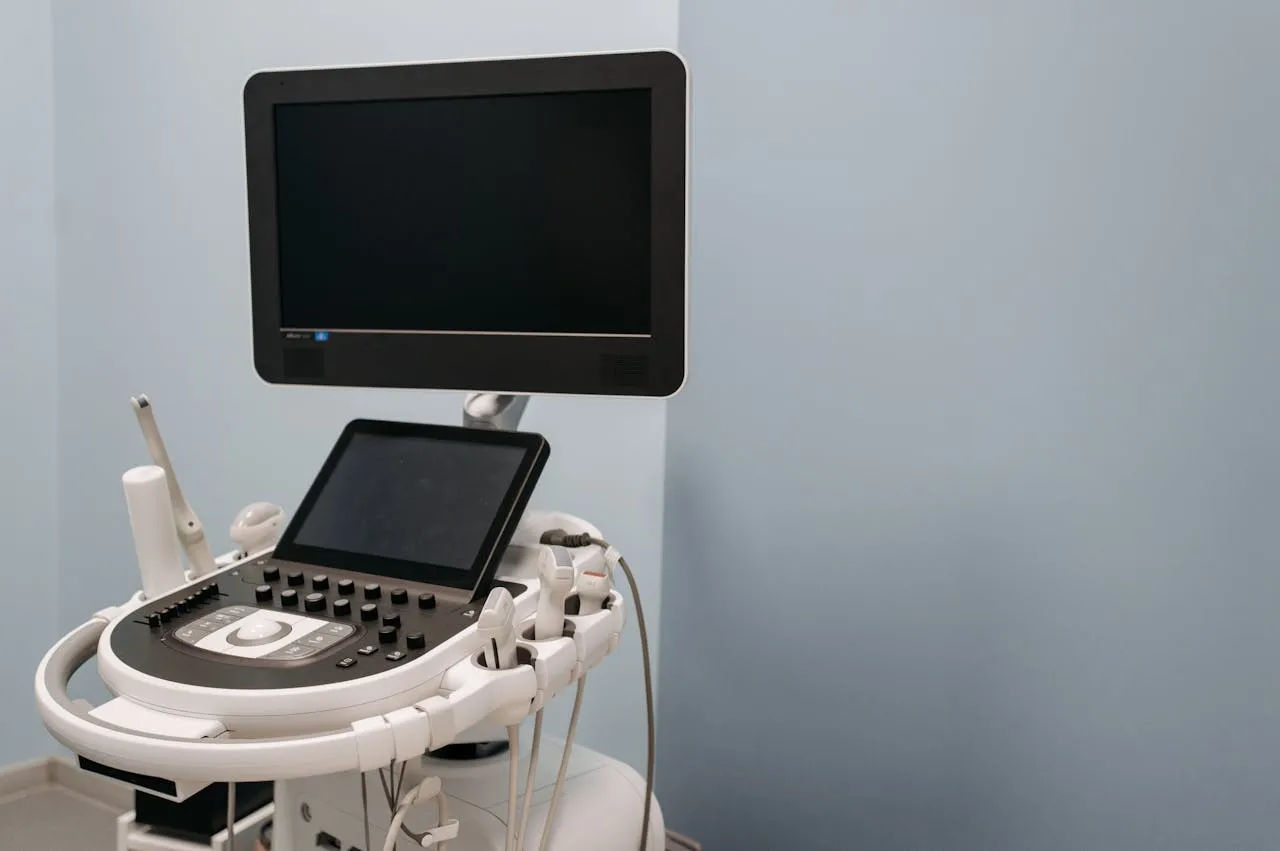
GE HealthCare has announced a new collaboration with Diagnoly, an emerging DeepTech innovator focused on artificial intelligence–driven prenatal screening, in a move designed to expand the role of AI within fetal ultrasound examinations. The agreement centers on accelerating the integration of Diagnoly’s Fetoly™ technology into GE HealthCare’s widely used Voluson™ women’s health ultrasound systems, signaling a broader push to enhance clinical precision, workflow efficiency, and diagnostic confidence across prenatal care.
This partnership reflects a growing momentum within healthcare toward embedding intelligent software directly into core diagnostic tools. Ultrasound imaging remains one of the most essential and frequently used modalities throughout pregnancy, providing clinicians with continuous insight into fetal development, anatomical structure, and early indicators of congenital abnormalities. From routine growth monitoring to detailed structural screening, ultrasound plays a central role in guiding clinical decision-making and supporting maternal-fetal health outcomes.
Despite its importance, fetal ultrasound assessment is not without challenges. Clinical variability, differences in operator experience, fetal position and movement, and physical factors such as maternal abdominal wall thickness can all influence image quality and exam completeness. These variables may complicate interpretation and contribute to missed or delayed detection of abnormalities. As healthcare systems worldwide face increasing demand alongside workforce constraints, technologies that can support consistency and efficiency in prenatal imaging are becoming increasingly valuable.
Artificial intelligence has emerged as a transformative force capable of addressing many of these long-standing limitations. By automating measurement acquisition, guiding image capture, verifying exam completeness, and assisting with anomaly detection, AI-enabled ultrasound tools can help standardize examinations while reducing cognitive and operational burden on clinicians. GE HealthCare’s collaboration with Diagnoly is positioned within this broader technological evolution, aiming to deliver real-time, clinically meaningful AI support directly within routine obstetric workflows.
According to Gerald Seifriedsberger, General Manager of Women’s Health Ultrasound at GE HealthCare, AI is rapidly reshaping what is achievable in medical imaging and clinical care. He emphasized that GE HealthCare has been actively advancing AI-powered innovations designed to support clinicians, improve diagnostic confidence, and ultimately elevate patient outcomes. The collaboration with Diagnoly, he noted, represents a meaningful extension of this strategy by embedding advanced prenatal screening intelligence into the Voluson ultrasound ecosystem—technology already trusted by healthcare professionals around the world.
At the center of the partnership is Fetoly™, Diagnoly’s real-time AI solution engineered to support comprehensive and standardized fetal ultrasound examinations. The system is designed in alignment with guidelines from the International Society of Ultrasound in Obstetrics and Gynecology (ISUOG), ensuring that its analytical framework reflects globally recognized clinical standards. Fetoly provides AI-driven support for evaluating critical fetal structures, particularly the heart and brain, while continuously monitoring image quality and confirming whether required anatomical views have been successfully obtained.
This real-time verification capability is especially significant. Traditional ultrasound examinations rely heavily on the operator’s ability to manually ensure that all required views and measurements are captured. AI-assisted verification introduces an additional layer of quality assurance, helping clinicians confirm exam completeness before concluding a scan. Such functionality has the potential to reduce repeat examinations, streamline workflow, and improve diagnostic reliability—benefits that can translate directly into better patient experiences and more efficient healthcare delivery.
Ivan Voznyuk, Co-Founder and CEO of Diagnoly, highlighted the dual nature of obstetric ultrasound as both a powerful and inherently complex imaging modality. While ultrasound remains indispensable for prenatal care, he noted that a substantial proportion of fetal abnormalities still go undetected during pregnancy. Diagnoly’s mission centers on leveraging AI to close this gap by making high-quality screening more accurate, consistent, and broadly accessible. Integrating Fetoly into GE HealthCare’s Voluson systems, Voznyuk explained, reflects a shared commitment to equipping clinicians with intelligent, real-time decision support capable of improving maternal and fetal outcomes.
The collaboration also underscores a broader shift toward ecosystem-based healthcare innovation. Rather than developing standalone software tools, technology companies and medical device manufacturers are increasingly working together to embed AI capabilities directly into clinical hardware platforms. This approach allows clinicians to access advanced analytics within familiar workflows, minimizing disruption while maximizing adoption and clinical impact. For GE HealthCare, integrating Diagnoly’s technology into Voluson systems strengthens an already robust women’s health imaging portfolio while reinforcing the company’s strategic focus on AI-enabled care.
Regulatory clearance represents another important milestone for the technology. Fetoly has received U.S. Food and Drug Administration 510(k) clearance and carries CE marking, indicating conformity with key safety and performance standards in major global markets. These approvals not only validate the solution’s clinical readiness but also support broader deployment across healthcare systems seeking trusted AI-enabled diagnostic tools.
Accessibility is further enhanced through availability on the Voluson Solution Store as well as major mobile application platforms, where Fetoly can be accessed via a free trial. This distribution model reflects evolving expectations within healthcare technology, where clinicians increasingly expect flexible, software-driven innovation that can be evaluated and adopted with minimal barriers. By lowering the threshold for trial and implementation, GE HealthCare and Diagnoly aim to accelerate real-world clinical use and feedback.
The timing of the announcement aligns with one of the most prominent gatherings in maternal-fetal medicine. Voluson ultrasound systems integrated with Fetoly technology will be showcased at the 2026 Society for Maternal-Fetal Medicine (SMFM) Pregnancy Meeting, held February 8–13 in Las Vegas. The conference provides a global मंच for clinicians, researchers, and healthcare innovators to explore emerging advances in prenatal care, making it a strategic venue to demonstrate AI-driven ultrasound capabilities to the medical community.
Beyond the immediate clinical implications, the collaboration reflects deeper structural trends reshaping healthcare delivery. Rising patient volumes, workforce shortages, and growing expectations for early and accurate diagnosis are placing unprecedented pressure on imaging services. AI-enabled automation and decision support are increasingly viewed not merely as technological enhancements but as essential tools for sustaining quality care in complex healthcare environments.
Women’s health, in particular, has become a focal point for innovation. Historically underrepresented in research and technology development, the field is now seeing accelerated investment in diagnostics, imaging, and digital health solutions tailored to maternal and reproductive care. AI-assisted fetal ultrasound represents one of the most promising frontiers within this transformation, offering the possibility of earlier detection, improved monitoring, and more personalized clinical pathways during pregnancy.
For clinicians, the integration of AI into ultrasound workflows may help reduce variability between operators and institutions—an important step toward more equitable healthcare outcomes. Standardized imaging guidance and automated quality checks can support less experienced practitioners while enabling specialists to focus on complex interpretation and patient management. Over time, such capabilities could contribute to narrowing disparities in prenatal diagnostic accuracy across regions and healthcare settings.
From a technological perspective, real-time AI analysis within ultrasound imaging presents unique challenges and opportunities. Unlike retrospective image analysis, real-time processing must operate seamlessly during live scanning without interrupting workflow or compromising image acquisition speed. Achieving this balance requires sophisticated algorithm design, efficient computing integration, and careful clinical validation—areas where collaborations between AI specialists like Diagnoly and imaging leaders like GE HealthCare become particularly powerful.
The long-term vision extends beyond individual features or products. As AI continues to evolve, future ultrasound systems may incorporate increasingly comprehensive decision-support ecosystems—combining anatomical analysis, risk prediction, longitudinal monitoring, and integration with electronic health records. Partnerships such as the one between GE HealthCare and Diagnoly lay foundational groundwork for this next generation of intelligent prenatal imaging.
Ultimately, the significance of the collaboration lies in its potential clinical impact. Every improvement in early detection, diagnostic confidence, or workflow efficiency carries meaningful implications for families navigating pregnancy. Enhanced fetal assessment can support earlier intervention planning, more informed clinical counseling, and improved preparation for specialized care when needed. In this sense, AI-enabled ultrasound is not simply a technological advancement but a patient-centered evolution in prenatal medicine.
As GE HealthCare and Diagnoly move forward with integration and clinical deployment, the collaboration highlights a broader narrative shaping modern healthcare: the convergence of medical expertise, advanced imaging, and artificial intelligence to deliver more precise, consistent, and accessible care. Within the field of maternal-fetal medicine—where timely insight can profoundly influence lifelong outcomes—such innovation holds particular promise.
The unveiling of AI-enhanced Voluson systems at the 2026 SMFM Pregnancy Meeting marks an important milestone, but it also represents just one step in an ongoing journey. Continued research, clinician feedback, and real-world implementation will shape how AI ultimately transforms prenatal imaging. What remains clear is that collaborations bridging DeepTech innovation and established medical imaging leadership are poised to play a defining role in the future of women’s healthcare.
Through this partnership, GE HealthCare and Diagnoly are contributing to a vision in which intelligent technology works quietly alongside clinicians—enhancing expertise, improving consistency, and helping ensure that every pregnancy benefits from the most advanced diagnostic insight available.
Source Link:https://www.gehealthcare.com/