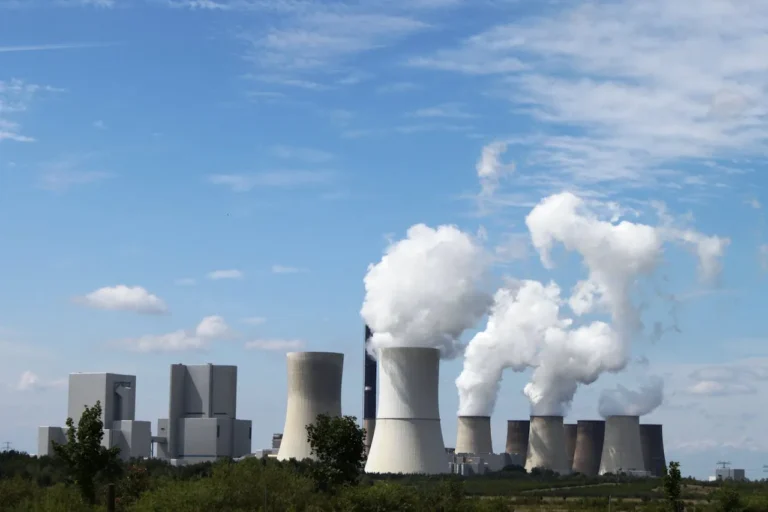


Global Gas and Steam Turbine Market Forecast 2025-2030: Innovation and Growth Trends
The “Gas and Steam Turbine: Global Markets” report has recently been added to ResearchAndMarkets.com’s offerings, providing a comprehensive view of the market, technological advancements, and the competitive landscape. The global market for gas and steam turbines is estimated to be valued at USD 31 billion in 2025 and is projected to reach USD 37.5 billion by 2030, reflecting a compound annual growth rate (CAGR) of 3.4% over the forecast period.
This market is driven by the growing global demand for electricity, the adoption of advanced turbine technologies, and the ongoing industrialization and electrification initiatives across multiple sectors. Gas and steam turbines are central to power generation, industrial processes, and aviation, offering high efficiency, reliability, and flexibility. They play a critical role in energy transition strategies, particularly as operators explore hybrid systems, combined-cycle plants, and alternative fuels such as ammonia.
Scope and Objectives of the Report
The report analyzes the global gas and steam turbine market in depth, focusing on both technological and competitive aspects, as well as economic and regulatory trends that influence market growth. For gas turbines, the analysis considers technology, capacity, and end-user segments, whereas the steam turbine market is evaluated by cycle type, capacity, and sector application.
A regional analysis is included, covering North America, Europe, Asia-Pacific, and the Rest of the World, which comprises South America, the Middle East, and Africa. The study provides insights into current market conditions, future growth drivers, and factors influencing regional demand. The base year for the report is 2024, with market estimates for 2025 and forecasts extending to 2030. All values are presented in U.S. dollars (millions).
Key Findings and Market Insights
The report provides an in-depth analysis of market trends, historical revenue data for 2024, estimates for 2025, and projections through 2030. It examines the market size and revenue potential, with detailed breakdowns by turbine type, technology, capacity, cycle, end user, application sector, and region. Additionally, the report evaluates market dynamics, technological advancements, regulatory frameworks, and macroeconomic impacts.
Porter’s Five Forces analysis is included to provide insight into competitive pressures in the market. This includes evaluating the bargaining power of buyers and suppliers, the threat of new entrants, competition among existing players, and the potential for substitutes. The impact of U.S. tariffs on turbine equipment and components is also examined, providing a comprehensive perspective on the external factors influencing the market.
Market Drivers and Opportunities
Several factors are driving the growth of the global gas and steam turbine market. First, the demand for electricity continues to rise worldwide, fueled by industrialization, urbanization, and the expansion of renewable energy sources. Gas and steam turbines are integral to conventional and hybrid power generation systems, offering high efficiency and operational flexibility.
Technological advances are another key driver. Innovations in micro steam turbines, ammonia-powered gas turbines, and high-efficiency combined-cycle plants are expanding the applicability of these systems. In particular, ammonia-fueled turbines are gaining attention as the energy sector explores low-carbon alternatives. Emerging technologies also focus on enhanced thermal efficiency, reduced emissions, and integration with smart grid systems.
The market also benefits from opportunities in combined-cycle power plants, cogeneration, and industrial applications where steam turbines can be used for both electricity generation and process heat. Industrial expansion in developing economies further supports turbine deployment, creating demand for both gas and steam systems across utilities, manufacturing, oil and gas, and aviation sectors.
Market Restraints and Challenges
Despite growth opportunities, the market faces challenges. Environmental regulations and concerns over emissions limit the adoption of traditional turbines in some regions. High initial investment costs, complex maintenance requirements, and the need for skilled workforce training also constrain market expansion. Additionally, integrating advanced technologies into existing infrastructure presents operational and financial challenges for many operators.
Emerging Technologies and Developments
The report highlights key technological advancements that are shaping the turbine market. For steam turbines, innovations include micro steam turbines, enhanced cycle designs, and high-efficiency systems. Gas turbines are seeing significant improvements in ammonia-fueled systems, which offer a pathway to lower carbon emissions. Patent analysis within the report identifies trends in innovation and highlights intellectual property activity, helping stakeholders understand competitive dynamics.
Market Segmentation Analysis
The gas turbine market is segmented by technology (open cycle, combined cycle), capacity (<120 MW, 121–300 MW, >300 MW), and end-user segments such as power utilities, oil and gas, manufacturing, aviation, and others. The steam turbine market is segmented by cycle type (simple cycle, combined cycle, cogeneration), capacity (<350 MW, 350–750 MW, >750 MW), and end-use sectors including utilities and industrial applications.
Geographic segmentation provides detailed insights into North America, Europe, Asia-Pacific, and the Rest of the World, offering a global perspective on demand drivers, emerging markets, and regional growth potential.
Competitive Landscape and Strategic Insights
The report includes a competitive intelligence section, detailing market shares, product mapping, and strategic initiatives of major players. Leading companies profiled include Ansaldo Energia, Baker Hughes Co., Doosan Enerbility, Fuji Electric Co. Ltd., GE Vernova, Kawasaki Heavy Industries Ltd., Mitsubishi Heavy Industries Ltd., Shanghai Electric, Siemens Energy, and Toshiba America Energy Systems Corp.
Strategic analysis covers mergers and acquisitions, partnerships, venture funding, and R&D investments, helping industry stakeholders understand market positioning, growth strategies, and competitive advantages. Contracts and project wins are also highlighted, providing insight into operational priorities and market influence.
Sustainability and ESG Trends
Sustainability and ESG considerations are becoming increasingly important in the turbine market. The report evaluates consumer attitudes toward environmental responsibility, risk ratings, and ESG practices of leading companies. Emphasis is placed on emissions reduction, energy efficiency, and governance practices, which are crucial for long-term market competitiveness and regulatory compliance.
The global gas and steam turbine market is poised for steady growth from 2025 through 2030, driven by technological innovation, rising electricity demand, and industrial expansion. The market’s projected increase from USD 31 billion in 2025 to USD 37.5 billion in 2030, at a CAGR of 3.4%, underscores the continuing relevance of turbines in power generation, industrial applications, and energy transition strategies.
Advancements in ammonia-powered turbines, micro steam turbines, and combined-cycle technologies position the market for both near-term growth and long-term transformation. Leading companies like GE Vernova, Siemens Energy, Mitsubishi Heavy Industries, and others are actively investing in R&D, sustainability, and strategic partnerships to maintain competitiveness in a rapidly evolving energy landscape. With ongoing innovation, regulatory support, and global industrial expansion, gas and steam turbines will remain critical to global energy infrastructure and industrial operations.
About ResearchAndMarkets.com
ResearchAndMarkets.com is the world’s leading source for international market research reports and market data. We provide you with the latest data on international and regional markets, key industries, the top companies, new products and the latest trends.
Source Link : https://www.businesswire.com/