
FAA Introduction to the Latest Flight Simulation Milestone
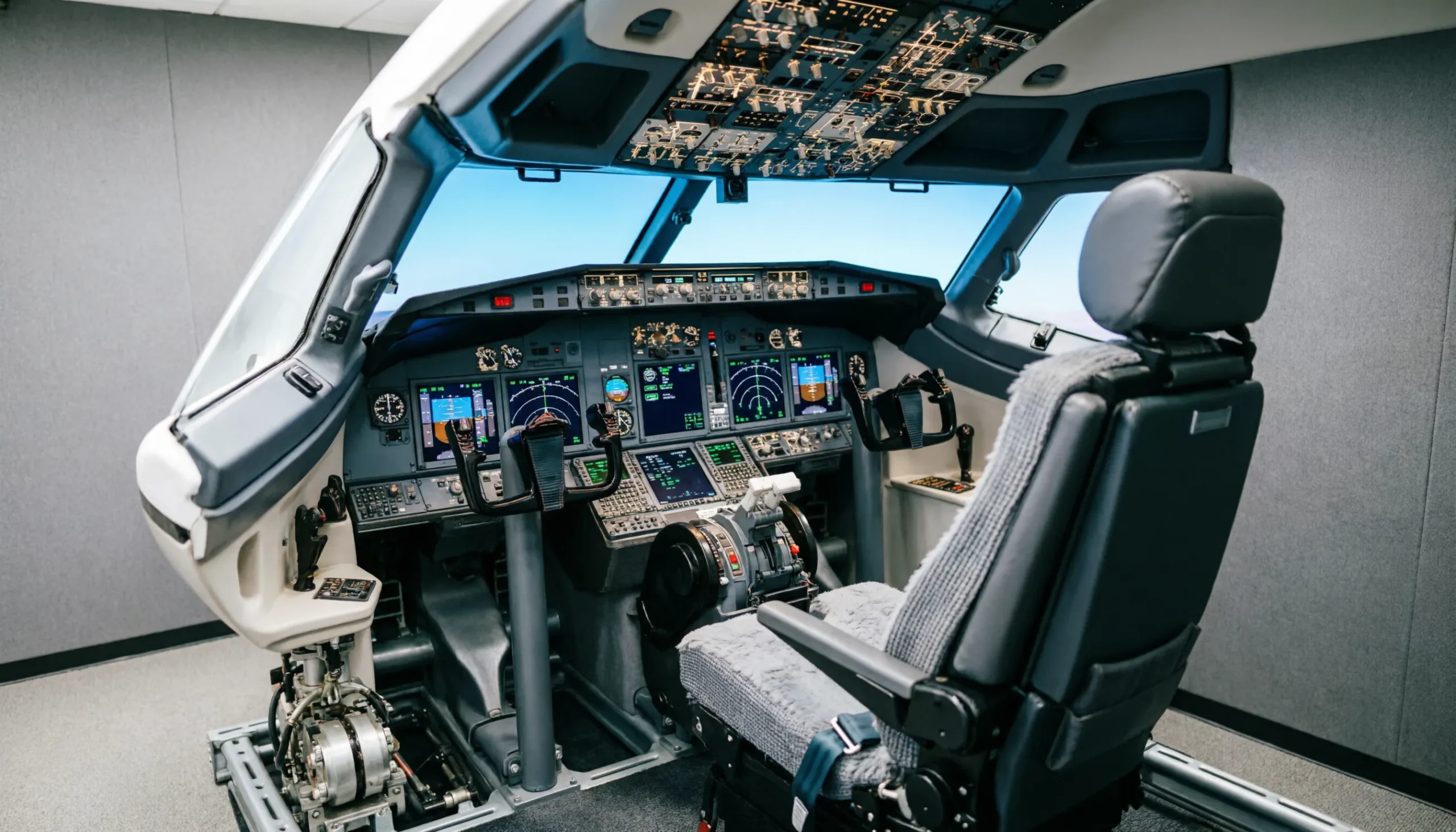
TRU Simulation + Training, a subsidiary of Textron Inc. and an affiliate of Textron Aviation, has announced a significant advancement in pilot training technology with the successful Federal Aviation Administration Level D qualification of its Full Flight Simulator designed for the Cessna Citation Ascend. This achievement represents an important step forward in expanding sophisticated training opportunities for pilots operating in the midsize business jet segment while reinforcing the broader commitment to safety, realism, and operational readiness across modern aviation environments. The Level D designation, awarded by the Federal Aviation Administration, is the highest standard available for flight simulators and confirms that the device replicates real aircraft performance, handling, and system behavior with exceptional fidelity, allowing pilots to complete extensive certification and recurrent training without the need for in-aircraft flight time.
Expanding Global Training Reach and Certification Pathways
The simulator’s qualification not only strengthens training infrastructure within the United States but also positions the platform for broader international adoption, with certification from the European Union Aviation Safety Agency expected in 2026. Once achieved, this additional regulatory approval will enable training centers across Europe and other EASA-recognized regions to deploy the simulator for type rating, recurrent instruction, and advanced scenario-based preparation. Such global alignment between regulatory bodies supports consistent pilot competency standards worldwide and ensures that operators of the Citation Ascend can access identical high-quality instruction regardless of geographic location. The anticipated expansion reflects the growing demand for scalable, technology-driven pilot development solutions as fleet modernization accelerates and training efficiency becomes increasingly vital for business aviation operators.
Leadership Perspective on Realistic Pilot Preparation
According to Jerry Messaris, vice president and general manager at TRU Simulation, pilots require training systems that fully mirror the technological sophistication and performance capabilities of next-generation aircraft. He emphasized that achieving FAA Level D qualification guarantees access to one of the most realistic simulation environments available, enabling flight crews to build confidence, refine procedural accuracy, and prepare for a wide spectrum of operational scenarios before entering live flight conditions. This perspective underscores a broader industry philosophy that immersive ground-based training is essential not only for regulatory compliance but also for elevating overall aviation safety, reducing operational risk, and improving long-term pilot proficiency.
Advanced Motion Technology Delivering True-to-Life Feedback
A defining feature of the Citation Ascend Full Flight Simulator is TRU Simulation’s proprietary REALCue motion system, engineered to provide highly accurate motion cues that replicate the physical sensations of flight. Utilizing a six-degrees-of-freedom electric motion platform equipped with long-stroke actuators, the system delivers nuanced acceleration, vibration, and orientation feedback corresponding precisely to aircraft behavior during taxi, takeoff, climb, turbulence, approach, and landing. This level of sensory realism is critical for developing correct pilot responses, spatial awareness, and muscle memory, particularly in abnormal or emergency situations where accurate perception of aircraft motion directly influences decision-making and control inputs. The electric architecture also offers advantages in reliability, maintenance efficiency, and environmental performance compared with traditional hydraulic systems, aligning simulator technology with modern sustainability and operational efficiency expectations.
High-Definition Visual Environment Enhancing Situational Awareness
Complementing the motion platform is a sophisticated visual system that employs high-definition projection across an expansive field of view, allowing pilots to experience detailed terrain, weather phenomena, airport lighting, and environmental effects with remarkable clarity. The wide panoramic display supports realistic depth perception and peripheral awareness, both of which are essential for accurate approach alignment, runway tracking, and low-visibility operations. By reproducing real-world visual cues under diverse operational conditions, the simulator enables pilots to rehearse complex scenarios such as night landings, adverse weather encounters, and congested airspace procedures in a completely controlled training environment. This capability strengthens preparedness while eliminating the operational risks and logistical constraints associated with practicing such scenarios in actual aircraft.
Instructor Operating Station Designed for Efficiency and Control
Instructor effectiveness is equally central to advanced simulator training, and the system incorporates a powerful Instructor Operating Station featuring dual touchscreen interfaces and a wireless remote control unit that allows instructors to manage scenarios dynamically from flexible positions within the training environment. Through this interface, instructors can introduce system failures, modify environmental conditions, monitor pilot performance metrics, and guide scenario progression in real time. The streamlined graphical design simplifies complex diagnostic and operational tasks, ensuring that training sessions remain focused, efficient, and adaptable to individual learning objectives. Integrated maintenance and testing capabilities, including support for Qualification Test Guide procedures and troubleshooting functions, further ensure consistent simulator readiness and regulatory compliance.
Strengthening the Training Ecosystem for Modern Business Aviation
The introduction of a Level D-qualified simulator tailored specifically to the Citation Ascend contributes meaningfully to the broader ecosystem of business aviation training. As aircraft systems grow more automated and digitally integrated, pilots must master increasingly sophisticated avionics, flight management logic, and performance optimization strategies. High-fidelity simulators allow operators to deliver this knowledge in structured, repeatable training programs that accelerate learning while minimizing operational disruption. Airlines and corporate flight departments alike benefit from reduced aircraft downtime, lower fuel consumption, and enhanced safety margins when training shifts from live aircraft to certified simulation platforms.
Supporting Safety, Compliance, and Operational Confidence
From a regulatory and operational standpoint, Level D simulation capability enables comprehensive rehearsal of emergency procedures that would be impractical or unsafe to conduct in real flight. Engine failures, hydraulic malfunctions, rapid decompression events, and complex system degradations can all be simulated with precise realism, allowing pilots to practice recognition, coordination, and recovery techniques repeatedly until mastery is achieved. This repetition is fundamental to aviation safety culture, ensuring that flight crews respond instinctively and correctly when confronted with real-world anomalies. The simulator therefore serves not merely as a training device but as a critical safety instrument embedded within the lifecycle of pilot qualification and recurrent evaluation.
Simulation-Driven Pilot Development
The successful qualification of the Citation Ascend Full Flight Simulator signals continued momentum toward simulation-centric training models across the aviation industry. Advancements in motion fidelity, visual rendering, data analytics, and remote instructional technologies are steadily transforming how pilots acquire and maintain skills. As regulatory authorities increasingly recognize the effectiveness of high-fidelity simulation, training programs are expected to incorporate even greater proportions of simulator-based instruction, reducing environmental impact while improving accessibility and scalability. The forthcoming EASA certification will further reinforce this trajectory by enabling harmonized international training standards and expanding deployment opportunities worldwide.
Reflecting Industry Progress and Commitment to Excellence
The FAA Level D qualification of TRU Simulation’s Full Flight Simulator for the Citation Ascend represents a meaningful convergence of technological innovation, regulatory achievement, and safety-driven training philosophy. By delivering unmatched realism through advanced motion systems, immersive visual environments, and instructor-centric operational design, the simulator elevates pilot preparedness for the evolving demands of midsize business aviation. As global certification progresses and adoption expands, this development stands as a clear indicator of the aviation sector’s enduring commitment to precision, safety, and continuous improvement in pilot training methodologies, ultimately supporting safer skies and more efficient flight operations for years to come.
Source Link:https://www.businesswire.com/