

Ford Expands Honeybee Conservation Efforts to Promote Biodiversity and Environmental Sustainability
Ford is expanding its efforts to support pollinators and promote biodiversity by introducing and maintaining honeybee hives at its facilities in Dearborn, Michigan. The initiative highlights how industrial sites can create opportunities for nature while supporting environmental stewardship and raising awareness about the important role pollinators play in healthy ecosystems.
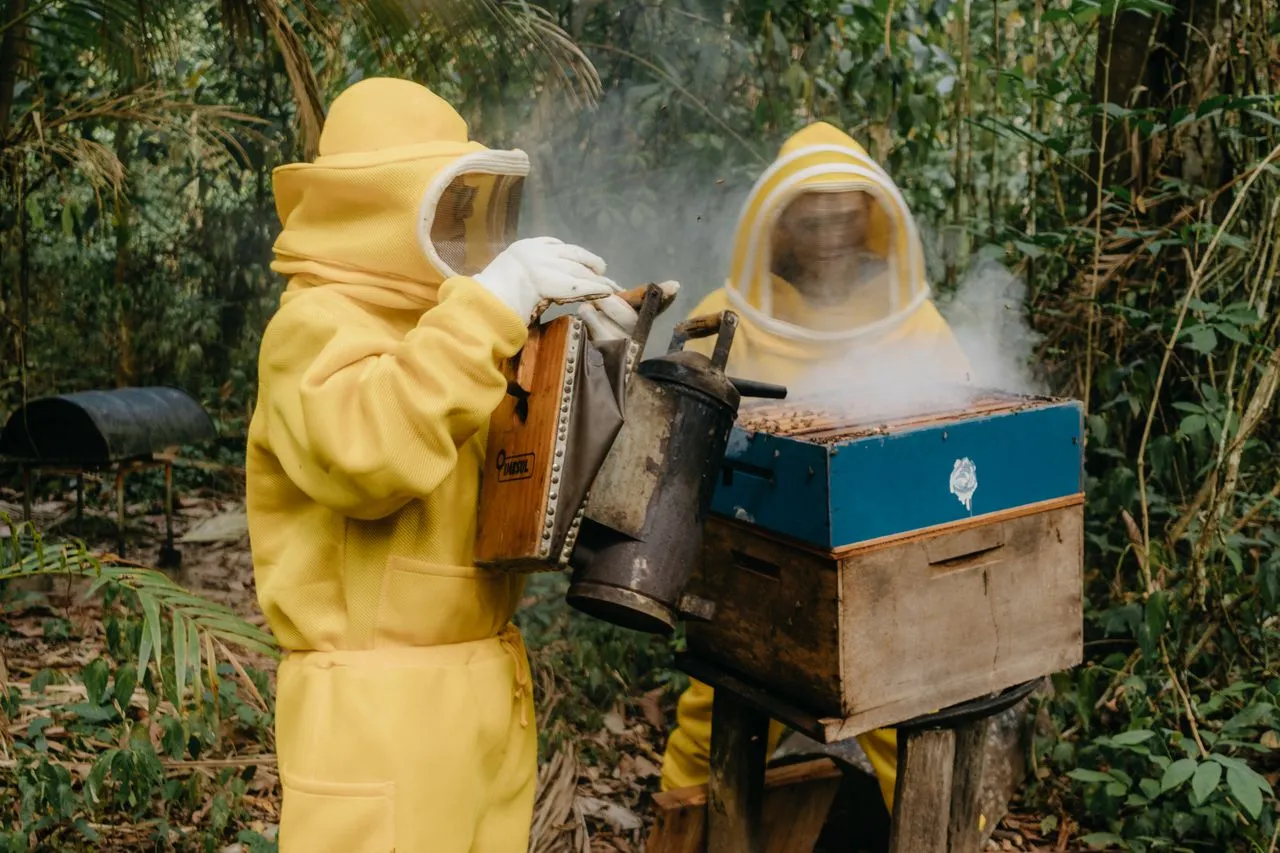
One memorable moment this summer brought that commitment into focus: standing alongside professional beekeeper Michael Sautter at the Henry Ford II World Center in Dearborn, wearing a protective veil and watching him lift a frame covered with honeybees. When a bee landed on a sleeve, the experience offered a reminder that even small creatures can have a significant impact on the environment. It also illustrated how Ford is exploring ways to make room for nature within its industrial landscape.
The company’s honeybee program is not entirely new. Ford previously maintained beehives at locations including the Glass House and the Rouge Complex. However, the program was paused during the COVID-19 pandemic. Last year, a team at the Rouge Complex brought the initiative back by reintroducing bees to the hives at its Visitor Center. The success of that effort encouraged Ford’s Dearborn team to establish additional hives at the Henry Ford II World Center.
Today, Ford hosts 12 honeybee hives across the Rouge Complex and the Henry Ford II World Center. Six new hives were established at the World Center campus in April 2026. At the height of summer, each hive can accommodate up to 60,000 bees. Collectively, the hives are expected to produce approximately 800 to 1,400 pounds of honey during the season.
While honey production is an important outcome, the broader objective extends beyond harvesting honey. Ford’s initiative focuses on supporting pollinators, strengthening biodiversity, and demonstrating how manufacturing companies can contribute to environmental sustainability through practical action.
Creating an Oasis for Biodiversity in an Industrial Environment
Honeybees play an important role in pollinating flowering plants, helping trees and other vegetation reproduce and supporting the ecosystems that depend on them. Their activity can benefit surrounding landscapes, making suitable habitats an important consideration when establishing and maintaining healthy colonies.
According to professional beekeeper Michael Sautter, a single honeybee hive may have as many as 20,000 forager bees working to collect nectar and pollen from flowering plants. Their activity can extend across an area approximately three to five miles from the hive, allowing them to reach a wide range of plants and vegetation.
This pollination activity can help support plant reproduction and contribute to healthier local ecosystems. However, maintaining honeybee colonies requires more than installing hives. Bees need access to sufficient nectar and pollen throughout the season, along with appropriate conditions to support their health.
When Ford approached Sautter through the Michigan Beekeepers Association approximately two years ago to help support the Rouge Complex initiative, he initially questioned whether the industrial area could provide enough food for the bees.
“At first, we weren’t sure there was enough nectar and pollen for the bees to forage in the area,” Sautter said. “But the bees, and Ford, proved us wrong.”
The results demonstrated the value of the surrounding habitat. Ford’s sunflower plantings, native pollinator gardens, and the “living lab” orchard outside the Rouge Visitor Center provided important forage opportunities for pollinators. These green spaces helped create conditions in which honeybees and other pollinators could coexist alongside an active industrial operation.
The Rouge hives produced more than 400 pounds of honey last year. For the current season, Sautter expects production to increase to approximately 600 to 700 pounds from the Rouge site.
The experience reinforces an important lesson for companies considering similar environmental initiatives: habitat plays a central role in supporting pollinators. As Sautter explained, providing places where bees can forage is one of the most important elements of a successful program.
By combining beehives with flowering plants, native gardens, and other green spaces, Ford is demonstrating how industrial properties can incorporate features that support biodiversity while continuing to serve their primary operational purposes.
Raising Awareness About the Importance of Pollinators
Building on the success of the Rouge Complex program, Ford introduced six new honeybee hives at the Henry Ford II World Center campus in April 2026. The expansion brought the company’s pollinator initiative to another Dearborn location and created an opportunity to engage employees directly with the project.
On July 23, Ford hosted an on-site event where employees could learn about the hives, meet Sautter, and sample honey. The gathering offered participants a closer look at honeybee colonies and the work required to maintain them.
For Sautter, one of the most valuable aspects of the initiative is the opportunity to educate people about pollinators and their contribution to the environment.
“There were some really well-thought-out questions from people who attended,” he said. “One of the best things about having the beehives at Ford is that it brings attention to the importance of pollinators.”
Employee engagement is an important part of the initiative because environmental awareness can extend beyond the physical presence of the hives. By giving employees opportunities to observe the bees and speak with a professional beekeeper, Ford helps make pollinator conservation more tangible.
The event also provided a chance to discuss the relationship between pollinators, flowering plants, and the wider ecosystem. Understanding these connections can help people recognize why maintaining suitable habitats matters, including in places traditionally associated with manufacturing and industrial activity.
Ford’s approach combines practical habitat development with opportunities for education and participation. The hives serve as a visible example of how environmental stewardship can be integrated into a company’s facilities and employee activities.
Weekly Hive Management Helps Keep Bees Healthy
Maintaining 12 honeybee hives across two sites requires ongoing attention and specialized knowledge. The program is not simply a matter of installing hives and waiting for honey production. Regular inspections are necessary to monitor colony health, identify potential problems, and respond to changing conditions.
Sautter visits the hives weekly and sometimes twice a week. During these visits, he checks for mites, disease, and signs of swarming, which occurs when part of a colony leaves to establish a new colony elsewhere.
Each hive has its own conditions and challenges, meaning that inspections require careful observation and an understanding of bee behavior.
“When you have multiple hives, it’s like a soap opera,” Sautter said. “Every hive has something happening on any given day, and it’s up to you to figure out what it is and deal with it.”
This hands-on management is essential to maintaining healthy colonies throughout the year. Monitoring pests and diseases, observing colony behavior, and ensuring that the bees have suitable forage all contribute to the ongoing work required to sustain the program.
The commitment also demonstrates that successful pollinator initiatives depend on long-term management rather than one-time installation. Consistent care helps address emerging problems and supports the colonies as environmental conditions change through the seasons.
Ford’s Michigan Assembly Plant Considers Expanding the Initiative
The success of the honeybee program in Dearborn is already inspiring interest at another Ford facility. At the company’s Michigan Assembly Plant, environmental control engineer Jason Bennett is leading an effort to introduce additional beehives.
The facility recently installed a prairie garden at its entrance, creating habitat intended to support pollinators. The proposed addition of honeybee hives would build on that work by combining habitat development with a dedicated pollinator initiative.
“We recently installed a prairie garden at the facility entrance, creating an ideal habitat to support pollinators,” Bennett said.
“Incorporating beehives into this space is a natural extension of this work, and it demonstrates our ongoing commitment to environmental stewardship.”
The Michigan Assembly Plant initiative reflects the broader interest in incorporating biodiversity-supporting features into Ford’s industrial locations. Prairie gardens and other planted areas can provide flowering vegetation, while carefully managed beehives can create opportunities to raise awareness of pollinators and their ecological importance.
Any successful expansion will depend on suitable habitat, ongoing colony management, and access to the resources needed to maintain healthy bees. The experience gained at the Rouge Complex and Henry Ford II World Center provides a foundation for considering how similar efforts might be implemented at other sites.
Building a Better World Through Environmental Stewardship
Ford’s honeybee program demonstrates how a manufacturing company can incorporate environmental initiatives into its facilities while engaging employees and supporting local biodiversity. The 12 hives across the Rouge Complex and Henry Ford II World Center represent a growing effort to create spaces where pollinators can thrive alongside industrial operations.
The expected honey harvest of 800 to 1,400 pounds across the two Dearborn sites provides one measure of the program’s progress. Equally important, however, are the habitats that support the bees, the ongoing care provided by Sautter, and the awareness created through employee engagement.
From the restoration of the Rouge Visitor Center hives to the addition of six colonies at the Henry Ford II World Center, Ford’s experience highlights the value of combining practical environmental measures with long-term management. Interest at the Michigan Assembly Plant suggests that the approach could inspire further efforts to support pollinators across the company’s facilities.
By providing forage opportunities, maintaining healthy colonies, and encouraging employees to learn about pollinators, Ford is working to make biodiversity part of its broader environmental stewardship efforts. The initiative illustrates how industrial landscapes can include spaces that benefit nature, demonstrating that even small creatures such as honeybees can play a meaningful role in building a better world.