

J.D. Power Study Highlights Challenges in EV Home Charging Experience
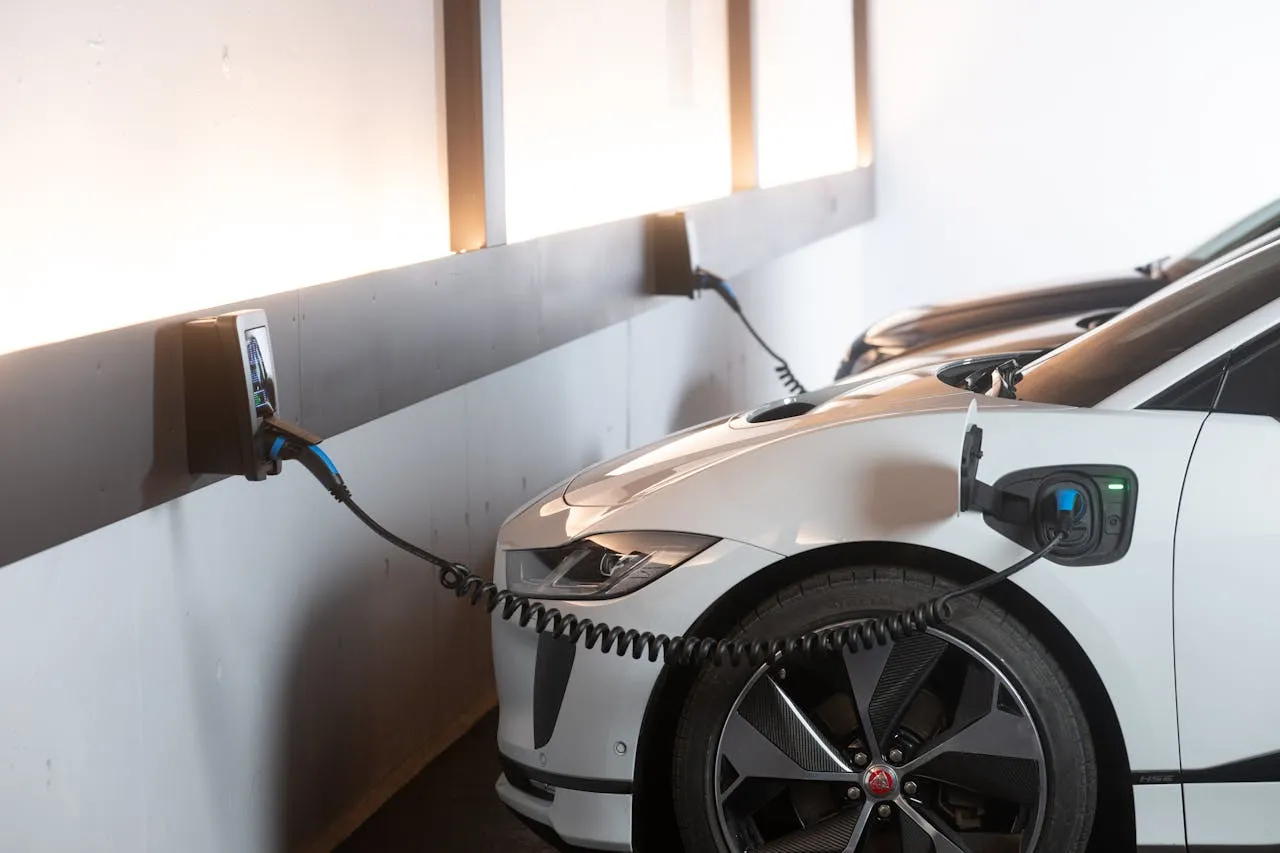
Home charging continues to serve as the foundation of the electric vehicle ownership experience, accounting for approximately 86% of all charging activity among EV owners, yet despite its importance, many users receive limited education on how to optimize home charging practices, resulting in missed opportunities to reduce costs and improve efficiency, and according to the 2026 U.S. Electric Vehicle Experience (EVX) Home Charging Study released by J.D. Power, overall satisfaction levels are declining across several charging segments, reflecting growing concerns around rising costs and limited adoption of optimization tools such as scheduled charging and utility incentive programs
Declining Satisfaction Across Charging Segments
The study reveals that satisfaction among users of Level 1 portable chargers has dropped to a score of 569 on a 1,000-point scale, representing a 12-point decline compared to the previous year, while satisfaction among Level 2 portable charger users has decreased slightly to 710, down 4 points year over year, and although Level 2 permanently mounted chargers maintain the highest satisfaction score at 733, their performance has remained relatively stable rather than improving, indicating that even the most advanced home charging solutions are not fully addressing user expectations as costs rise and complexity increases
Limited Consumer Education Impacts Optimization
A significant finding from the study is that only about 20% of EV owners report receiving any form of education or guidance on home charging from their vehicle purchasing dealer, highlighting a major gap in consumer awareness and support, and according to Brent Gruber, Executive Director of the EV Practice at J.D. Power, this lack of education prevents many owners from taking advantage of available options such as utility incentives, off-peak charging schedules, and upgrades to more advanced charging systems, all of which can significantly improve the overall ownership experience by reducing costs and enhancing convenience
Rising Charging Costs Drive Lower Satisfaction
The study indicates that the average monthly cost of home EV charging has increased to $63, up $5 compared to the previous year, contributing to a noticeable decline in satisfaction with charging costs, which has fallen to a score of 687, down 11 points year over year, and regional variations further highlight the impact of electricity pricing on customer sentiment, with EV owners in New England experiencing the highest average monthly costs at $99 and the lowest satisfaction score of 552, while those in the Mountain region benefit from significantly lower costs averaging $36 and correspondingly higher satisfaction levels at 771, demonstrating a clear correlation between cost and user satisfaction
Benefits of Scheduled Charging Remain Underutilized
Scheduled charging has emerged as a key strategy for improving both cost efficiency and user satisfaction, yet adoption remains inconsistent among EV owners, with only 38% reporting that they always schedule their home charging sessions, while 16% do so occasionally and 46% never use scheduling features at all, and the data shows that owners who consistently schedule charging achieve higher satisfaction scores averaging 734, compared to 706 for occasional users and 700 for those who never schedule charging, while also benefiting from lower average monthly costs, as those who always schedule charging spend approximately $65 compared to $71 among those who do not, illustrating the tangible financial and experiential advantages of optimizing charging times
Low Participation in Smart Charging Programs
Despite growing awareness of smart charging programs, which are designed to incentivize EV owners to charge during off-peak hours using connected technologies such as Wi-Fi-enabled chargers and vehicle telematics, participation remains relatively low, with 69% of EV owners indicating awareness of such programs but only 12% actually enrolled, and further compounding the issue is the fact that only half of EV owners report that their utility providers offer variable electricity rates or incentives for charging at different times of the day, limiting the availability of these cost-saving opportunities and slowing the adoption of smarter, more efficient charging practices
Advanced Chargers Deliver Higher Satisfaction Despite Issues
Level 2 permanently mounted chargers continue to achieve the highest satisfaction scores among all charging segments, yet they also exhibit the highest rate of reported problems, with 44.2 issues per 100 units, representing an increase of 5.2 problems compared to the previous year, and this higher problem rate is largely attributed to the advanced features integrated into these systems, including Wi-Fi connectivity, mobile applications, and smart charging capabilities, which introduce additional points of potential failure, yet despite these challenges, users of these systems report greater overall satisfaction due to their ability to actively manage and optimize their charging experience through scheduling, monitoring, and data-driven insights
Industry Implications for Automakers and Utilities
The findings of the study underscore the critical role that automakers, dealerships, and utility providers must play in improving the EV ownership experience by providing better education, support, and access to optimization tools, as enhancing consumer understanding of home charging options can lead to more efficient energy use, lower costs, and higher satisfaction levels, while also strengthening brand loyalty among EV owners, and as the adoption of electric vehicles continues to grow, the ability to deliver a seamless and cost-effective home charging experience will become increasingly important for maintaining customer satisfaction and driving long-term market success
Rankings in Level 2 Charging Segment
Within the Level 2 permanently mounted charger segment, which is the only category eligible for awards in this year’s study, Tesla ranks highest for the sixth consecutive year with a score of 771, followed closely by Emporia Energy with a score of 761 and ClipperCreek with a score of 760, reflecting strong competition among leading providers in delivering high-performance home charging solutions that meet the evolving needs of EV owners
Study Methodology and Scope
The U.S. Electric Vehicle Experience (EVX) Home Charging Study, now in its sixth year, is conducted in collaboration with PlugShare, a leading EV driver application and research firm, and serves as a benchmark for evaluating satisfaction with key attributes that influence the home charging experience for both battery electric vehicles and plug-in hybrid electric vehicles, with satisfaction measured across eight critical factors including charging speed, cord length, cost of charging, ease of use, ease of cable storage, fairness of retail pricing, reliability, and charger size, providing a comprehensive view of user experience and system performance, while the 2026 study is based on responses from 5,399 EV owners of model years 2020 through 2026 and was conducted between November 2025 and February 2026
The Path Forward for EV Home Charging
The study highlights a clear opportunity for the EV ecosystem to improve the home charging experience by increasing awareness and adoption of cost-saving strategies such as scheduled charging and smart charging programs, while also addressing the challenges associated with rising electricity costs and the complexity of advanced charging systems, and by leveraging data, technology, and education, industry stakeholders can help EV owners make more informed decisions, optimize their charging habits, and achieve a more satisfying ownership experience, ultimately supporting the continued growth and adoption of electric vehicles in a rapidly evolving transportation landscape
Source link:https://www.businesswire.com/