
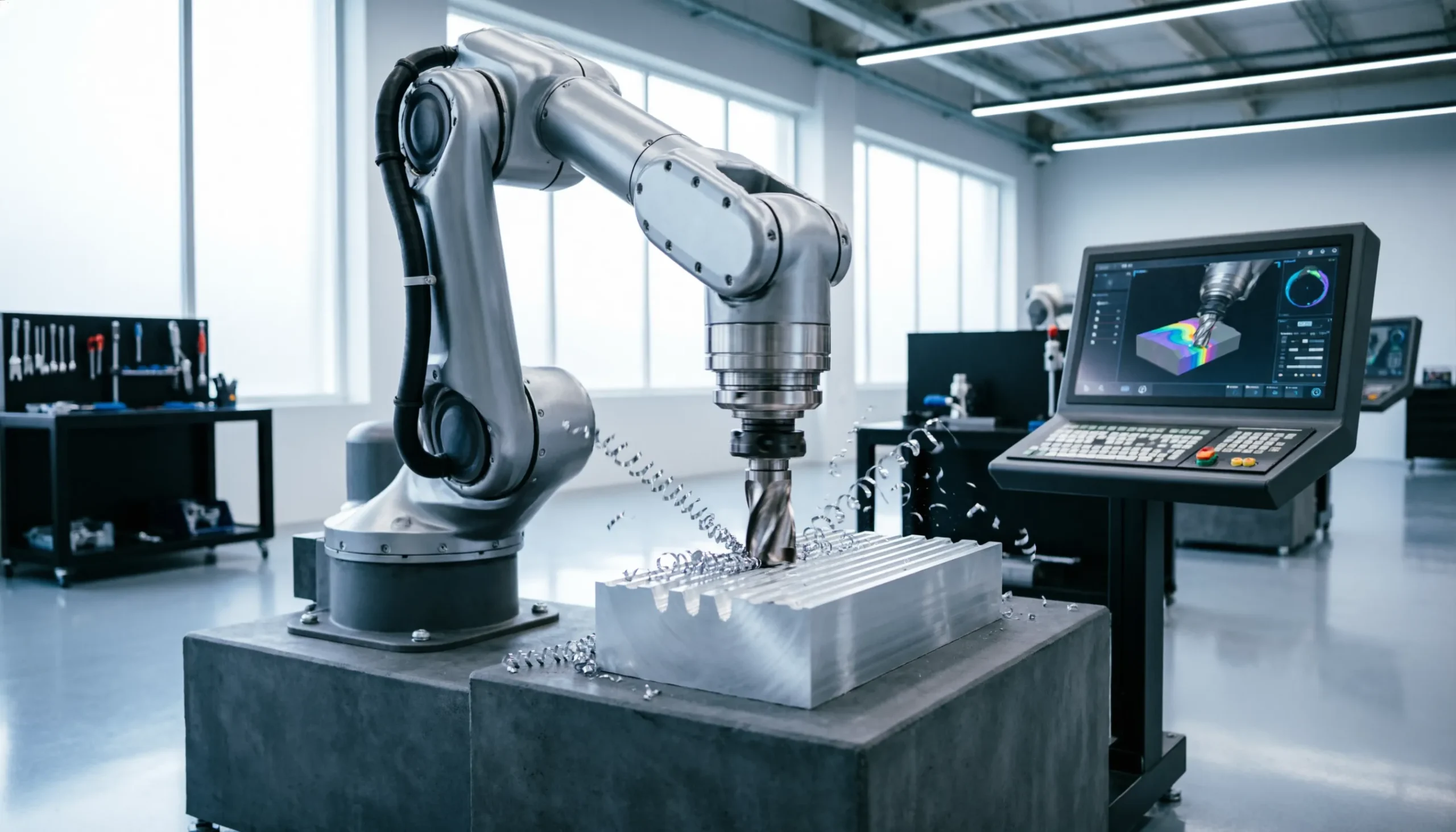
Introduction to RoboDK CAM and Its Purpose
RoboDK, a globally recognized provider of robot simulation and offline programming software, has introduced RoboDK CAM, an advanced and comprehensive solution engineered to dramatically reduce the time required to deploy automated robotic machining cells across modern manufacturing environments. Traditional robotic machining deployment typically involves complex programming workflows in which specialists must manually write robot instructions using vendor-specific programming languages for each robot model and end-effector configuration, creating costly delays, higher engineering overhead, and increased barriers to automation adoption. RoboDK CAM transforms this paradigm by automatically generating robot programs directly from CAD-based designs and validated digital simulations, allowing manufacturers, production engineers, and system integrators to move efficiently from product design to real-world machining execution without needing deep expertise in robotic programming languages or controller-specific syntax, thereby simplifying automation accessibility for organizations of varying technical maturity and scale.
Broad Machining Capabilities Within a Unified Environment
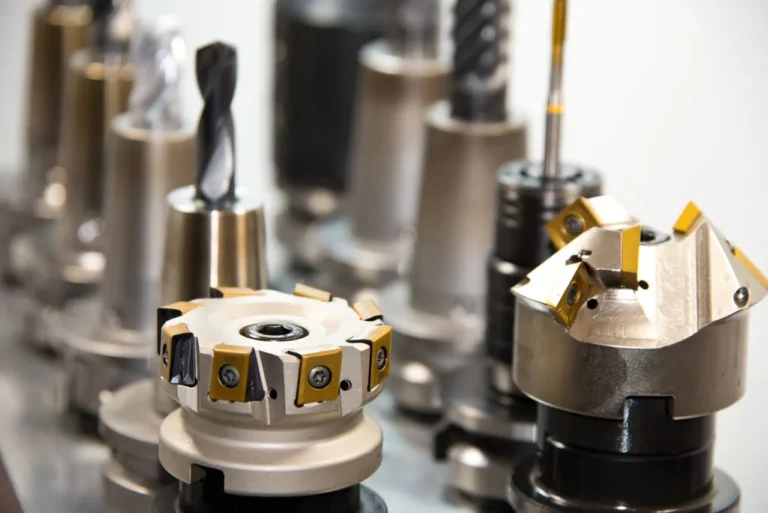
The RoboDK CAM platform supports an extensive spectrum of robotic machining processes that span subtractive, finishing, and additive manufacturing operations, including milling, drilling, cutting, trimming, deburring, polishing, and robotic material deposition, enabling manufacturers to consolidate multiple production capabilities into a single programmable robotic cell. Within one intuitive software environment, users can generate complex and optimized toolpaths, simulate complete machining cycles in three-dimensional space, perform collision detection across robots, tooling, fixtures, and workpieces, and seamlessly transition from basic three-axis machining strategies to advanced five-axis robotic motion planning without switching between multiple disconnected software tools. This unified workflow not only improves programming efficiency but also enhances process reliability by allowing engineers to validate machining logic digitally before executing any physical motion, reducing the likelihood of costly errors, damaged equipment, or production downtime while accelerating readiness for real manufacturing deployment.
Rapid Simulation and Testing to Replace Lengthy Commissioning
Historically, commissioning a robotic machining cell has required weeks of iterative testing, manual calibration, and repeated programming adjustments performed directly on the factory floor, consuming valuable engineering resources and delaying production readiness. RoboDK CAM replaces this slow and resource-intensive approach with high-speed digital validation, enabling users to configure machining cells, test robot motion, evaluate reachability, confirm collision-free execution, and verify machining accuracy inside a secure simulated environment in a matter of minutes rather than weeks. This capability dramatically compresses deployment timelines while also improving workplace safety, since potential risks are identified virtually before any physical system is activated, allowing manufacturers to refine processes confidently and move into production with far greater assurance of performance stability and repeatability.
Two Flexible Configurations for Different Manufacturing Workflows
RoboDK CAM is delivered in two distinct configurations designed to accommodate the varied operational structures found across manufacturing organizations, ensuring compatibility with both new robotic automation initiatives and established CAD/CAM-driven production ecosystems. The standalone configuration enables complete end-to-end management of the robotic machining workflow inside a single integrated interface, covering toolpath generation, surface machining optimization, accurate material stock tracking, full process simulation, and automated robot code creation, thereby providing a self-contained solution ideal for users seeking a streamlined and centralized automation platform. In contrast, the integrated configuration is tailored for machining professionals who rely on existing CAD/CAM environments and prefer to maintain familiar workflows while extending their capabilities to industrial robotics; through dedicated add-ins, RoboDK CAM connects seamlessly with leading design and manufacturing software systems, allowing engineers to continue using established programming methods while leveraging RoboDK’s powerful simulation and robot programming engine to convert traditional toolpaths into executable robotic motion.
Significant Reductions in Testing Time and Deployment Duration
Early adopters and testing partners evaluating RoboDK CAM have reported measurable performance improvements in robotic machining deployment efficiency, with testing durations reduced by as much as forty percent depending on the complexity of the automation scenario and overall deployment timelines shrinking from multiple days of configuration work to only minutes of validated preparation. These gains translate directly into faster production ramp-up, lower engineering labor costs, improved return on automation investment, and greater operational agility for manufacturers responding to changing product requirements or shorter product life cycles. By minimizing the technical and temporal barriers traditionally associated with robotic machining implementation, RoboDK CAM positions robotic automation as a practical and scalable solution not only for large industrial enterprises but also for small and mid-sized manufacturers seeking competitive productivity improvements.
Executive Perspective on Eliminating Robotic Programming Complexity
According to Albert Nubiola, the introduction of RoboDK CAM represents a major milestone in simplifying how robots are programmed for machining applications, emphasizing that while automation is widely recognized as a driver of efficiency, persistent challenges related to complex programming requirements and multi-vendor system integration have historically slowed adoption across the manufacturing sector. By directly addressing these obstacles through automated code generation, integrated simulation, and simplified workflow design, RoboDK CAM removes critical friction points that previously discouraged companies from implementing robotic machining, enabling broader participation in advanced automation and supporting more efficient, flexible, and resilient production systems.
Tangible Benefits for Manufacturers and System Integrators
For manufacturing organizations, RoboDK CAM delivers accelerated automation rollout, reduced unplanned downtime, faster iteration of machining strategies, and improved adaptability to new product geometries or production volumes, all of which contribute to stronger operational efficiency and cost control. System integrators likewise benefit from shortened project timelines, lower engineering complexity, and reduced commissioning effort, enabling them to deliver robotic machining solutions to customers more quickly while maintaining high reliability and performance standards. These combined advantages strengthen the overall robotics ecosystem by lowering implementation risk and enabling more predictable automation project outcomes across diverse industrial sectors ranging from aerospace and automotive to tooling, composites, and advanced materials processing.
Engineering Insight on Accessibility and Cost Efficiency
Sergei Kanivets highlights that RoboDK CAM is specifically designed to help manufacturers adopt robotic machining without requiring disruptive changes to their current production processes or software infrastructure, noting that because the solution is built upon the established RoboDK platform architecture, it can deliver a complete and capable CAM environment at a substantially lower cost than many traditional robotic machining software alternatives. This affordability, combined with simplified usability and powerful simulation capability, expands access to robotic automation for organizations that may previously have considered such technology financially or technically unattainable, thereby supporting broader industrial modernization.
Long-Term Vision for Democratizing Industrial Automation
Albert Nubiola further emphasizes that RoboDK’s broader mission centers on democratizing automation so that individuals with varying technical skill levels and companies of all sizes can successfully deploy robotic solutions within their operations, and RoboDK CAM represents a continuation of this strategic direction by making even advanced manufacturing applications significantly easier to implement. The company intends to continue expanding its portfolio with new tools, integrations, and intelligent automation capabilities that further reduce complexity, accelerate deployment, and empower manufacturers worldwide to achieve higher productivity, improved quality, and greater operational flexibility in an increasingly competitive global industrial landscape.
Source Link:https://www.businesswire.com/