
Boeing Secures Contract to Modernize C‑17A Globemaster III for Long-Term Service
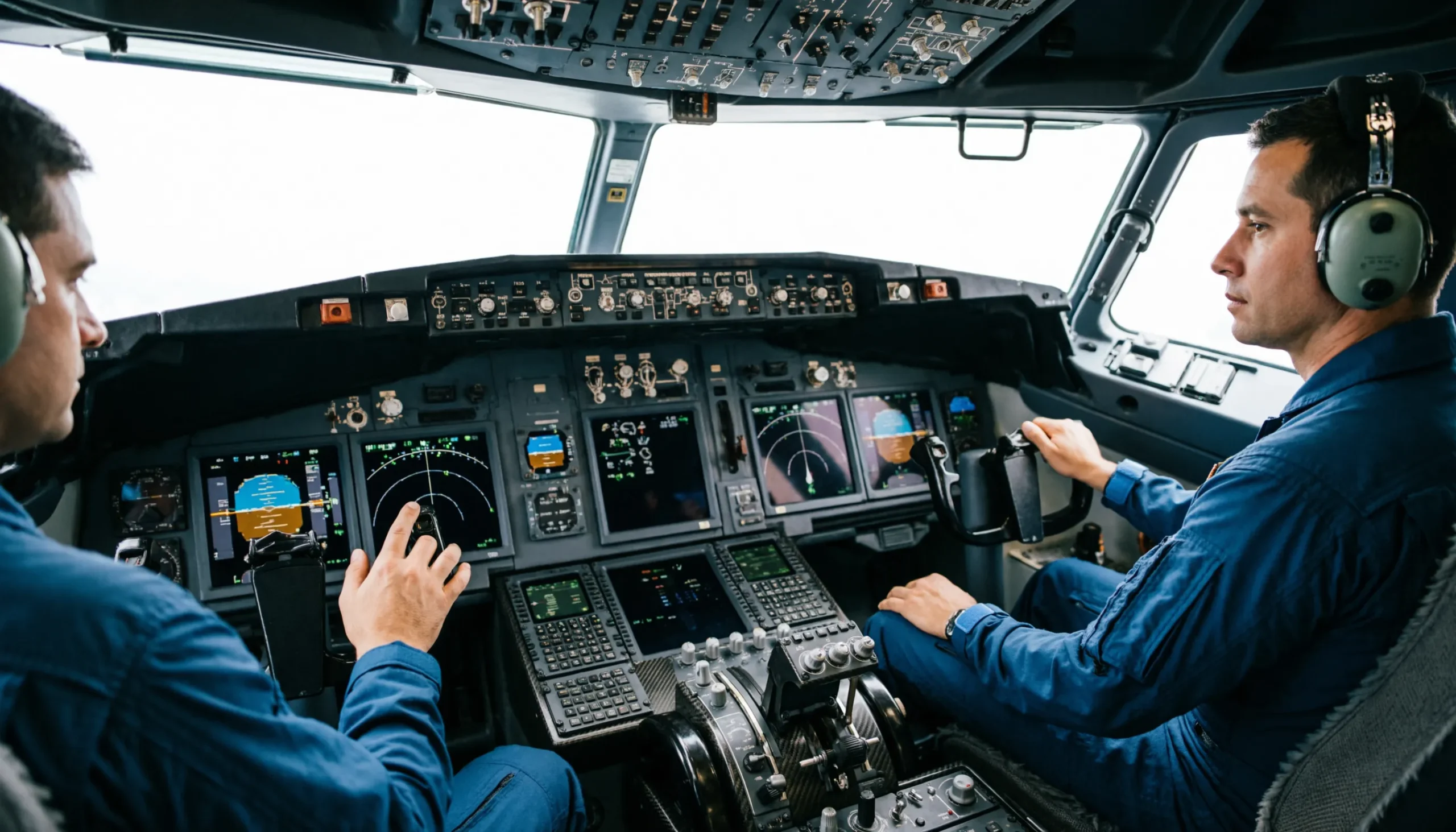
The Boeing Company today announced a significant contract award from the U.S. Air Force aimed at ensuring the C‑17A Globemaster III remains mission-ready and fully operational for decades ahead. This strategic contract underlines Boeing’s commitment to supporting global air mobility and maintaining the readiness of one of the U.S. Air Force’s most critical heavy-lift aircraft. The awarded program encompasses the design, manufacture, integration, qualification, and military certification of a modernized flight deck for the C‑17A fleet, representing a major step forward in sustaining this vital airlift capability for both domestic and international operations.
Modernizing the C‑17A Flight Deck
The scope of the contract focuses on replacing aging avionics and mission-essential equipment with state-of-the-art, modular open systems architecture (MOSA). By adopting MOSA, Boeing ensures the C‑17A can accommodate rapid, cost-effective upgrades and new capabilities without extensive rework, enabling plug-and-play integration of future technologies. This modernization approach addresses the growing challenge of avionics obsolescence while simultaneously improving operational efficiency, reliability, and maintainability for the fleet.
Preserving a Proven Heavy Airlifter
The C‑17A has been the backbone of global air mobility for over three decades,” said Travis Williams, Vice President of United States Air Force Mobility & Training Services at Boeing. “With the U.S. Air Force requirement to keep the C‑17A viable through 2075, we already have a clear and achievable roadmap to support their needs, and the needs of our international partners around the globe. By resolving avionics obsolescence and introducing MOSA, we’re preserving a proven, highly dependable, heavy airlifter and keeping it at the forefront of performance and efficiency for decades to come.” This statement emphasizes the strategic importance of the program in maintaining the aircraft’s operational excellence while ensuring compatibility with emerging technologies and evolving mission requirements.
A Legacy of Airlift Excellence
Since its introduction, Boeing has delivered a total of 275 C‑17A aircraft between 1993 and 2015. Of these, 222 were acquired by the U.S. Air Force, and 53 were delivered to international partners, including allied nations across multiple continents. This global distribution has created a well-established, fully integrated virtual fleet support system, enhancing mission readiness, logistics coordination, and maintenance efficiency across nine partner nations. The new modernization program is designed to integrate seamlessly with this existing support framework, ensuring consistency, reliability, and interoperability for both U.S. and international operators.
Enhancing Operational Capabilities Through MOSA
Modular open systems architecture represents a paradigm shift in aircraft modernization. By designing systems to accommodate modular upgrades, Boeing allows for rapid adoption of emerging technologies without large-scale modifications. This capability is critical for mission-essential avionics and operational systems, enabling the fleet to remain adaptable to new threats, mission requirements, and technological advancements. MOSA’s plug-and-play design ensures that future enhancements can be implemented affordably and efficiently, reducing downtime and lifecycle costs while maintaining peak performance standards for the C‑17A.
Commitment to Long-Term Fleet Viability
The C‑17A modernization initiative is not only about upgrading technology but also about extending the operational lifespan of a proven platform. Boeing’s approach prioritizes long-term sustainability, balancing innovation with reliability. By systematically addressing avionics obsolescence and introducing modern modular systems, the company ensures that the C‑17A remains a highly capable, mission-ready airlifter well into the mid-21st century. This program aligns with the U.S. Air Force’s strategic goal of maintaining a globally responsive, agile, and technologically advanced airlift capability through 2075 and beyond.
Global Impact and Strategic Partnerships
The modernization of the C‑17A fleet has implications beyond the United States. International partners operating the aircraft will benefit from enhanced interoperability, standardized maintenance procedures, and upgraded mission capabilities. This collaborative framework reinforces strategic alliances, improves multinational response capabilities, and ensures a consistent operational standard across all partner nations. Boeing’s integrated fleet support system already facilitates global logistics, maintenance, and technical support, and the modernization program strengthens this foundation for years to come.
Boeing’s Role in Aerospace Innovation
As a leading global aerospace company and top U.S. exporter, Boeing continues to drive innovation, economic opportunity, and technological advancement across commercial, defense, and space sectors. Developing, manufacturing, and servicing aircraft like the C‑17A is complemented by Boeing’s commitment to safety, quality, and integrity. The company’s U.S. and global workforce, together with an extensive supplier network, contributes to sustainable practices, community impact, and continuous improvement in aerospace technology. Through programs such as the C‑17A modernization, Boeing exemplifies its dedication to maintaining operational excellence while fostering innovation in aerospace and defense solutions worldwide.
Future-Ready Air Mobility Solutions
By modernizing the C‑17A Globemaster III, Boeing ensures that the U.S. Air Force and its international partners can continue to rely on a capable, flexible, and technologically advanced heavy-lift aircraft. The modernization program enables the fleet to respond to evolving global challenges, deploy rapidly across continents, and support humanitarian, military, and strategic operations effectively. Boeing’s investment in MOSA and flight deck modernization reflects a forward-looking vision, ensuring that the C‑17A remains a central component of air mobility strategy for decades to come.
Commitment to Excellence and Reliability
The modernization initiative is emblematic of Boeing’s broader commitment to maintaining a culture of excellence, integrity, and safety. Each phase of the program—from design and integration to qualification and military certification—is executed to the highest standards, ensuring the C‑17A fleet continues to perform reliably under the most demanding conditions. By addressing both technological obsolescence and operational requirements, Boeing is securing the legacy of a proven aircraft platform while providing a roadmap for continued innovation and mission readiness.
Conclusion: A Strategic Investment in Global Air Mobility
The award of this contract underscores Boeing’s role as a key partner to the U.S. Air Force and allied nations in sustaining a globally responsive airlift capability. By modernizing the C‑17A flight deck and implementing modular open systems architecture, Boeing ensures long-term operational viability, adaptability to emerging technologies, and cost-effective fleet management. With these enhancements, the C‑17A will remain a reliable, high-performing heavy airlifter, ready to meet the challenges of the future while continuing to support strategic and humanitarian missions around the world. Boeing’s leadership in aerospace innovation, commitment to safety and quality, and collaborative approach with international partners solidify the company’s position at the forefront of global air mobility.
Source Link:https://boeing.mediaroom.com/