

Hyundai’s XCIENT Fuel Cell Truck Fleet Surpasses 20 Million Kilometers in Europe
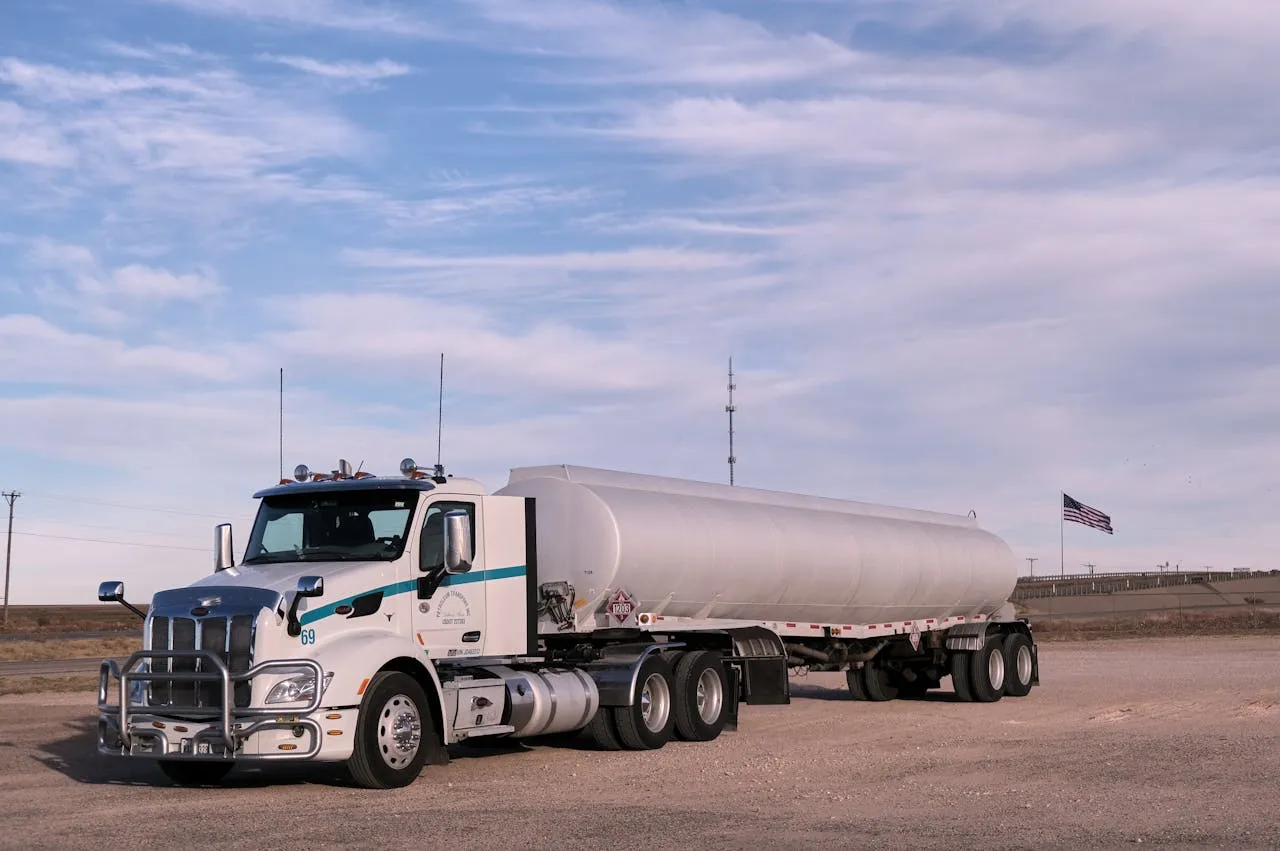
Hyundai Motor Company has announced a major milestone for its hydrogen-powered commercial vehicle program, revealing that its fleet of XCIENT Fuel Cell Class-8 heavy-duty trucks has collectively surpassed 20 million kilometers of driving across Europe. The achievement represents a significant step forward for hydrogen fuel cell electric vehicles (FCEVs) in real-world freight transportation and highlights their growing role as a viable alternative to conventional diesel-powered internal combustion engine (ICE) trucks.
Reaching the 20-million-kilometer mark required five years of continuous operation and the coordinated deployment of 165 XCIENT Fuel Cell trucks across multiple European countries, including Switzerland, Germany, France, the Netherlands, and Austria. This sustained performance across varied logistics environments demonstrates both the durability of hydrogen fuel cell technology and its potential to support the decarbonization of heavy-duty commercial transport—one of the most challenging sectors to electrify.
According to Hyundai Motor, the milestone reflects not only cumulative distance traveled but also measurable environmental impact. By replacing diesel trucks in logistics and distribution operations, hydrogen fuel cell trucks significantly reduce tailpipe carbon emissions, producing only water vapor as a by-product during operation. This makes FCEVs particularly attractive for regions with strict emissions regulations and ambitious climate-neutrality targets.
Chul Youn Park, Head of the Global Commercial Vehicle and Light Commercial Vehicle Business Division at Hyundai Motor Company, emphasized the broader significance of the achievement. He noted that Hyundai is actively working with global partners to deploy hydrogen fuel cell trucks across diverse commercial sectors, including logistics, distribution, and urban public services. Beginning with early operations in Switzerland, the company has steadily expanded its hydrogen truck presence throughout Europe while also making visible progress in North America. Park highlighted that Hyundai’s hydrogen commercial vehicles are demonstrating real-world value as advanced mobility solutions that help accelerate the development of a global hydrogen ecosystem.
Expansion Across Europe and Real-World Logistics Integration
Hyundai first introduced the XCIENT Fuel Cell truck to the European market in October 2020, launching initial operations in Switzerland. The country served as a proving ground for hydrogen-powered freight, supported by coordinated infrastructure development and strong collaboration between industry stakeholders.
By June 2024, the Swiss fleet alone had already accumulated 10 million kilometers of driving distance, validating the reliability of the technology in daily logistics operations. This early success laid the foundation for broader deployment across additional European markets and encouraged adoption in a wider variety of commercial applications.
Today, XCIENT Fuel Cell trucks are integrated into multiple logistics sectors throughout Europe:
- Switzerland: The trucks are widely used in food, beverage, and clothing distribution, supporting routine supply-chain operations with zero tailpipe emissions.
- Germany: Deployment includes supermarket logistics, textile transportation, and services for major fleet operators, demonstrating scalability in one of Europe’s largest freight markets.
- France: Hydrogen trucks support logistics for major retail chains and have also been adapted into specialized vehicle formats such as refuse collection trucks and crane trucks equipped with electric power take-off (ePTO) systems.
- Netherlands: A tarpaulin-style truck has been introduced for construction-materials distribution, highlighting flexibility across industrial supply chains.
- Austria: A refrigerated (reefer) configuration is operating within supermarket distribution networks, proving the technology’s suitability for temperature-controlled transport.
These diverse deployments illustrate that hydrogen fuel cell trucks are no longer limited to pilot programs. Instead, they are increasingly embedded in everyday commercial logistics, where reliability, uptime, and operational efficiency are critical.
Continuous Technological Advancement
Hyundai has paired fleet expansion with ongoing product innovation. In 2025, the company launched an updated version of the XCIENT Fuel Cell truck featuring an enhanced hydrogen fuel cell system designed to improve efficiency, durability, and overall performance.
The upgraded model builds on years of testing that began in 2021, during which Hyundai evaluated the vehicle under a wide range of environmental conditions and operational scenarios. Testing included extreme temperatures, long-distance freight routes, and demanding commercial duty cycles such as port transportation and medium-range distribution.
Close collaboration with fleet operators played a central role in refining the truck’s design. Feedback from real-world users helped Hyundai tailor vehicle performance to meet specific logistics requirements, ensuring that hydrogen trucks could seamlessly integrate into existing freight networks without compromising productivity.
This iterative development approach reflects Hyundai’s broader hydrogen strategy—combining technology maturation, infrastructure growth, and commercial deployment to accelerate adoption at scale.
North American Momentum and Expanding Global Footprint
While Europe has served as the primary launch region for XCIENT Fuel Cell trucks, Hyundai has also been rapidly expanding hydrogen truck operations in North America, further demonstrating confidence in the technology’s global potential.
Since their regional debut in 2023, a total of 63 XCIENT Fuel Cell trucks have been deployed across the United States and Canada. Together, these vehicles have accumulated approximately 1.6 million kilometers of driving, proving their ability to operate effectively in diverse logistics environments outside Europe.
Key North American initiatives include:
- California – NorCAL ZERO Project:
This initiative represents the largest hydrogen truck deployment in North America, with 30 XCIENT Fuel Cell trucks operating at the Ports of Oakland. The project focuses on reducing emissions in port drayage operations—an area traditionally dominated by diesel trucks and associated with significant air-quality impacts. - Georgia – HTWO Logistics at Hyundai Motor Group Metaplant America:
In Georgia, 21 hydrogen trucks support logistics operations connected to Hyundai’s major electric-vehicle manufacturing facility. Operated under the HTWO Logistics initiative in partnership with GLOVIS America, the deployment demonstrates how hydrogen mobility can integrate directly into automotive manufacturing supply chains. - British Columbia – BC Hydrogen Ports Project:
Canada’s British Columbia province is advancing hydrogen adoption in maritime and transportation sectors through this initiative, which includes XCIENT Fuel Cell trucks as part of a broader effort to build a regional hydrogen ecosystem.
These projects highlight Hyundai’s strategy of pairing vehicle deployment with ecosystem development, ensuring that hydrogen fueling infrastructure, policy support, and commercial demand evolve together.
Demonstrating Commercial Readiness of Hydrogen Freight
The cumulative performance of XCIENT Fuel Cell trucks across Europe and North America underscores a crucial point: hydrogen fuel cell technology is transitioning from experimental pilots to commercially viable heavy-duty transport solutions.
Heavy-duty trucking presents unique decarbonization challenges due to long driving ranges, heavy payloads, and demanding duty cycles. Battery-electric solutions can be effective in certain applications, but hydrogen fuel cells offer complementary advantages—particularly fast refueling times, long range, and consistent performance under heavy loads.
By surpassing 20 million kilometers in Europe alone, Hyundai’s fleet provides one of the most substantial real-world datasets for hydrogen trucking anywhere in the world. The data demonstrates:
- Reliable long-term durability of fuel cell systems
- Operational feasibility across multiple logistics sectors
- Compatibility with existing commercial freight workflows
- Meaningful emissions reduction potential
These factors collectively strengthen the business case for hydrogen in heavy transport.
Supporting the Global Hydrogen Energy Transition
Hyundai Motor views hydrogen not simply as a vehicle technology but as a cornerstone of a broader clean-energy transition. The company’s HTWO hydrogen brand encompasses fuel cell systems, infrastructure partnerships, and cross-industry collaboration aimed at accelerating hydrogen adoption worldwide.
Commercial vehicles are a central focus because they deliver high utilization rates and significant emissions-reduction impact. Each diesel truck replaced by a hydrogen fuel cell alternative contributes to cleaner air, lower greenhouse-gas emissions, and progress toward national and regional climate goals.
Governments across Europe and North America are increasingly supporting hydrogen mobility through incentives, infrastructure funding, and zero-emission regulations. Hyundai’s expanding XCIENT deployments position the company to benefit from—and help shape—this evolving policy landscape.
Source Link:https://www.hyundai.com/