
The Coalition for Epidemic Preparedness Innovations (CEPI) and Samsung Biologics have announced a strategic partnership aimed at strengthening global readiness for future epidemic and pandemic threats through enhanced vaccine manufacturing capacity and faster, more equitable access to lifesaving immunizations. The collaboration will bring Samsung Biologics—a leading contract development and manufacturing organization (CDMO) listed on the Korea Exchange—into CEPI’s Vaccine Manufacturing Facility Network (VMFN), a global initiative designed to ensure vaccines can be produced rapidly and distributed fairly when new infectious diseases emerge.
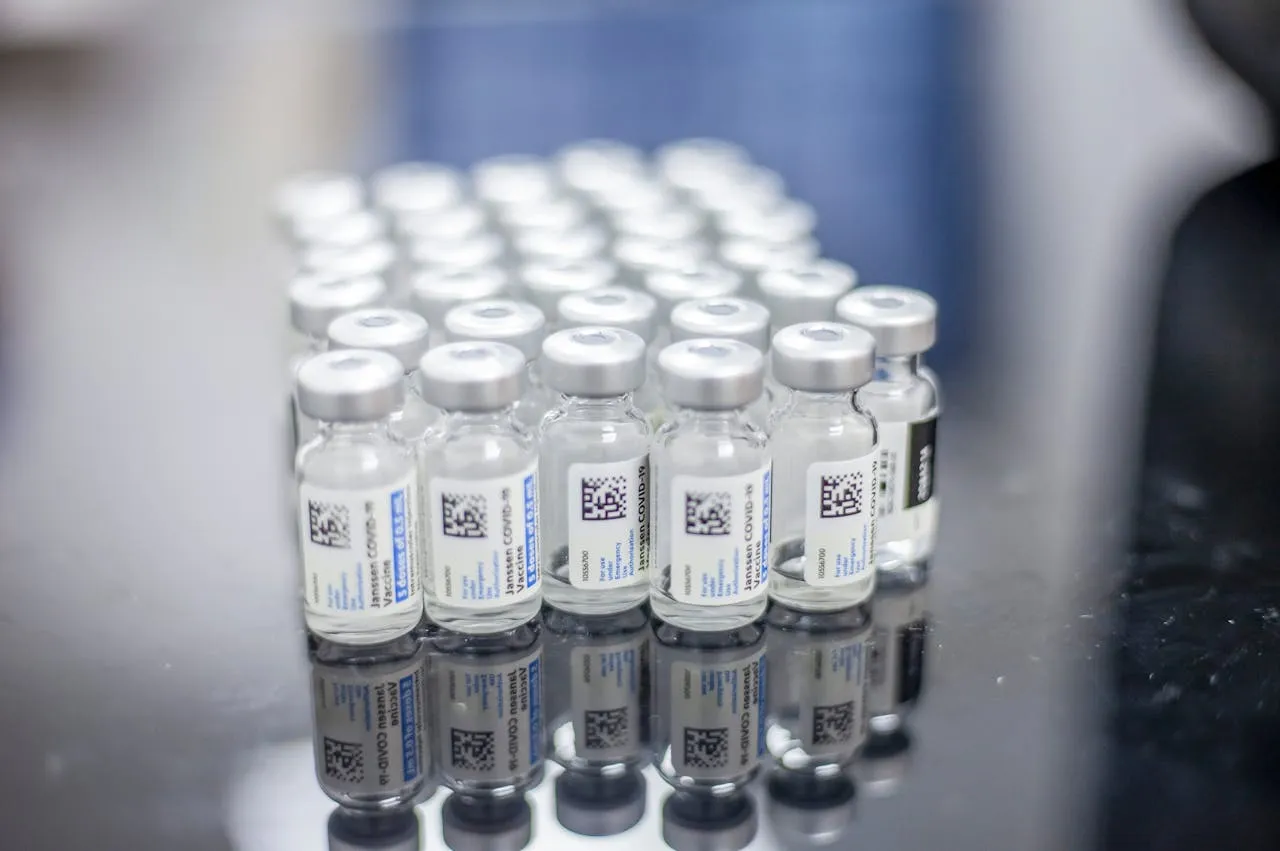
At its core, the agreement focuses on accelerating the production and availability of recombinant protein–based vaccines, a proven and widely used vaccine technology known for safety, scalability, and adaptability. By integrating Samsung Biologics’ advanced biomanufacturing infrastructure and technical expertise into CEPI’s coordinated preparedness framework, the partnership seeks to establish manufacturing pathways that can be activated quickly during outbreaks—helping reduce the time between pathogen discovery and vaccine deployment.
To support the initiative, CEPI has allocated an initial budget of up to $20 million. These funds will be used to work alongside Samsung Biologics in developing a scalable, rapid-response manufacturing process tailored specifically to recombinant protein vaccines. Central to this effort is Samsung Biologics’ mammalian cell–based production platform, a highly flexible and industry-standard system capable of producing complex biologic proteins efficiently and at very large volumes. Combined with the company’s established quality assurance procedures and regulatory compliance systems, this infrastructure provides a strong foundation for reliable, high-speed vaccine production during public-health emergencies.
The goal is to pre-position a fully validated manufacturing process that can be triggered as soon as a novel viral threat is identified. Rather than beginning development from scratch in the midst of a crisis, CEPI and Samsung Biologics aim to maintain readiness through advance planning, standardized workflows, and regulatory preparation. This proactive model reflects lessons learned from recent global health emergencies, where delays in manufacturing scale-up contributed to unequal vaccine access and prolonged outbreak impacts—particularly in low- and middle-income countries (LMICs).
As part of the collaboration, Samsung Biologics will also conduct a simulated outbreak response exercise using a wild-type H5 influenza virus as a prototype pathogen recommended by the World Health Organization. This end-to-end simulation will evaluate the company’s ability to move rapidly from antigen development through drug-substance production, formulation into final vaccine product, and readiness for supply. By stress-testing the full manufacturing workflow under realistic outbreak conditions, the exercise is expected to generate valuable insights into production speed, scalability, and operational resilience.
The simulation will additionally support preparation of a generic regulatory submission dossier—an important step toward accelerating approvals during real emergencies. Regulatory readiness is often a critical bottleneck in vaccine deployment, and establishing standardized documentation in advance can significantly reduce response timelines when urgent authorization is required. Through this preparedness-focused approach, CEPI and Samsung Biologics aim to transform vaccine manufacturing from a reactive process into a rapid, pre-engineered capability.
Membership in CEPI’s VMFN also carries important commitments related to global vaccine access. In the event of a future pandemic, Samsung Biologics has agreed to provide CEPI with guaranteed access to potentially up to 50 million finished vaccine doses, along with as much as one billion doses of drug substance that could be rapidly converted into final vaccine form. This reserved capacity is intended to ensure that vulnerable populations—particularly those in underserved LMIC regions—can receive timely protection during outbreaks, while also allowing Korea’s domestic vaccine needs to be met in alignment with CEPI’s Equitable Access Policy.
CEPI leadership emphasized the strategic importance of adding Samsung Biologics to the VMFN. Dr. Richard Hatchett, CEPI’s Chief Executive Officer, noted that Samsung Biologics’ scale and technical strength in recombinant protein manufacturing significantly enhance the network’s global outbreak-response infrastructure. Partnering with one of the world’s foremost protein-based vaccine manufacturers, he explained, will help accelerate the journey from identifying a pathogen’s genetic sequence to producing vaccines at scale—ultimately enabling faster delivery of protection to communities most at risk.
The collaboration directly supports CEPI’s ambitious 100 Days Mission, a global effort to compress vaccine development timelines so that safe and effective vaccines can be designed, manufactured, and prepared for deployment within 100 days of detecting a new pandemic-threat pathogen. Achieving this goal requires not only scientific innovation but also pre-arranged manufacturing capacity, regulatory preparedness, and geographically distributed production sites. By establishing end-to-end manufacturing pathways in advance, the CEPI–Samsung Biologics partnership contributes a critical building block toward realizing this accelerated response vision.
Geographic diversification is another key dimension of the agreement. With Samsung Biologics becoming the first East Asian partner in CEPI’s VMFN, the network expands its regional reach and strengthens supply resilience. Distributed manufacturing capacity across multiple continents reduces dependence on any single region, helping ensure vaccines remain accessible even when supply chains are disrupted by travel restrictions, export controls, or localized outbreaks. This global distribution model is widely regarded as essential for equitable pandemic response.
Samsung Biologics leadership framed the partnership as both a global health contribution and a strategic step in strengthening Korea’s own preparedness capabilities. President and CEO John Rim stated that the agreement reflects the company’s commitment to building a reliable and agile vaccine supply ecosystem through innovation and collaboration. By advancing recombinant protein vaccine development and ensuring scalable production capacity during periods of urgent demand, Samsung Biologics aims to broaden global access to high-quality vaccines while reinforcing national readiness for public-health emergencies.
Beyond the initial scope, the partnership opens the door to additional collaborative projects. Future initiatives may focus on vaccine technology transfer to emerging manufacturing regions, enhanced regulatory preparedness frameworks, and continued innovation in vaccine platforms and production methods. Samsung Biologics’ large-scale Good Manufacturing Practice (GMP) capabilities position the company as a dependable production partner capable of supporting rapid global response when new epidemics or pandemics arise.
The agreement also reflects broader shifts in how the international community approaches health security. Rather than relying solely on reactive emergency measures, organizations like CEPI are investing in permanent preparedness infrastructure—integrating research, manufacturing, financing, and policy into coordinated global systems. Public-private partnerships with major biopharmaceutical manufacturers are central to this model, enabling scientific breakthroughs to translate quickly into real-world protection.
Samsung Biologics now joins a growing roster of VMFN partners spanning Brazil, India, Indonesia, South Africa, and Senegal. Together, these facilities form the foundation of a globally distributed vaccine manufacturing ecosystem capable of producing large volumes of vaccines rapidly and delivering them where they are needed most. The inclusion of diverse geographic regions helps address historic inequities in vaccine access, where lower-income countries often faced significant delays in receiving critical medical countermeasures.
Ultimately, the CEPI–Samsung Biologics collaboration represents more than a single manufacturing agreement—it signals continued progress toward a future in which the world can respond to emerging infectious diseases with unprecedented speed, coordination, and fairness. By combining CEPI’s global preparedness mission with Samsung Biologics’ advanced production capabilities, the partnership strengthens the infrastructure required to protect populations everywhere from the next major health threat.
As global health leaders continue working to prevent the devastating consequences of future pandemics, initiatives like this underscore the importance of readiness long before a crisis begins. Through proactive investment, technological innovation, and shared commitment to equitable access, CEPI and Samsung Biologics are helping lay the groundwork for a faster, more resilient, and more inclusive global vaccine response system—one designed not only to confront the next outbreak, but to safeguard health security for generations to come.
Source Link:https://samsungbiologics.com/